Rose: The Queen of Flowers
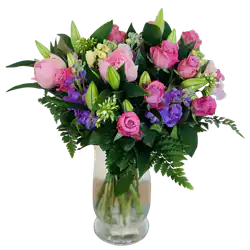
The rose is widely regarded as the world’s most iconic and beloved garden flower, earning its long-standing title as the Queen of Flowers. Botanically classified under the genus Rosa, roses are woody perennial flowering plants belonging to the family Rosaceae. With more than 300 naturally occurring species and tens of thousands of cultivated varieties, roses represent one of the most diverse and extensively hybridized plant groups in horticultural history.
Why is the rose called the queen of flowers?
The rose is called the queen of flowers because of its special beauty, rich fragrance, and long history as a symbol of love and emotion. People in many cultures have admired roses for thousands of years and used them in stories, religion, and art as the most royal and elegant flower.
Main reasons
- Roses have layered, velvety petals and many colors, so they look more rich and “royal” than many simple flowers.
- Their strong, sweet scent is used in perfumes, oils, and cosmetics, which makes the rose feel luxurious and precious.
- In many legends and old stories, the rose is linked with goddesses of love and beauty, so it became a symbol of love, passion, and purity.
- Roses have been used in ceremonies, crowns, gardens, and national symbols, which adds to their “queen” status among flowers.
Simple: The rose is called the queen of flowers because it has a beautiful, full shape, a strong sweet fragrance, many colors, and a deep history as a symbol of love and beauty in different cultures. People have used roses in myths, religion, art, and special ceremonies for centuries, so it is seen as the most elegant and royal of all flowers.
The Botanical Characteristics of Roses
Roses exhibit remarkable diversity in growth habit, ranging from compact dwarf shrubs to vigorous climbers capable of reaching heights of up to seven metres. They may grow as erect shrubs, trailing ground covers, ramblers, or climbers trained over structures.
Leaves and Stems
- Leaves: Typically alternate, pinnate, and measuring 5–15 cm in length. Most consist of 5–9 serrated leaflets. The majority of roses are deciduous, though certain Southeast Asian species are evergreen.
- Stems and Prickles: Rose stems are armed with sharp outgrowths called prickles (outgrowths of the epidermis), often mistakenly called thorns (modified stems).
- Sickle-shaped prickles help climbing roses attach to support.
- Densely packed, straight prickles (e.g., in Rosa rugosa) may deter grazing animals.
- Prickle formation is genetically regulated by the LOG gene.
The Rose Flower and Fruit
Rose flowers are typically large, showy, and appear in an extensive palette of colours, from white and pink to red, yellow, and purple.
| Flower Component | Description |
| Petals | Most wild roses have five petals; exceptions like Rosa sericea commonly have four. |
| Sepals | Five (or four) sepals are located beneath the petals. |
| Stamens | Numerous stamens facilitate insect pollination. |
After insect pollination, the ovary develops into a rose hip—a berry-like aggregate fruit. These hips contain the seeds (achenes) and are often valued for their nutritional content.
Key Fact: Rose hips of Rosa canina (dog rose) and Rosa rugosa are particularly valued for their exceptionally high Vitamin C content.
Scientific Classification
The genus Rosa is divided into four major subgenera:
- Hulthemia: Southwest Asian species lacking compound leaves.
- Hesperrhodos: North American species.
- Platyrhodon: A single East Asian species.
- Rosa: The primary subgenus, containing the majority of species and cultivated forms.
Historical Development and Hybridisation
Roses have been cultivated for ornamental purposes for over 2,500 years, with early records dating to 500 BC. The course of rose breeding was dramatically altered in the 18th and 19th centuries with the introduction of repeat-flowering Chinese roses (Rosa chinensis and Rosa gigantea) to Europe.
Old Garden Roses vs. Modern Roses
The year 1867 marks the dividing line, when the first hybrid tea rose, ‘La France’, was introduced.
| Feature | Old Garden Roses (Pre-1867) | Modern Roses (Post-1867) |
| Blooming | Typically bloom once per year. | Repeat flowering (spring to autumn). |
| Fragrance | Highly fragrant. | Often reduced fragrance (prioritising longevity). |
| Disease | Generally more disease-resistant. | Often less disease-resistant. |
| Commercial Use | Limited due to shorter vase life. | Larger blooms, extended vase life. |
Classification of Cultivated Roses
Cultivated roses are grouped by growth habit and parentage:
- Hybrid Teas: The most common class; long stems and large, single blooms, making them ideal cut flowers.
- Floribundas: Compact plants with an abundance of clustered blooms.
- Grandifloras: Tall growers that feature large flowers in clusters.
- Polyanthas: Hardy, dwarf plants with repeated, small-clustered blooms.
- Miniatures: Small-scale versions of full-sized roses.
- Climbers & Ramblers: Varieties suited for growing vertically on structures.
Essential Cultivation and Care
Rose cultivation requires attention to the environment, soil, and key maintenance practices like pruning.
Climate and Soil Requirements
- Light: Roses thrive in full sun, requiring 6–8 hours of quality sunlight daily.
- Temperature: Ideal range is 15–28°C, with moderately high humidity.
- Soil: The best soil is deep, well-drained sandy loam, rich in organic matter, with a pH of 5.5–6.5.
Water, Nutrition, and Weed Control
- Water Management: Regular irrigation is crucial, but avoid over-watering, particularly during the flowering season. Drip irrigation is highly recommended.
- Nutrition: Roses require a balanced application of nitrogen, phosphorus, and potassium, strategically applied after pruning.
- Weeding: Organic mulching (a 2- to 4-inch layer) is effective for weed control, moisture conservation, and soil health.
Pruning: The Most Important Task
Pruning is essential for maintaining a shapely plant, encouraging vigour, and ensuring abundant flower production. It is best performed while roses are dormant, typically in January–February.
| Practice | Purpose |
| Pruning | Creates structure, removes old wood, and encourages fresh, bloom-producing growth. |
| Pinching | Removal of the terminal tip to promote lateral branching. |
| Disbudding | Removing side buds to increase the size of the remaining central flower (common for Hybrid Teas). |
Pro-Tip: All pruned foliage must be carefully removed from the garden and disposed of—never composted—to eliminate disease spores.
Sustainable Rose Gardening and Pest Management
Sustainable rose cultivation prioritises prevention and tolerance over chemical intervention. Choosing disease-tolerant varieties suited to your local climate is the single most critical aspect.
Common Diseases and Disorders
| Category | Condition | Key Symptom/Cause |
| Fungal | Black Spot, Powdery Mildew, Rust | Most common; Black Spot causes severe defoliation in warm, wet weather. |
| Bacterial | Crown Gall | Causes galls (tumors) on stems/roots; spread by contaminated pruning shears. |
| Viral | Rose Rosette Disease (RRD) | Lethal viral disease; symptoms include hyper-thorniness and “witch’s broom” shoots. Spread by eriophyid mites; prompt removal of infected plants is essential. |
| Physiological | Balling, Bent Neck | Balling occurs when wet outer petals stick together, preventing the bud from opening. |
The Diverse Uses and Cultural Significance of Roses
The rose’s value extends far beyond its ornamental use, playing key roles in commerce, cuisine, and global culture.
Commercial and Culinary Uses
- Cut Flower Production: Roses are a massive global commodity, harvested in bud and shipped worldwide.
- Perfumery: Rose oil (attar of roses) is produced via steam distillation of petals, requiring thousands of flowers per gram of oil.
- Cuisine: Used in rose water, gulkand (a sweet preserve), jams, teas, and syrups. Rose water is a distinctive flavour in Middle Eastern and South Asian sweets like Turkish delight.
Cultural and Symbolic Importance
The rose is a profound symbol of love, purity, power, and mortality.
- Ancient Mythology: Sacred to both Aphrodite (Greek) and Venus (Roman), symbolising the connection between beauty and pain (thorns).
- Historical Politics: It served as the central emblem during the Wars of the Roses in England, leading to the creation of the unifying Tudor Rose after the conflict.
- National Symbol: The rose was established as the official floral emblem of the United States in 1986.
A Living Heirloom
To fully appreciate the rose is to recognise it as a living heirloom—a plant refined through centuries of natural evolution and human craftsmanship. Its survival depends on thoughtful care, just as its beauty reflects a unique balance of science, history, and symbolism. When properly cultivated, the rose rewards the gardener not only with breathtaking flowers but with a tangible connection to one of humanity’s oldest botanical companions.

Mohammad Qahef
Tags
What do you think?
Related Articles
What is the best flower delivery company in the UK?
Flowers can make any occasion memorable. They show care, love, or sympathy without words. Finding the best flower delivery company in the UK is not
Rainbow Tulip Bouquet – A Vibrant Gift for Every Special Occasion (Next Day UK Delivery Available)
Looking for the perfect way to brighten someone’s day? Our Rainbow Tulip Bouquet is a stunning and joyful arrangement that makes an unforgettable gift for
Purple and White Flower Bouquet – A Timeless Gift for Every Occasion Next-Day UK Delivery
Looking for a meaningful gift that speaks volumes without saying a word? Our Purple and White Flower Bouquet is a stunning arrangement that combines elegance,