Old POST
A tulip is a bulbous spring‑flowering plant in the genus Tulipa (family Liliaceae), cultivated worldwide for its brightly coloured, cup‑shaped flowers and major role in ornamental horticulture. Tulips have also played an important historical and economic role, most famously in 17th‑century “tulip mania” in the Netherlands and in shaping modern bulb production and export.
Botanical overview
Tulips are herbaceous perennials that grow from underground bulbs, producing leaves and a flowering stem each spring before going dormant in summer. The plants typically reach 10–70 cm in height, depending on species and cultivar, and are adapted to cold winter climates that provide the chilling needed for proper flowering.
- Morphology: A tulip bulb is a compact storage organ composed of a basal plate, fleshy scales (modified leaves), and a protective tunic. From this bulb arise strap‑like leaves and a hollow, erect stem bearing a single terminal flower in most species.
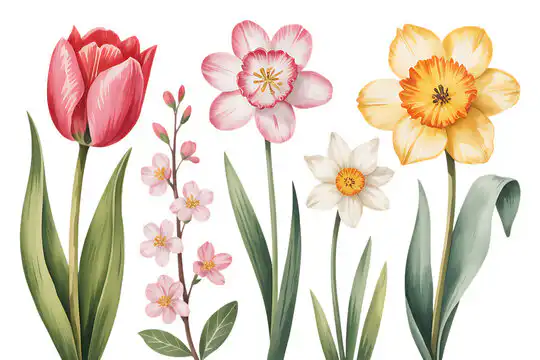
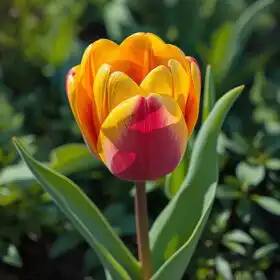
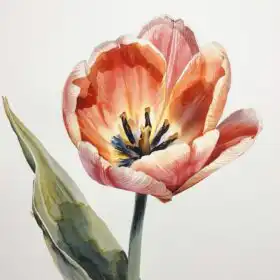
- Flower structure: Tulip flowers usually have six petal‑like tepals arranged in two whorls, six stamens, and a central three‑lobed stigma on a superior ovary. Tepals display a wide colour range (white, yellow, pink, red, purple, near‑black, bi‑colours, and flamed patterns), often with contrasting basal markings.
Taxonomy and diversity
Tulips belong to the monocot family Liliaceae and the genus Tulipa, which includes dozens of wild species native mainly to Eurasia. Botanical and horticultural classifications distinguish wild species from the large number of horticultural hybrids used in gardens and the cut‑flower trade.
- Native range: Wild tulip species occur from Southern Europe through North Africa and the Middle East to Central Asia and western China, with centres of diversity in regions such as Turkey and the Central Asian steppes. Many of these species inhabit rocky slopes and steppe environments with cold winters and dry summers.
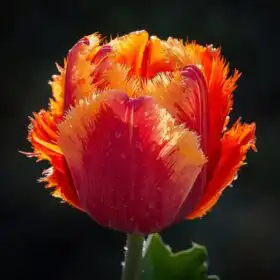
- Horticultural groups: Garden tulips are often divided into classes (e.g., Single Early, Double Early, Triumph, Darwin Hybrid, Lily‑flowered, Fringed, Parrot) based on flower form, height, and blooming season. These classes help growers coordinate displays and commercial production.
Ecology and life cycle
The tulip life cycle is closely tied to seasonal climate patterns in temperate regions. Bulbs survive underground during summer and winter, with visible growth concentrated in early spring.
- Growth cycle: After autumn planting, roots develop in cool soil, followed by leaf and stem growth as temperatures rise in late winter and early spring. Flowers open in spring, then seeds may develop in capsules while foliage dies back, allowing the bulb to store energy before dormancy.
- Pollination and reproduction: Tulips are mainly insect‑pollinated, attracting bees and other early pollinators with nectar and bright colours. While sexual reproduction by seed maintains genetic diversity in wild species, cultivated tulips are usually propagated vegetatively via bulb offsets to preserve clonal traits.
Cultivation and horticulture
Tulips are key plants in spring borders, mass displays, containers, and cut‑flower production. Successful cultivation depends on appropriate climate, soil, planting depth, and post‑flowering care.
- Growing conditions: Tulips typically prefer full sun and well‑drained, moderately fertile soil, with autumn planting at a depth roughly two to three times the height of the bulb. Cool winters are important for floral induction, and excessively wet or warm conditions can reduce bloom quality or lead to bulb decay.
- Garden use: In landscapes, tulips are often planted in drifts or blocks for strong colour impact and combined with other spring bulbs and perennials. Many gardeners treat certain large‑flowered hybrids as short‑lived and replant annually, while smaller species tulips can naturalize and return reliably year after year.
Pests, diseases, and disorders
Tulips can be affected by fungal, viral, and animal pests that reduce flowering and bulb health. Historically, disease interactions have had unexpected aesthetic and economic consequences.
- Diseases: Fungal diseases, including Botrytis (tulip fire), can cause leaf and flower spotting, distortion, and rot, especially in cool, wet conditions. Tulip breaking virus famously causes variegated “flamed” colour patterns in petals but weakens plants over time; modern striped tulips are bred for patterns without relying on this virus.
- Animal pests: Bulbs and emerging shoots may be eaten by rodents such as voles, as well as deer and other herbivores. Cultural practices, physical barriers, and site selection are common strategies to reduce damage.
Historical and cultural significance
Tulips hold strong cultural associations in regions such as the Ottoman Empire and the Netherlands. They have come to symbolize beauty, spring, and transience in many artistic and literary traditions.
- Ottoman and Persian heritage: Tulips were highly prized in Ottoman gardens and court culture, appearing in textiles, ceramics, and poetry as stylized motifs associated with refinement and spiritual themes. Select forms were carefully collected and exchanged among elites.
- Tulip mania and Dutch legacy: Introduced to Western Europe in the 16th century, tulips became fashionable luxury plants, culminating in the speculative “tulip mania” in 17th‑century Holland, where prices for rare bulbs reportedly reached extreme levels before collapsing. The Netherlands later developed into a major global centre for bulb breeding, production, and export, a role it still maintains.
Economic importance
Tulips are a cornerstone of the ornamental bulb industry, especially in Europe. Their economic significance spans commercial forcing for cut flowers, mass bulb production, tourism, and branding.
- Bulb and cut‑flower trade: Large‑scale bulb fields supply both gardeners and professional growers, with bulbs shipped worldwide for autumn planting and winter forcing. Forcing techniques manipulate temperature and light to bring tulips into bloom outside their natural season for holidays and events.
- Tourism and cultural economy: Iconic tulip displays and festivals in places like the Netherlands attract international visitors and promote regional identities linked to bulb agriculture. Tulip imagery is also used extensively in marketing, textiles, and decorative arts.
Why Is the Tulip the Last Word in Elegance?
The Thrilling History of the Tulip! From Ottoman Palaces to European Wars
One Flower, A Thousand Faces: Choose the Best Tulip for Your Collection!

The Language of Colour: Know the Secret Meaning of Tulips Before Gifting Them to Someone You Love!







Tulips Will Bloom in Your Own Garden: An Easy Guide to Growing Them at Home
Florists' Secret Tips: How to Extend the Life of Your Tulips


What is the best flower delivery company in the UK?
Flowers can make any occasion memorable. They show care, love, or sympathy without words. Finding the best flower delivery company in the UK is not
Rainbow Tulip Bouquet – A Vibrant Gift for Every Special Occasion (Next Day UK Delivery Available)
Looking for the perfect way to brighten someone’s day? Our Rainbow Tulip Bouquet is a stunning and joyful arrangement that makes an unforgettable gift for
Purple and White Flower Bouquet – A Timeless Gift for Every Occasion Next-Day UK Delivery
Looking for a meaningful gift that speaks volumes without saying a word? Our Purple and White Flower Bouquet is a stunning arrangement that combines elegance,