A carnation is a herbaceous perennial flowering plant, Dianthus caryophyllus, in the pink family (Caryophyllaceae), widely grown for its ruffled, fragrant blooms and extensive use in floristry. It is native to the Mediterranean region but is now cultivated globally for cut flowers, garden use, and even culinary and symbolic purposes.
Botanical overview
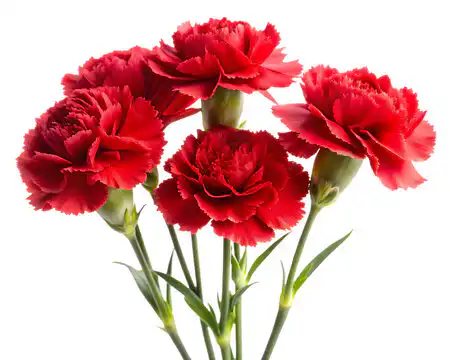
Carnations typically grow 30–80 cm tall on erect, branched stems bearing narrow, grey‑green to blue‑green leaves. Flowers are usually 3–5 cm across, with layered, fringed petals that create the characteristic “ruffled” look.
- Natural form and colours: The wild form has bright pinkish‑purple flowers, but breeding has produced red, white, yellow, green, and bi‑colour types. True blue does not occur naturally in carnations, so “blue” blooms are usually dyed.
- Scent: Carnations have a sweet, spicy fragrance often compared to clove, cinnamon, or nutmeg, which is especially pronounced in traditional varieties.
Taxonomy and types
Dianthus caryophyllus belongs to the genus Dianthus, which includes pinks and sweet williams. Within cultivated carnations, growers distinguish several commercial types based on flower size and branching.
- Main commercial forms: Standard (one large bloom per stem), spray (multiple smaller blooms on branching stems), and dwarf or mini carnations with many small flowers.
- Garden groups: Horticultural references often separate border or garden carnations, which are shorter and more cold‑hardy, from perpetual‑flowering carnations grown under glass for continuous cut‑flower production.
Cultivation and care
Carnations prefer cool, sunny conditions and well‑drained soils, which makes them excellent cut‑flower crops and border plants in temperate climates.
- Growing conditions: They perform best in full sun with neutral to slightly alkaline, gritty, organic‑rich soil and dislike high heat and waterlogging. Deadheading and pinching promote bushiness and prolonged flowering.
- Problems: Carnations can be susceptible to rust, crown rot, and some insect pests, especially under humid or poorly drained conditions. They are generally resistant to deer and rabbits and can attract bees, butterflies, and moths.
Uses and products
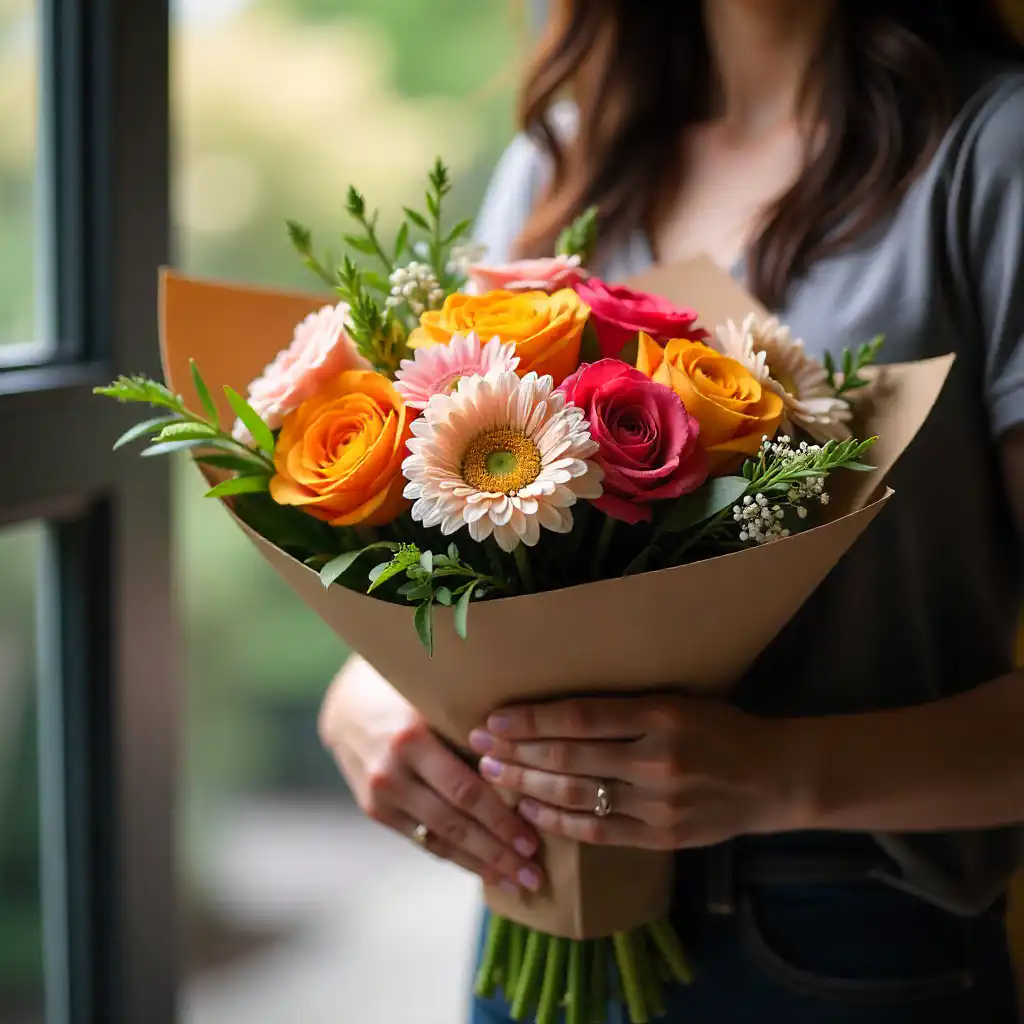
Carnations are among the classic cut flowers for bouquets, boutonnieres, funeral pieces, and mixed arrangements because of their longevity and wide colour range. They also have minor culinary and traditional medicinal applications.
- Floristry: Long, sturdy stems and long‑lasting blooms (often weeks in a vase) make them staples for commercial florists. Petals are sometimes used as edible garnishes and can be candied or infused in drinks and syrups.
- Traditional uses: Historically, carnation fragrance has flavoured vinegars, wines, beers, sauces, and salads, and extracts have been used in folk remedies for digestive upsets and fever.
Symbolism and cultural significance
Carnations carry different meanings depending on colour and cultural context, and they appear in many national and social traditions.
- General symbolism: They commonly symbolize love, admiration, and distinction, with red linked to deep affection, pink to gratitude, and white to purity or remembrance. In some countries, carnations are associated with workers’ movements and national celebrations.
- Modern trends: Once seen as “traditional,” carnations are experiencing a resurgence thanks to new varieties, fashion‑forward colours, and their sustainability advantage as long‑lasting cut flowers.

What is the best flower delivery company in the UK?
Flowers can make any occasion memorable. They show care, love, or sympathy without words. Finding the best flower delivery company in the UK is not
Rainbow Tulip Bouquet – A Vibrant Gift for Every Special Occasion (Next Day UK Delivery Available)
Looking for the perfect way to brighten someone’s day? Our Rainbow Tulip Bouquet is a stunning and joyful arrangement that makes an unforgettable gift for
Purple and White Flower Bouquet – A Timeless Gift for Every Occasion Next-Day UK Delivery
Looking for a meaningful gift that speaks volumes without saying a word? Our Purple and White Flower Bouquet is a stunning arrangement that combines elegance,