A chrysanthemum is a herbaceous perennial in the genus Chrysanthemum (family Asteraceae), best known as a “mum” and widely grown for its late‑season, daisy‑ or pompon‑like blooms. It is one of the world’s most important ornamental flowers, especially valued for autumn colour in gardens and for long‑lasting cut stems.
Botanical overview
Chrysanthemums are usually clump‑forming plants or subshrubs, 30–150 cm tall, with branching, often woody bases and leafy stems. Leaves are alternate, aromatic, and deeply lobed or serrated, typically 2–4 cm long and soft‑textured.
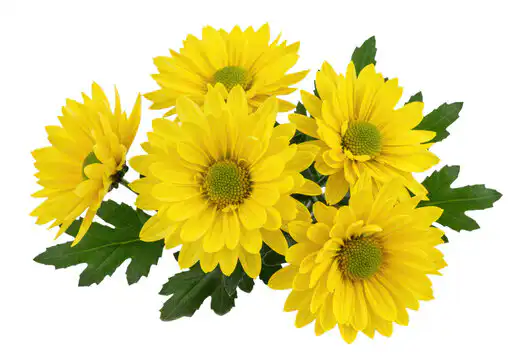
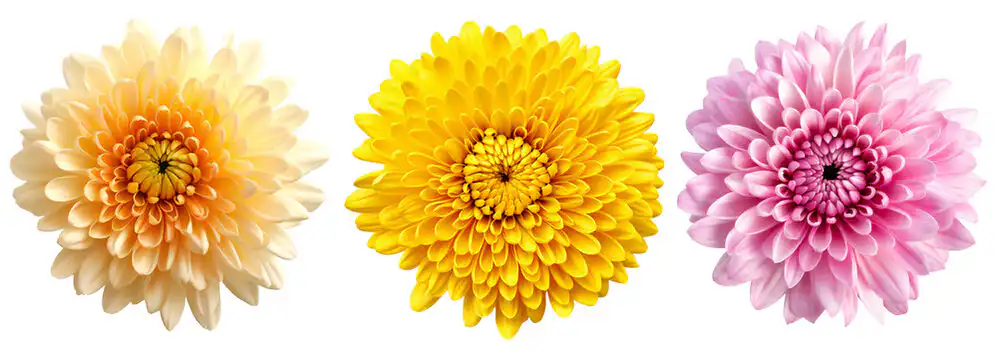
- Flower heads: Each “flower” is actually a composite head made of many tiny florets, with showy ray florets around a central disc of tubular florets. Colours range from white, yellow, and green to pink, bronze, red, and deep burgundy, with a wide variety of shapes and sizes by cultivar.
- Bloom season: Most garden chrysanthemums flower from late summer into autumn, providing colour when many other ornamentals have finished.
Taxonomy and main types
The genus Chrysanthemum contains around 40 species native mainly to temperate and subtropical regions of the Old World, especially East Asia. Modern garden mums are mostly complex hybrids derived from East Asian species such as C. indicum and related taxa.
- Hardy vs exhibition: Garden‑hardy mums are bred to overwinter outside and flower freely with minimal support, while exhibition mums have very large, show‑quality blooms and often need staking and protected cultivation.
- Bloom forms: National societies recognize multiple classes including single, decorative, reflex, incurve, pompon, anemone, spoon, quill, spider, and brush/thistle, each defined by floret shape and how the head is filled.
Cultivation and garden use
Chrysanthemums thrive in sunny, sheltered sites with fertile, well‑drained soil and regular moisture. They work well in borders, containers, and seasonal displays, especially for late‑season colour with grasses, asters, and sedums.
- Cultural needs: Plants prefer full sun or light shade, dislike waterlogged ground, and benefit from regular feeding and deadheading to prolong flowering. In colder climates, mulching or lifting and overwintering selected cultivars is recommended to protect crowns from frost.
- Growth control: Pinching back shoots in early summer encourages bushier plants and more, smaller flower heads, which is standard practice for garden‑hardy mums and pot mums.
Uses, fragrance, and edibility
Chrysanthemums are major cut‑flower crops and pot plants worldwide, and some species are used for tea and culinary purposes.
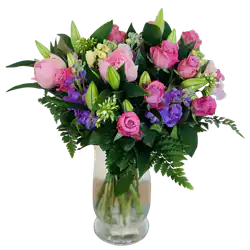
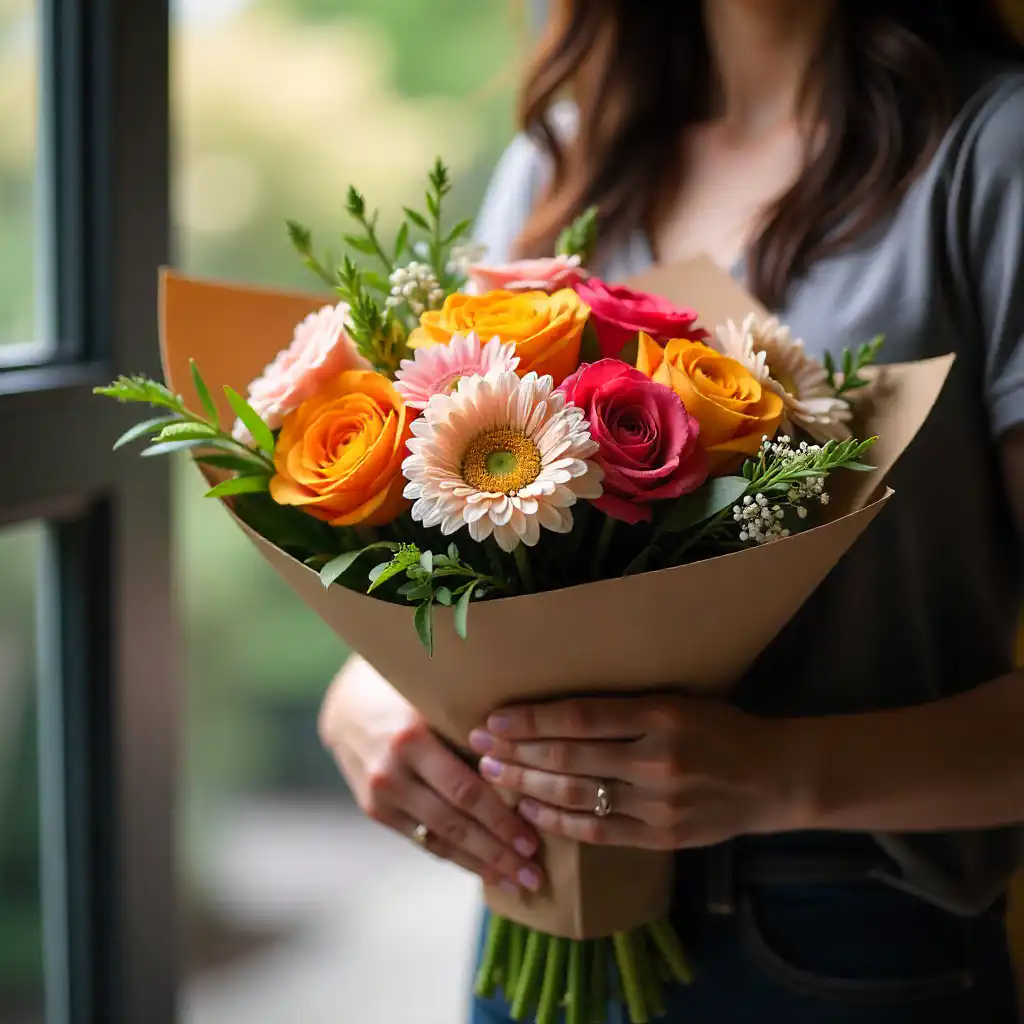
- Floristry: Mums are popular in bouquets and arrangements because of their durability, wide colour range, and numerous flower forms suitable for focal and filler use. Their flowers can last several weeks in water if conditioned and kept cool.
- Edible types: Certain species (often marketed as chrysanthemum greens or flowers) are used in East Asian cuisine and herbal teas; flavour is typically slightly bitter, floral, and sometimes peppery. Only identified edible types should be used, as not all ornamental cultivars are intended for consumption.
Symbolism and cultural significance
Chrysanthemums carry strong but contrasting symbolic meanings across cultures. They feature prominently in festivals, national symbols, and flower‑language traditions.
- East Asia: In China and Japan, chrysanthemums are associated with longevity, nobility, and autumn, appearing in art, poetry, and imperial iconography (for example, the chrysanthemum seal of the Japanese emperor). Chrysanthemum festivals celebrate the bloom season with elaborate displays and trained forms.
- Europe and Americas: In many European countries, chrysanthemums—especially white—are strongly linked with remembrance and funerals, while elsewhere they can symbolize joy, friendship, and cheerfulness depending on colour. Their versatility makes them common in both celebratory and memorial floral designs.

What is the best flower delivery company in the UK?
Flowers can make any occasion memorable. They show care, love, or sympathy without words. Finding the best flower delivery company in the UK is not
Rainbow Tulip Bouquet – A Vibrant Gift for Every Special Occasion (Next Day UK Delivery Available)
Looking for the perfect way to brighten someone’s day? Our Rainbow Tulip Bouquet is a stunning and joyful arrangement that makes an unforgettable gift for
Purple and White Flower Bouquet – A Timeless Gift for Every Occasion Next-Day UK Delivery
Looking for a meaningful gift that speaks volumes without saying a word? Our Purple and White Flower Bouquet is a stunning arrangement that combines elegance,