An anemone (Anemone spp., primarily A. coronaria and A. hupehensis) is a herbaceous perennial or tuberous plant in the Ranunculaceae family, native to temperate regions of Europe, Asia, and North America, characterized by its delicate, poppy-like flowers with petaloid sepals borne singly or in clusters above divided basal foliage. These windflowers, often 1–3 inches across on stems 6–36 inches tall, feature 4–27 colored sepals in shades of white, blue, pink, red, purple, or yellow with prominent central discs, symbolizing anticipation and fragility in gardens and floristry.
Botanical Characteristics
Anemones produce basal leaves on long petioles that are simple or compound, lobed, parted, or toothed, often prostrate or upright, with flowers emerging in cymes, umbels, or solitary atop leafless stems above bract-like collars. Sepals serve as showy “petals,” surrounding numerous stamens and a cluster of one-ovuled pistils that mature into beaked achenes, sometimes plumed; nyctinastic (day-opening, night-closing) behavior spaces blooms from collars over time.
- Floral diversity: Single poppy anemones (A. coronaria), double forms with petaloid stamens, Japanese anemones (late-season clusters); no true petals, but nectar-rich for pollinators.
- Growth habit: Rhizomatous, tuberous, or fibrous-rooted; clumping, slow-growing, fine-textured; dormant in summer for tuberous types.
Taxonomy and Classification
The genus Anemone encompasses over 120 species in Ranunculaceae, divided by rootstock: tuberous (e.g., A. coronaria, De Caen/Monarch groups), rhizomatous (wood anemones like A. nemorosa), and fibrous (Japanese A. hupehensis var. japonica). Hybrids offer season-long color from spring (A. blanda) to fall (A. x hybrida).
Cultivation Practices
Anemones thrive in full sun to light shade, moist but well-drained, humus-rich soil (pH acidic to neutral), with tuberous types planted claws-up in fall/spring (pre-soak), 1–2 inches deep, zones 7–10 (lift in colder areas). Fibrous types hardy to zone 4; succession planting extends bloom.
- Maintenance: Mulch for moisture, divide rhizomes every 3–5 years; deer/rabbit resistant but toxic (contact dermatitis); pests include slugs, leaf miners—use barriers/fungicides for powdery mildew.
- Forcing: Greenhouse production for early cuts; ethylene-sensitive.
Floristry and Economic Uses
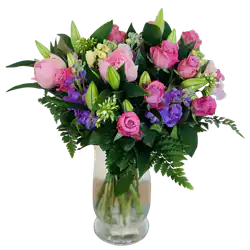
Cut anemones (vase life 5–10 days, cut at collar stage) excel in bouquets for contrast, with strong stems and bold centers; Netherlands/Italy lead tuberous production. Woodland natives naturalize under trees; all parts poisonous to humans/pets.
Cultural and Symbolic Significance
Greek myth links anemones to Adonis’s blood (red forms) or wind spirits (name from anemos); wood anemones herald spring in ancient woodlands, while poppy anemones evoke Mediterranean heritage. Modern use in bridal/wildflower designs emphasizes resilience and expectation.