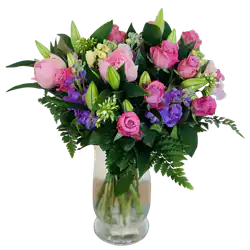
An aster refers to plants in the genus Aster (family Asteraceae), primarily Eurasian perennials now reclassified with many North American species moved to Symphyotrichum or Eurybia, featuring daisy-like flower heads with ray and disc florets that bloom in late summer to autumn. These clump-forming herbaceous perennials, 15–240 cm tall depending on species, provide vital late-season nectar for pollinators and are prized for borders, wildflower meadows, and cut flowers in shades of white, pink, blue, purple, and yellow.
Botanical Characteristics
Astera produce erect to mounding stems from basal rosettes, bearing alternate, simple leaves that are linear to lanceolate or spatulate, often rough or hairy, 2–10 cm long with entire, crenate, or serrate margins. Flower heads (capitula) are 1–5 cm across, typically radiate with 20+ white-to-purple ray florets surrounding yellow-to-reddish disc florets; fruits are achenes topped with white or brown pappus for wind dispersal.
- Floral traits: Disc florets mature from yellow to purplish; rays vary 7–20+ per head; bloom late summer to fall, attracting bees and butterflies.
- Growth habit: Medium-textured, multi-stemmed; ascending/erect form; medium growth rate.
Taxonomy and Classification
The genus Aster now holds ~170–186 Eurasian species, excluding many former North American “asters” reclassified via DNA/morphology studies (e.g., New England aster as Symphyotrichum novae-angliae). Key groups include alpine asters (A. alpinus, early-blooming dwarfs), summer asters (A. pyrenaeus), and China asters (Callistephus chinensis, annual).
Cultivation Practices
Astera thrive in full sun to light shade, moist-to-occasionally-dry, well-drained soils (pH neutral-alkaline), zones 4–8; propagate by division, seed, or cuttings. Low maintenance; deer/rabbit may browse but plants support wildlife.
- Care: Divide every 3 years; deadhead for rebloom; tolerant of coastal/mountain/piedmont conditions.
- Challenges: Few pests; good drainage prevents rot.
Floristry and Economic Uses
Cut flowers for autumn arrangements (vase life moderate); attract pollinators; used in wildlife seed mixes.
Cultural and Symbolic Significance
“Star” (Greek aster) evokes autumn colour; hardy, bee-friendly perennials for naturalistic gardens.