Amaryllis commonly refers to large-bulbed plants of the genus Hippeastrum (family Amaryllidaceae), tender herbaceous perennials native to tropical and subtropical South America, grown indoors or in mild climates for their spectacular, trumpet-shaped flowers emerging directly from bulbs. The true Amaryllis belladonna (belladonna lily, from South Africa) is a related but distinct species with fragrant pink blooms; horticultural “amaryllis” are Hippeastrum hybrids prized for holiday forcing, vivid colors (red, white, pink, salmon, bicolors), and symbolism of splendid beauty and determination.
Botanical Characteristics
Hippeastrum bulbs are large (5–12 cm diameter), tunicated, and produce 4–6 strap-like, semi-erect leaves (30–60 cm long) post-bloom alongside hollow, leafless scapes (30–90 cm tall) bearing umbels of 2–6 flowers. Each flower spans 10–20 cm with six equal, broad tepals (undifferentiated petals/sepals) forming a star or trumpet, six stamens with prominent anthers, and a style; inferior ovary yields capsules with winged black seeds.
- Floral traits: Tepals often flare outward with slight reflex; double forms mimic roses; faintly fragrant in some hybrids.
- Growth habit: Clumping from offsets; evergreen leaves in warm zones; toxic (contains lycorine).
Taxonomy and Classification
Hippeastrum (~90 species) sits in Amaryllidoideae subfamily; cultivars like ‘Apple Blossom’ (soft pink) or ‘Red Lion’ (crimson) dominate trade, distinct from South African Amaryllis (one species). Hybrids trace to 18th-century introductions.
Cultivation Practices
Grow in bright indirect light, well-draining potting mix (loam/sand), average water (dry between); zones 8–11 outdoors, indoors force by potting in fall, 6–8 weeks chill, then warm (65–75°F). Rebloom by post-bloom drying, leaf growth, then re-force.
- Maintenance: Low; deer/rabbit resistant; pests rare (mealybugs).
- Challenges: Bulb rot from overwater; avoid drafts.
Floristry and Economic Uses
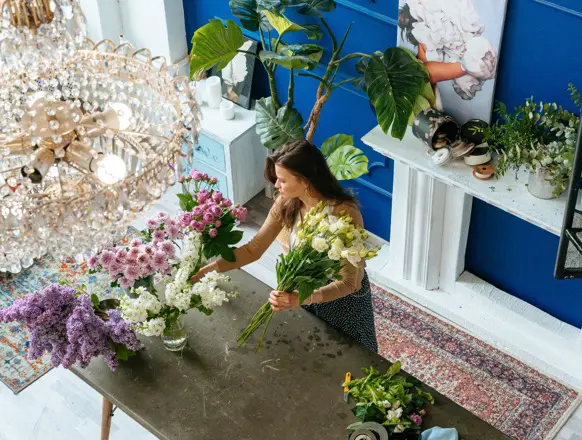
Iconic potted holiday plants (blooms 4–6 weeks); cut stems vase life 2–3 weeks; bridal/event favorite.
Cultural and Symbolic Significance
Dutch forcing tradition since 1700s; Victorian pride symbol; belladonna lily evokes naked beauty myth.