Hydrangeas are known for their stunning, colorful blooms, making them a popular choice in gardens and floral arrangements. But what happens when the season changes, and your hydrangea flowers start to fade? Instead of letting them go to waste, drying hydrangeas can be a fantastic way to preserve their beauty for months to come. In this guide, we’ll walk you through how to dry hydrangea flowers using easy, effective methods.
Why Dry Hydrangeas?
Hydrangeas hold a special place in many people’s gardens. Their large, colorful flowers make them an eye-catching addition to any landscape. When the growing season comes to an end, you don’t have to say goodbye to these beautiful flowers. Drying them allows you to keep their unique look, preserving their vibrant colors and texture.
Once dried, hydrangeas can be used in bouquets, wreaths, or as decor in any room. Whether you want to use them for crafts or simply to enjoy their beauty all year, drying hydrangeas can be a great way to extend their life.
The Best Time to Harvest Hydrangeas
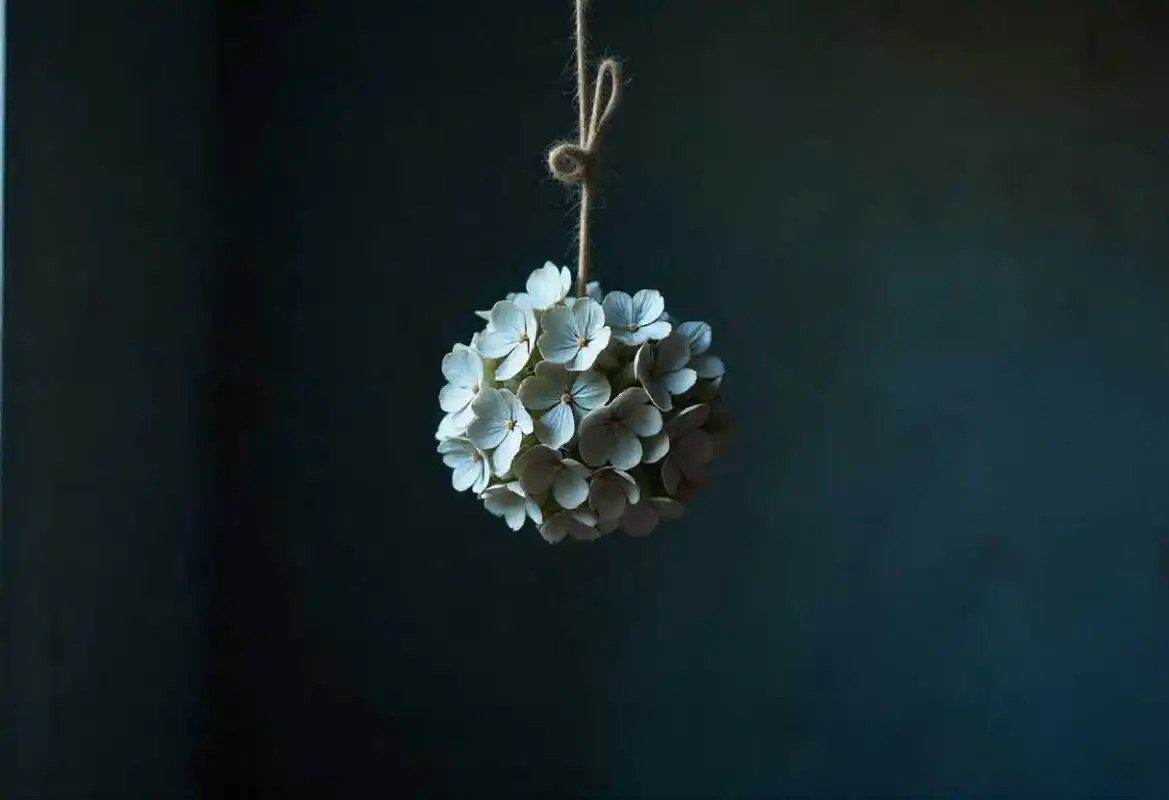
Knowing when to harvest your hydrangeas is key to drying them properly. The best time to cut hydrangeas for drying is when they’re in full bloom, but not too far past their prime. Look for flowers that still have vibrant color, but are beginning to dry on the plant.
This usually happens in late summer or early fall, but it may vary depending on your location and climate. If you wait too long, the flowers might be too dry to begin with, and they won’t hold up well during the drying process.
Methods for Drying Hydrangea Flowers
1. Air Drying Method
The air drying method is the simplest and most popular way to dry hydrangeas. It requires no special equipment, just a bit of patience.
Steps for Air Drying Hydrangeas:
- 1: Cut the flowers when they are fully bloomed but not overripe.
- 2: Remove any excess leaves and trim the stems to about 6 inches long.
- 3: Gather the flowers into small bunches and tie them together with string or twine.
- 4: Hang the bunches upside down in a cool, dry, and dark area. A closet or attic works great, as long as it’s out of direct sunlight.
- 5: Let them dry for about 2-3 weeks. Once the flowers feel stiff and dry, they are ready to use.
2. Silica Gel Method
If you’re short on time and want to preserve the hydrangeas’ color, silica gel is your best friend. This method helps hydrangeas retain more of their original hue and shape.
Steps for Using Silica Gel:
- 1: Prepare an airtight container and pour a layer of silica gel at the bottom.
- 2: Gently place your hydrangea flowers on top of the gel. Be sure the flowers are not overlapping.
- 3: Cover the flowers with more silica gel, making sure the petals are fully covered.
- 4: Seal the container and leave it for about 2-3 days.
- 5: Once the hydrangeas feel dry, remove them carefully. Shake off any excess gel, and your flowers will be ready.
3. Hanging vs. Vase Drying
Another method is to place hydrangeas in a vase of water and let them dry slowly as the water evaporates. This method helps the flowers keep their shape but can take longer than the air drying method.
Steps for Vase Drying:
- 1: Cut hydrangea stems at an angle, and place them in a vase with just a small amount of water—about 2 inches deep.
- 2: Place the vase in a warm area out of direct sunlight.
- 3: Allow the water to evaporate naturally. As the water disappears, the flowers will dry out.
How to Maintain Color and Shape
Drying hydrangeas can sometimes result in color loss or changes in shape. Here are a few tips to help preserve their beauty:
- Preserve the Color: To help maintain the vibrant color of your hydrangeas, you can try submerging the flowers in a solution of 1 part glycerin and 2 parts water for a few days before drying.
- Shape Preservation: For best results, avoid overcrowding the flowers while drying. Hang them in small bunches, allowing enough space for airflow.
Storing Dried Hydrangeas
Once your hydrangeas are dried, proper storage is crucial to maintain their appearance. Keep them in a dry, cool place, away from direct sunlight, to avoid fading.
If you plan to use them for floral arrangements, store them in a vase or container where they won’t get crushed. You can also spray them lightly with a floral sealant to help preserve their texture.
Common Drying Issues
While drying hydrangeas is simple, there are some common problems you might face.
- Browning: If your hydrangeas turn brown, it might be due to too much exposure to heat or sunlight. Try drying them in a cooler area next time.
- Wilting: If the flowers don’t dry properly and begin to wilt, they may not have been cut at the right time. Always pick flowers that are still in full bloom.
How to Revive Dried Hydrangeas
Dried hydrangeas can sometimes lose their shape or color over time. If you notice this happening, there are a few ways to revive them:
- Use a Steamer: Gently steam the flowers with a clothes steamer to bring them back to life. Be careful not to get them too wet.
- Rehydrate with Glycerin: Soak the dried hydrangeas in a solution of glycerin and water to restore their softness and color.
How to Use Dried Hydrangeas in Your Home
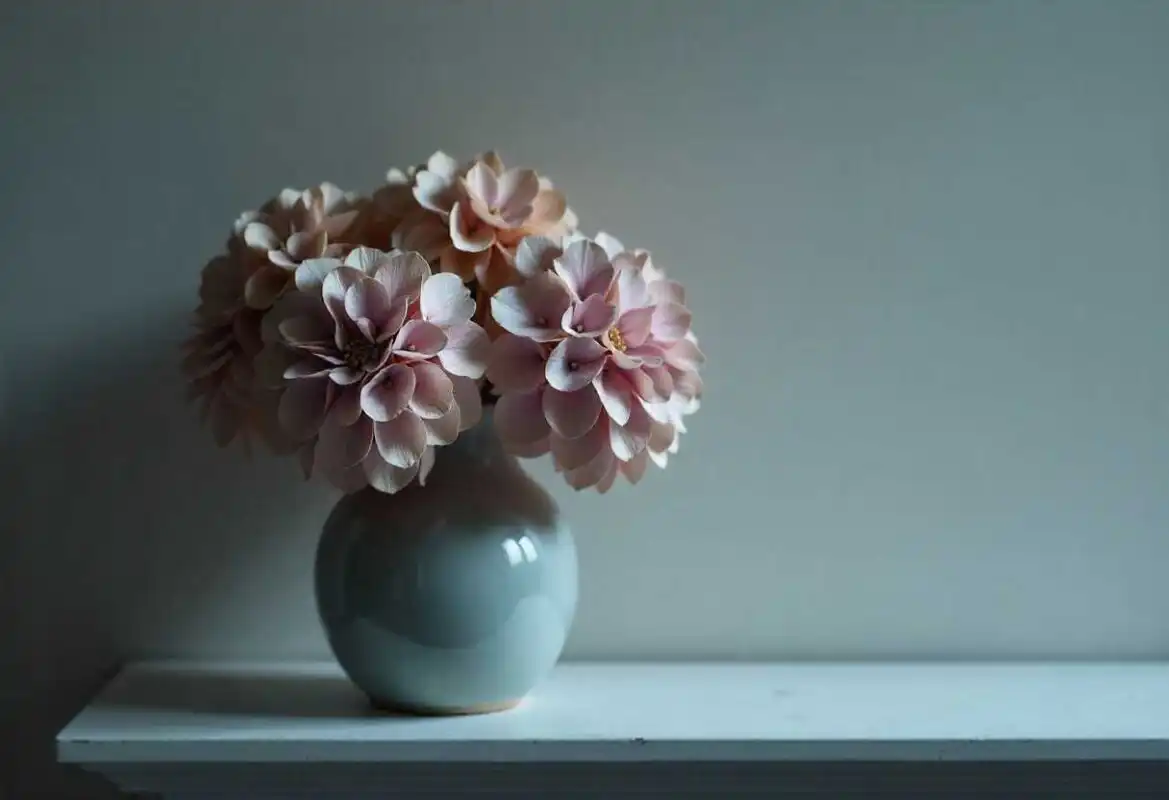
Dried hydrangeas can be used in a variety of ways to add a rustic touch to your home decor.
- Floral Arrangements: Combine dried hydrangeas with other dried flowers in a bouquet or centerpiece.
- Wreaths and Garlands: Use hydrangeas to create a stunning wreath for your door or a garland for your mantelpiece.
- Table Decorations: Place a few dried blooms in a vase or decorative jar for an elegant table centerpiece.
Keep Your Hydrangeas Forever
Drying hydrangeas is a wonderful way to preserve the beauty of these stunning flowers for months or even years. Whether you want to use them for crafts, home décor, or simply enjoy their beauty, drying is a simple and effective method to extend their life. By following the right drying techniques, you can keep your hydrangeas looking beautiful year-round.
FAQs
How long does it take to dry hydrangeas?
It typically takes 2-3 weeks to air-dry hydrangeas. If you’re using the silica gel method, it only takes 2-3 days.
Can I dry hydrangeas without silica gel?
Yes, the air drying method is a great alternative and requires no special materials.
What should I do if my dried hydrangeas start to fade?
You can try using glycerin to rehydrate the flowers and restore their color.
Can I use dried hydrangeas in crafts?
Absolutely! Dried hydrangeas are perfect for making wreaths, bouquets, and other crafts.

What is the best flower delivery company in the UK?
Flowers can make any occasion memorable. They show care, love, or sympathy without words. Finding the best flower delivery company in the UK is not
Rainbow Tulip Bouquet – A Vibrant Gift for Every Special Occasion (Next Day UK Delivery Available)
Looking for the perfect way to brighten someone’s day? Our Rainbow Tulip Bouquet is a stunning and joyful arrangement that makes an unforgettable gift for
Purple and White Flower Bouquet – A Timeless Gift for Every Occasion Next-Day UK Delivery
Looking for a meaningful gift that speaks volumes without saying a word? Our Purple and White Flower Bouquet is a stunning arrangement that combines elegance,