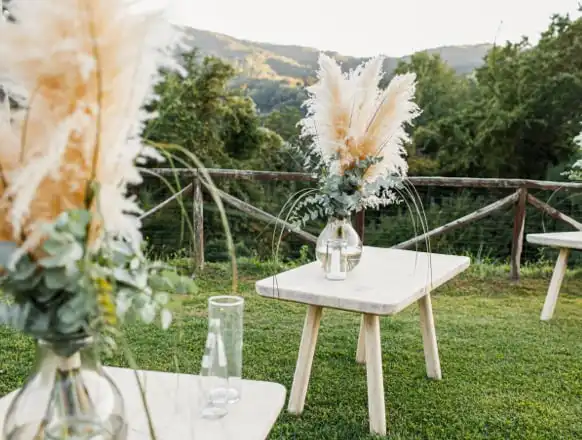
Creating your own wedding bouquet is one of the most meaningful ways to add a personal touch to your big day. Instead of buying ready-made arrangements, you can design something that reflects your style, your story, and your colour theme. This guide walks you through every step — from choosing flowers to assembling, wrapping, and preserving your bouquet — so your arrangement looks professional, elegant, and wedding-ready.
Why Making Your Own Wedding Bouquet Is Worth It
Designing your bouquet brings emotional and practical value. You save money, enjoy full creative control, and craft something truly unique. DIY bouquets also allow you to choose sustainable, local flowers and experiment with custom colour palettes. Whether you want soft pastels, bold colours, or modern minimalist greens, DIY floristry gives you complete freedom.
Personalisation is the biggest advantage. Every stem, every bloom, every ribbon becomes part of your story. Many brides love the calming, joyful process of arranging flowers — it makes the wedding preparation feel even more special.
What You Need Before You Start
You don’t need professional-level tools, but a few essentials will make the process easier and help your bouquet stay fresh.
Tools and Supplies
- Floral scissors or sharp shears
- Floral tape
- Elastic bands
- Satin or silk ribbon
- Pins
- Stem stripper
- A vase filled with clean, cool water
- A spray bottle for hydration
Flowers and Greenery
For a well-balanced bouquet, choose:
- Focal flowers: roses, peonies, lilies, hydrangeas
- Accent flowers: lisianthus, spray roses, ranunculus
- Fillers: baby’s breath, waxflower, limonium
- Greenery: eucalyptus, ruscus, ferns, ivy
Choose a Colour Palette
Always plan the colours before buying flowers. Popular options include:
- Pastels for a romantic theme
- Bold jewel tones for a modern theme
- White and green for a minimalist, elegant theme
- Rustic shades for countryside weddings
Having a clear palette ensures your bouquet looks cohesive and well-designed.
How to Choose the Perfect Flowers for Your Wedding Bouquet
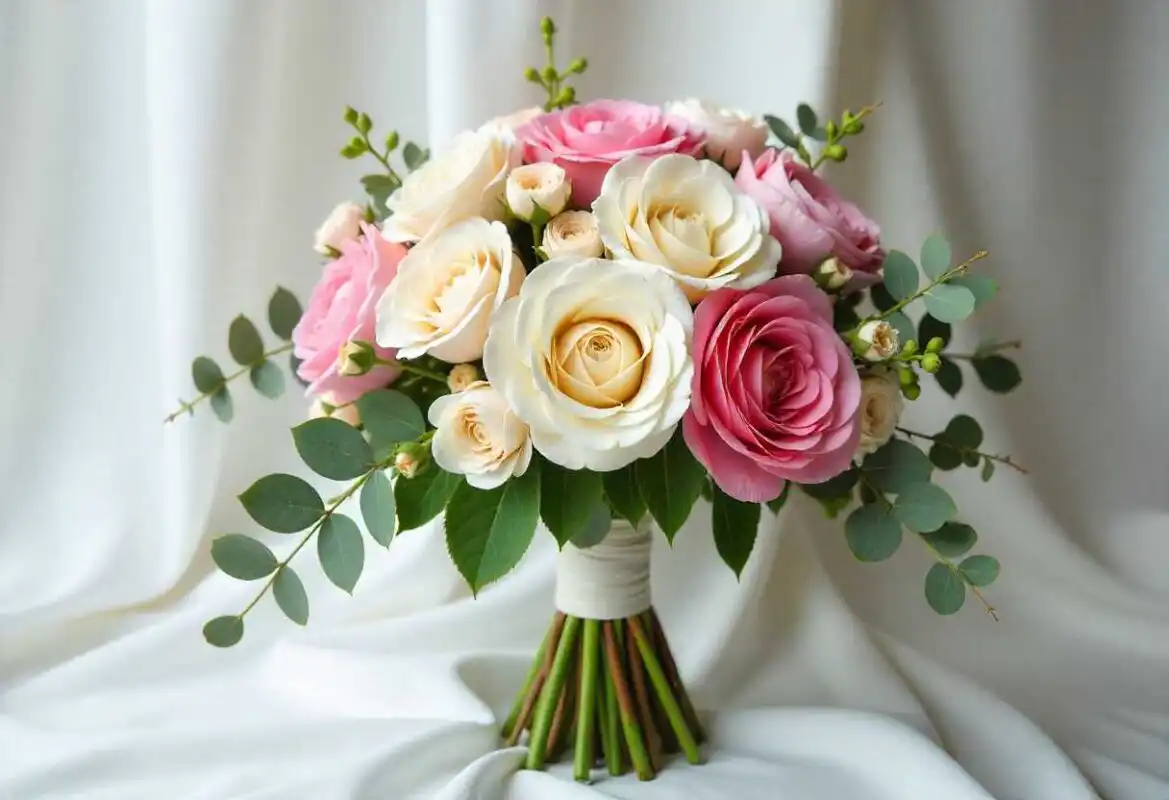
Seasonal flowers are fresher, more affordable, and last longer. Choosing flowers that are in season also helps the bouquet look natural and harmonised.
Seasonal Options
- Spring: tulips, anemones, peonies
- Summer: roses, delphinium, sunflowers
- Autumn: dahlias, chrysanthemums
- Winter: orchids, amaryllis
Match Flowers With Wedding Themes
- Rustic weddings: wildflowers, eucalyptus, daisies
- Luxury weddings: orchids, garden roses, peonies
- Vintage weddings: hydrangeas, soft roses, sage greenery
- Boho weddings: pampas grass, textured foliage, oversized blooms
Budget-Friendly Choices
If you’re aiming to save more:
- Carnations
- Daisies
- Spray roses
- Greenery bundles
These offer volume without increasing your budget.
How to Make Your Own Wedding Bouquet
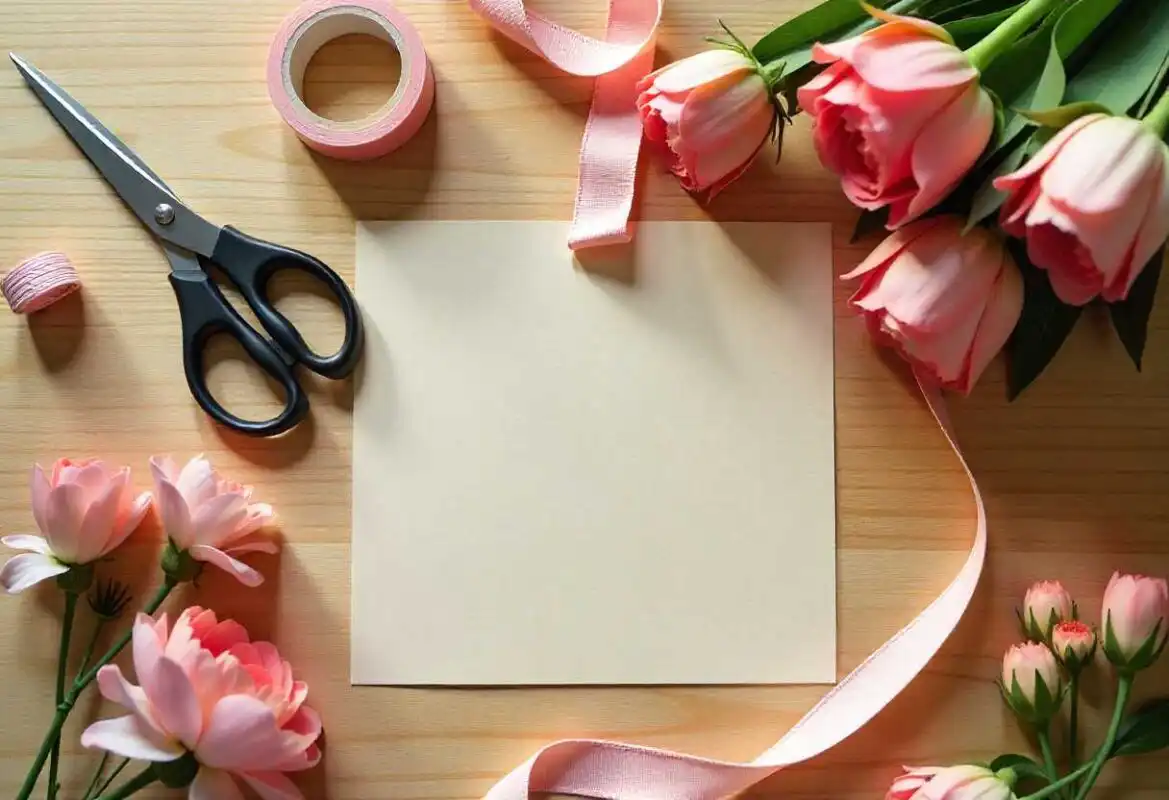
This is the core of your DIY floristry. Follow these steps closely for a professional-looking bouquet.
- Prepare Your Flowers
Remove excess leaves using a stem stripper. Trim each stem at an angle to allow better water absorption. Place all flowers in a vase for 3–6 hours to hydrate fully — hydrated blooms stay fresh longer.
2. Start With the Focal Flowers
Hold three to five main flowers in your hand. Keep stems angled slightly so the bouquet forms a rounded shape. This will be the heart of your arrangement.
3. Add Accent Flowers
Add medium-sized flowers around your focal flowers. Rotate the bouquet as you add each stem to create an even distribution.
4. Add Filler Flowers and Greenery
Mix in greenery between blooms to soften the edges. Baby’s breath, eucalyptus, and fern help create volume and movement.
5. Secure the Bouquet
Once the shape is ready, wrap floral tape tightly around the top portion of the stems. Add elastic bands for extra support.
6. Add Ribbon or Fabric Wrap
Cover the tape with satin, silk, or lace ribbon. Secure it with a pearl pin or decorative accessory.
7. Store Properly
Mist the bouquet with water. Store it in a cool room. Keep stems in water until it’s time for photos or the ceremony.
Types of Wedding Bouquets You Can Make
Creating different bouquet styles allows you to match the arrangement to your overall wedding theme.
Classic Round Bouquet
A perfect choice for traditional weddings. Works best with roses, peonies, or hydrangeas.
Hand-Tied Rustic Bouquet
Loose and natural-looking, ideal for outdoor weddings or boho themes.
Cascade Bouquet
Long, waterfall-style bouquet with trailing greenery. Very elegant and suitable for formal weddings.
Minimalist Greenery Bouquet
Simple foliage bouquet that gives a modern and stylish look.
Common Mistakes to Avoid
Avoid these typical errors to keep your bouquet looking perfect:
- Choosing non-seasonal flowers that wilt quickly
- Overcrowding the bouquet
- Forgetting to hydrate the flowers properly
- Using the wrong ribbon or wrap
- Making the bouquet too early or too last-minute
Following the right timeline makes a huge difference in freshness.
When to Start Preparing Your Bouquets
- 1–2 weeks before: plan your design, palette, and style
- 2–3 days before: buy fresh flowers and begin hydration
- Wedding day: finish ribbon wrapping, mist lightly, transport safely
How to Preserve Your Bouquet After the Wedding
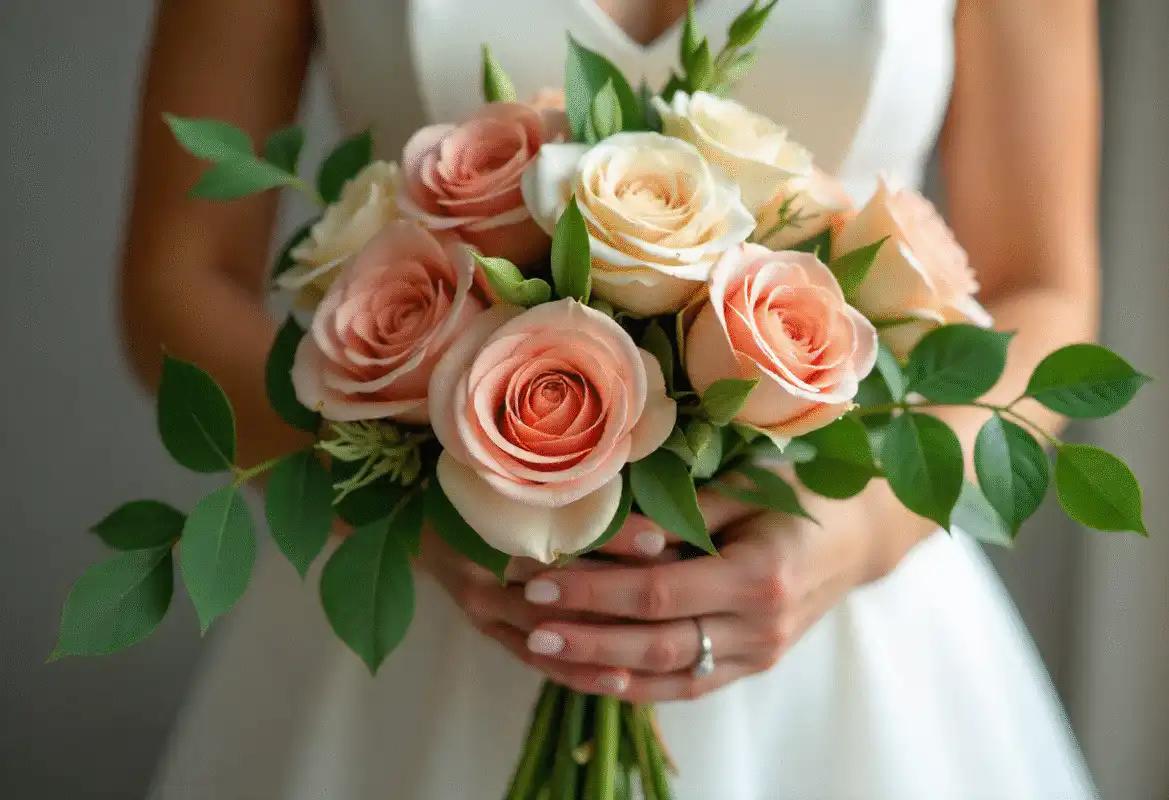
Many brides want to keep their bouquets as a long-term memory. You can preserve the blooms in several ways:
- Air drying: hang upside down
- Silica gel preservation: keeps shape and colour
- Pressed flowers: create art frames
- Resin casting: turn flowers into decorative keepsakes
Extra Tips to Make Your Bouquet Look Professional
- Mix different textures for depth
- Limit the number of colours for elegance
- Keep stems even at the bottom
- Use more greenery if the bouquet feels small
- Do a practice bouquet at least once before the wedding
Even beginners can create stunning bouquets with these techniques.
Frequently Asked Questions
How many flowers do I need?
A standard bridal bouquet needs 20–40 stems, depending on size.
Can I make the bouquet the day before?
Yes, but keep it in water and store in a cool place.
Which flowers last the longest?
Roses, chrysanthemums, lisianthus, orchids.
Can I mix artificial and fresh flowers?
Yes — it adds durability and reduces cost.
Should bridesmaids’ bouquets match the bride’s bouquet?
They should complement it, but they don’t need to match exactly.

Valentine’s Day Roses Collection – Luxury Bouquets by Online Flower Company
May – a month which welcomes an abundance of flowers, but there is one stem whose return truly sets hearts aflutter. From late April the peony, cel…

Seasonal favourite: Peonies
Whether it’s the hue of a precious gem or a stem that reminds them of a special time or place – our florists take inspiration from a plethora of su…

How to dress a festive table
For those of you hosting this Christmas, read on; it’s time to polish up the cutlery, bring out the china plates, and brush up on our top tips on…