Alstroemeria, commonly known as Peruvian lily or lily of the Incas, is a tuberous herbaceous perennial in the family Alstroemeriaceae, native to South America and prized for its long-lasting, lily-like flowers in vibrant colours. These plants produce clusters of trumpet-shaped blooms on upright stems, making them excellent for cut flowers with vase life up to two weeks and garden displays from late spring to autumn.
Botanical overview
Alstroemerias grow from clusters of fleshy, finger-like tubers, sending up fertile and sterile stems that reach 8 inches to 4 feet tall depending on variety. Leaves are lance-shaped, alternate, and resupinate—twisted 180 degrees at the base so the undersides face upward—typically in shades of green or bronze.
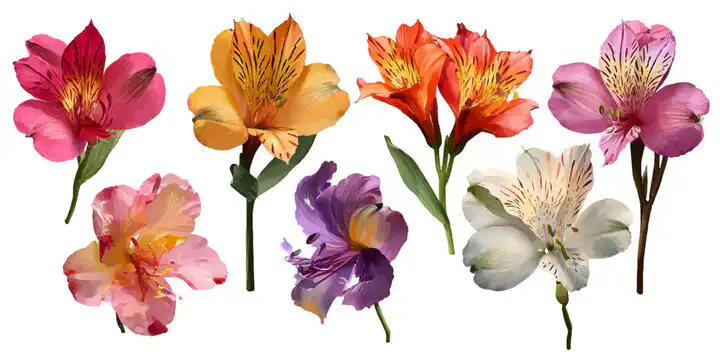
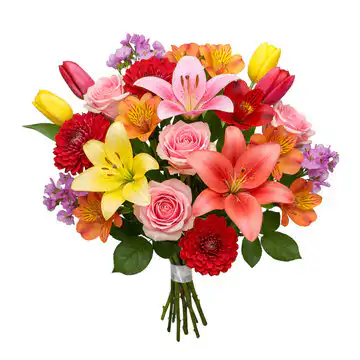
- Flower details: Blooms are 1–2 inches across with six petals, often streaked, spotted, or flecked in contrasting darker tones, appearing in umbels of multiple flowers per stem in colours like red, orange, pink, purple, yellow, salmon, or white.
- Growth habit: Clumping perennials with medium texture and rate, deciduous foliage that dies back in winter before resprouting in spring.
Taxonomy and origins
The genus Alstroemeria includes around 50 species mainly from Chile, Peru, and Brazil, with hybrids bred for garden use. Named after Swedish botanist Clas Alströmer, they are inferior monocots with parallel leaf veins and capsules as fruit.
- Native habitat: They thrive in diverse South American environments from coastal dunes to high Andes slopes, adapting to varied soils and elevations.
- Cultivars: Popular series include Inca, Intican, and Princess, with dwarf ‘micro’ forms for containers and taller types for borders.
Cultivation and care
Alstroemerias prefer full sun to part shade, fertile, well-drained soil rich in organic matter, and consistent moisture without waterlogging. They are hardy in zones 7–10 (some to 6 with protection) and multiply over time, attracting pollinators like bees, butterflies, and hummingbirds.
- Planting and maintenance: Plant tubers in spring or autumn, spacing 12–24 inches apart; pull faded stems from the base to encourage reblooming rather than cutting. Mulch roots for winter protection and avoid shade where flowering weakens.
- Landscape uses: Ideal for mixed borders, containers, cutting gardens, pollinator patches, or mass plantings; deer-resistant but may cause skin irritation on handling.
Uses and floristry
These are top cut flowers due to their durability, bright palette, and ability to open in vases, often used in bouquets, arrangements, and as focal accents. Gardeners value their extended bloom season and low maintenance once established.
Symbolism and appeal
Alstroemerias symbolize friendship, devotion, and prosperity, with their exotic look evoking mutual support and good fortune in flower language. Their resilience and colour variety suit celebratory gifts, summer borders, and modern cottage gardens.

Valentine’s Day Roses Collection – Luxury Bouquets by Online Flower Company
May – a month which welcomes an abundance of flowers, but there is one stem whose return truly sets hearts aflutter. From late April the peony, cel…

Seasonal favourite: Peonies
Whether it’s the hue of a precious gem or a stem that reminds them of a special time or place – our florists take inspiration from a plethora of su…

How to dress a festive table
For those of you hosting this Christmas, read on; it’s time to polish up the cutlery, bring out the china plates, and brush up on our top tips on…