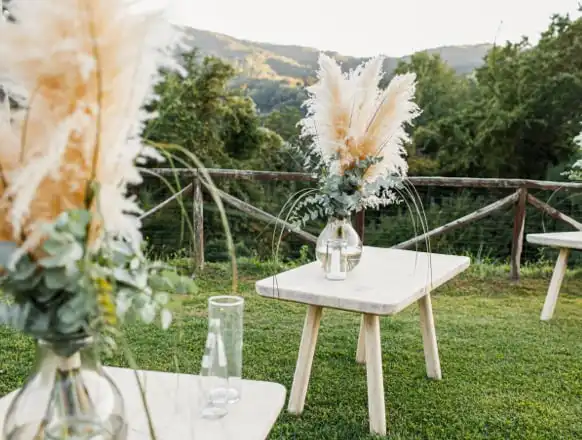
Flowers For Christmas Tree
Why Real Flowers For Christmas Tree Are Important
When you’re decking the halls this year, don’t just grab a plastic garland. You simply must have real flowers and greenery! Now, some folks think it’s just about looking fancy, but your old grandma knows the truth: real plants are the heart and soul of a proper Christmas. Long before store-bought decorations, our ancestors brought the living world inside. They didn’t just want a pretty view; they needed a tangible reminder of hope, life, and the coming light during the darkest, coldest time of the year. Every bright berry and green leaf tells a story, connecting us straight back to the original, deep meaning of this blessed holiday.
The plants we bring indoors are not just decorations, but living, breathing symbols that bridge the past and the present. Look closely at the vibrant red and green, and you’ll find nature telling the beautiful story of light, life, and enduring hope.
Primary Christmas Flowers (Most Common)
- Poinsettia – The quintessential Christmas flower.
- Amaryllis – Known for its dramatic, trumpet-shaped blooms on tall stalks.
- Christmas Cactus – A succulent that blooms profusely in December.
- Paperwhites – A type of fragrant Narcissus forced to bloom indoors for the holidays.
- Cyclamen – Features heart-shaped leaves and elegant, swept-back petals.
Traditional Christmas Foliage & Berries (Essential for Decor)
- Holly – Glossy green leaves with bright red berries.
- Ivy – Trailing vine, often paired with holly.
- Mistletoe – A parasitic plant with white berries, hung for tradition.
- Boxwood – Dense, small-leaved evergreen used in wreaths and topiaries.
- Pine, Fir, & Spruce – Coniferous branches and cones for garlands and trees.
- Cedar – Fragrant evergreen branches.
- Eucalyptus (especially Silver Dollar) – Used for its scent, texture, and grey-blue color.
- Juniper – Berry-producing evergreen shrub.
- Magnolia Leaves – Large, glossy, and leathery, used in Southern-style decor.
Seasonal Winter-Blooming Flowers
- Christmas Rose – A true winter garden flower (Helleborus niger).
- Camellia sasanqua – An evergreen shrub that blooms in late fall to winter.
- Witch Hazel – Some varieties bloom with spidery flowers in deep winter.
- Winter Jasmine – Bright yellow flowers on bare green stems.
- Winter Aconite – Small, yellow cup-shaped flowers.
- Snowdrop – One of the first bulbs to appear, often in late winter.
Orchids & Exotics (Popular as Gift Plants)
- Phalaenopsis Orchid – The “Moth Orchid,” widely available and long-lasting.
- Cymbidium Orchid – Features long sprays of flowers, popular in arrangements.
- Christmas Orchid – Often refers to Cattleya trianae or Angraecum sesquipedale.
Forced Bulbs & Indoor Color
- Hyacinth – Forced for their intense fragrance and compact flower spikes.
- Kalanchoe – A durable succulent with clusters of small, bright flowers.
- Azalea (Indoor florist’s type) – Sold as small, blooming plants.
- Begonia (Winter-flowering types like Rieger) – Used as colorful houseplants.
- Lavender (Potted) – Sometimes forced for its scent and symbolism.
- Rosemary – Often trimmed into topiary “Christmas trees.”
Cut Flowers & Berries for Arrangements
- Red Roses – Symbolic and deeply colored for festive arrangements.
- Anthurium – Waxy, heart-shaped spathes in red or white.
- Hypericum Berries – Shrub with berries in red, pink, or peach.
- Protea (King/Snow) – Large and dramatic, for modern arrangements.
- Leucadendron – Colorful, long-lasting foliage from South Africa.
- Skimmia – Shrub with clusters of red buds and berries.
- Cotoneaster – Branches laden with small red berries.
- Nandina (Heavenly Bamboo) – Berries and foliage turn bright red.
- Peperomia – Variegated foliage used in posies and arrangements.
- Lily of the Valley (Forced) – Occasionally forced for its delicate scent and bells.
Herbs & Symbolic Plants
- Rosemary (again) – For remembrance.
- Bay Laurel – Symbolizes glory and victory.
- Thyme – Represents courage and activity.
Christmas Tree Flower & Botanic Decor Guide
I. SELECTION BY TREE SIZE
Small Trees (4-6 feet / Tabletop)
Focus: Delicate, minimal, coordinated themes
- Design: Single accent theme
- Quantity: 10-20 stems total
- Best Choices:
- Small Poinsettia blooms (individual florets wired)
- Cyclamen flowers on picks
- Paperwhite clusters (3-5 per bunch)
- Miniature orchids (Phalaenopsis)
- Hypericum berries (sparse)
- Silver Dollar Eucalyptus sprigs
- Boxwood clusters
Medium Trees (7-8 feet / Standard Living Room)
Focus: Balanced coverage, multiple textures
- Design: 2-3 complementary colors/textures
- Quantity: 30-50 floral elements
- Best Choices:
- Medium Poinsettia blooms
- Amaryllis blooms (dramatic focal points)
- Holly with berries on picks
- Cymbidium orchids (on branches)
- Anthurium (for tropical theme)
- Mixed foliage: Cedar, Pine, Rosemary
- Dried elements: Star anise, cinnamon sticks
Large Trees (9+ feet / Grand Entryways)
Focus: High-impact, professional installation
- Design: Multiple themes by section, full coverage
- Quantity: 75-150+ elements
- Best Choices:
- Large Poinsettia blooms (real or high-quality silk)
- Multiple Amaryllis stems
- Magnolia leaf clusters
- Protea (king/pincushion) for drama
- Full orchid stems (Vanda, Cattleya)
- Cascading ivy garlands
- Berry branches: Nandina, Cotoneaster, Winterberry
II. DESIGN STYLES & FLOWER SELECTIONS
Traditional Red & Green
- Primary: Poinsettia, Red Roses, Holly berries
- Accent: White Paperwhites, Pine, Boxwood
- Texture: Cinnamon sticks, pine cones
- Tip: Use odd numbers of floral clusters (3, 5, 7)
Winter White & Silver
- Primary: White Amaryllis, Paperwhites, Phalaenopsis orchids
- Foliage: Silver Dollar Eucalyptus, Dusty Miller
- Texture: Bleached pine cones, frosted magnolia leaves
- Tip: Add clear fairy lights inside white blooms
Woodland/Natural
- Primary: Dried flowers (hydrangea, statice), seed pods
- Berries: Hypericum, rose hips, juniper
- Foliage: Cedar, pine, moss
- Texture: Feathers, birch wood slices, burlap ribbon
- Tip: Cluster elements as if naturally growing
Glamorous/Metallic
- Primary: Red Anthurium, white Cymbidium orchids
- Treatment: Gilded or spray-painted magnolia leaves
- Accent: Gold-dipped pine cones, mercury glass ornaments
- Tip: Use floral picks with crystal accents
Tropical Modern
- Primary: Protea, Anthurium, Bromeliads
- Accent: Monstera leaves, Birds of Paradise (dried)
- Texture: Palm fronds, reindeer moss
- Tip: Pair with colorful glass ornaments
III. QUANTITY GUIDE
Formula for medium tree (7-ft):
- Focal flowers (large blooms): 8-12 total
- Secondary flowers (medium): 15-25 total
- Filler foliage/greenery: 20-30 sprigs
- Berry branches/accents: 10-15 stems
Placement Distribution:
- Top ⅓ (Above eye level): 25% of florals (visible from distance)
- Middle ⅓ (Eye level): 50% of florals (main impact zone)
- Bottom ⅓: 25% of florals (including any cascading elements)
IV. TECHNICAL GUIDE & TIPS
Preparation & Mechanics
- Water Sources:
- Use floral water picks/tubes for fresh flowers
- For preserved/dried: no water needed
- Important: Test for leaks before placing on tree
- Attachment Methods:
- Floral picks (wooden or plastic stems)
- Floral wire (24-26 gauge) for securing
- Zip ties (green) for heavy branches
- Ornament hooks on floral wire loops
- Fresh vs. Artificial:
- Fresh: More fragrant, natural, but perishable (lasts 5-7 days with water)
- Silk/High-quality artificial: Reusable, no maintenance, consistent appearance
- Preserved/Dried: Long-lasting, natural texture, fragile
Installation Steps
- Lights First: Always install lights before any florals
- Garlands/Ribbons Next: Establish flow lines
- Largest Elements First: Place big blooms/focal points
- Filler Second: Add medium flowers
- Finishing Touches: Small berries, delicate sprigs, glitter accents
- Step Back & Assess: Fill empty spots from different viewing angles
Pro Tips for Longevity
- Misting: Lightly mist fresh flowers daily (avoid electrical components)
- Cool Location: Keep tree away from heat vents/fireplaces
- Water Check: Refill floral picks every 2 days for fresh flowers
- Preservative: Add floral preservative to water in picks
- Testing: Test spray paints/dyes on single element first
Safety Considerations
CRITICAL:
- Fire Safety: Never use open flames near dried materials
- Electrical Safety: Ensure all lights are UL-rated, cords not pinched
- Weight Distribution: Heavy elements go on stronger branches near trunk
- Chemical Safety: Some preserved flowers have chemicals—wear gloves
- Pet Safety: Many Christmas plants (poinsettia, holly, mistletoe) are toxic to pets
V. THEME-SPECIFIC QUICK GUIDES
“Enchanted Forest” Tree
- Elements: Moss, lichen, dried mushrooms, pine cones, feathers
- Flowers: Small white blooms (Baby’s Breath), dried lavender
- Colors: Browns, greens, creams, touches of pale blue
“Candyland” Tree
- Elements: Gomphrena (looks like candy), peppermint-striped ribbons
- Flowers: Bright cyclamen, forced hyacinth
- Colors: Bright red, white, pink, mint green
“Victorian” Tree
- Elements: Dried roses, lace, pearl strands, velvet ribbons
- Flowers: Tea roses, hellebores, sweet pea blossoms
- Colors: Deep red, cream, gold, burgundy
VI. TIMELINE FOR FRESH FLOWERS
- Day 1-2: Source and condition flowers (hydrate overnight)
- Day 3: Install tree lights and base greenery
- Day 4: Install main floral elements (with water picks)
- Day 5: Add filler and delicate elements
- Daily: Check water levels, mist lightly, remove wilting pieces
- End of Season: Remove flowers first, then decorations, then lights
Final Designer Tip: Create a “test branch” with your selected materials before decorating the entire tree. This helps visualize scale, color combinations, and mechanics.

Mohammad Qahef
Tags
What do you think?
Related Articles
Valentine’s Day Roses Collection – Luxury Bouquets by Online Flower Company
May – a month which welcomes an abundance of flowers, but there is one stem whose return truly sets hearts aflutter. From late April the peony, cel…

Seasonal favourite: Peonies
Whether it’s the hue of a precious gem or a stem that reminds them of a special time or place – our florists take inspiration from a plethora of su…

How to dress a festive table
For those of you hosting this Christmas, read on; it’s time to polish up the cutlery, bring out the china plates, and brush up on our top tips on…