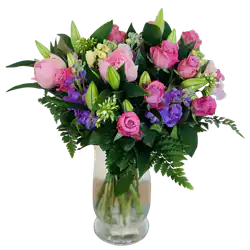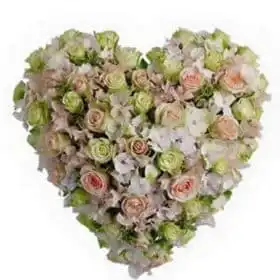
A gerbera daisy is a tender perennial flowering plant in the genus Gerbera (family Asteraceae), primarily Gerbera jamesonii, native to South Africa and celebrated for its large, vibrant, daisy-like blooms used extensively in floristry and gardens. These cheerful flowers symbolize innocence, purity, and joy, with long vase life making them popular for bouquets and arrangements.
Botanical overview
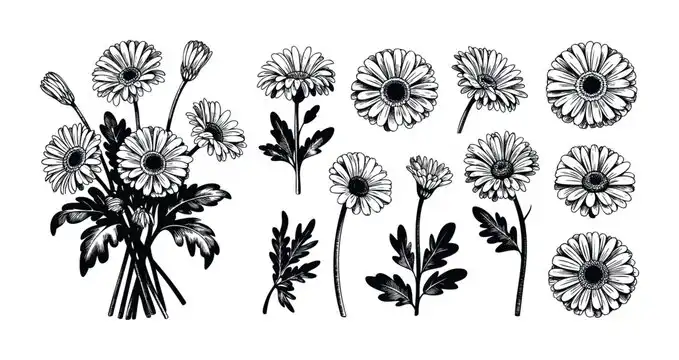
Gerbera daisies form basal rosettes of long, tongue-shaped or lobed, dark green leaves that are slightly fuzzy underneath, typically clumping to 12–18 inches wide and tall. Solitary flower heads, 3–5 inches across, rise on long, leafless stems up to 24 inches high, featuring ray florets (petal-like) around a central disc.
- Flower diversity: Blooms display vivid colours including white, yellow, orange, pink, red, lavender, salmon, and bicolours, with the disc ranging from yellow to bronze or black. Forms include single, double, and semi-double, blooming mainly spring through autumn in suitable climates.
- Growth habit: Plants are evergreen in warm zones but often grown as annuals elsewhere, with a clumping, non-invasive habit suited to pots or borders.
Taxonomy and native range
Gerberas belong to the daisy family alongside sunflowers and zinnias, with around 40 species mostly from Africa and Asia, though G. jamesonii (Barberton or Transvaal daisy) dominates horticulture. Hybrids have expanded colour and form options for commercial production.
- Origins: Native to South Eastern Africa, they thrive in sandy, well-drained soils of grasslands and rocky slopes. Introduced to Europe in the 19th century, they became staples in cut-flower industries.
Cultivation and care
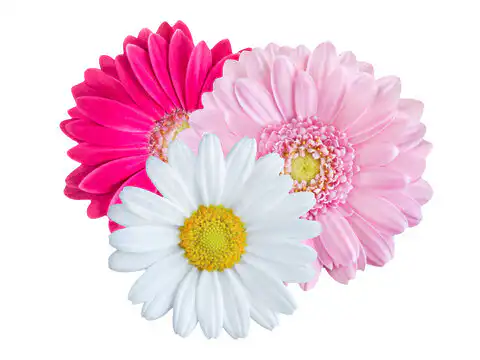
Gerberas prefer full sun to partial shade, well-drained soil (loamy, sandy, or chalky), and average moisture, with low maintenance once established. They attract bees and butterflies and excel in containers, borders, and coastal or Mediterranean gardens.
- Hardiness and planting: USDA zones 8–11; treat as annuals or overwinter indoors in cooler areas by reducing water in winter. Space 24 inches apart, mulch to keep crowns dry, and deadhead for continuous blooms.
- Pests and issues: Susceptible to crown rot from overwatering, aphids, and spider mites; ensure good air circulation and avoid wet foliage.
Uses and floristry
Gerbera daisies are top cut flowers due to 7–14 day vase life, bright colours, and sturdy stems ideal for arrangements. They shine in mixed bouquets, centrepieces, and as focal points.
- Garden roles: Perfect for patio pots, cutting gardens, and mass plantings; combine with salvias or grasses for summer colour. Their bold scale suits modern, informal cottage, or city courtyard styles.
Symbolism and appeal
Gerberas represent happiness, friendship, and celebration, with colours conveying specific messages like red for love or yellow for cheer. Their uplifting presence makes them gifts for birthdays, get-well wishes, and everyday positivity.

Valentine’s Day Roses Collection – Luxury Bouquets by Online Flower Company
May – a month which welcomes an abundance of flowers, but there is one stem whose return truly sets hearts aflutter. From late April the peony, cel…

Seasonal favourite: Peonies
Whether it’s the hue of a precious gem or a stem that reminds them of a special time or place – our florists take inspiration from a plethora of su…

How to dress a festive table
For those of you hosting this Christmas, read on; it’s time to polish up the cutlery, bring out the china plates, and brush up on our top tips on…