An orchid is a diverse flowering plant belonging to the Orchidaceae family, one of the largest plant families with over 25,000 species and countless hybrids, known for their intricate, often exotic blooms and specialized pollination mechanisms. These epiphytic, terrestrial, or lithophytic plants thrive in varied habitats worldwide, from tropical rainforests to alpine meadows, and are prized in horticulture for their elegance, longevity, and symbolism of love, beauty, and luxury.
Botanical overview
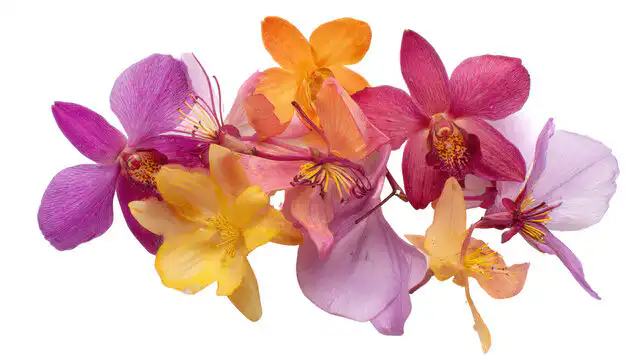
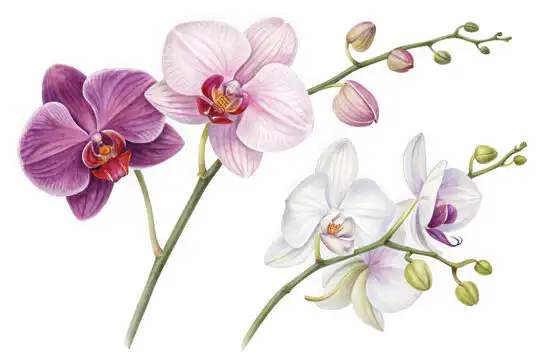
Orchids feature bilateral symmetry (resupinate flowers), a fused column of stamens and pistil, and a modified petal called the labellum that serves as a landing platform for pollinators. Most produce pseudobulbs or thickened stems for water storage, with leathery leaves and aerial roots often covered in velamen for moisture absorption.
- Flower structure: Three sepals, three petals (one labellum), and tiny dust-like seeds in capsules; blooms range from tiny to over 30 cm wide, in nearly every color except true blue.
- Growth habits: Monopodial (upright, like Phalaenopsis) or sympodial (rhizomatous, like Cattleya), with many epiphytes clinging to trees.
Taxonomy and major types
Orchidaceae spans subfamilies like Epidendroideae and Orchidoideae, with popular genera including Phalaenopsis (moth orchids), Cattleya (corsage orchids), Dendrobium, Oncidium (dancing ladies), and Paphiopedilum (lady’s slippers).
- Common groups: Phalaenopsis for beginners (long-lasting sprays); Cattleya for fragrant, ruffled hybrids; Vanda for vibrant, strap-leaved pendants; terrestrial types like Bletilla for gardens.
- Diversity: Centers in tropics (Asia, Americas), with hybrids bred for homes, greenhouses, and floristry.
Cultivation and care
Most houseplant orchids need bright indirect light, high humidity (50–70%), temperatures 65–85°F (18–29°C), and well-draining media like bark or sphagnum. Water weekly, fertilize diluted during growth, and repot every 1–2 years post-bloom.
- Challenges: Root rot from overwatering; pests like scale; specific needs vary (e.g., cool for Cymbidium, warm for Vanda).
- Garden use: Hardy terrestrials in zones 5–9; epiphytes in greenhouses or as houseplants.
Uses and floristry
Orchids dominate the cut-flower and potted plant markets, with Phalaenopsis leading for Valentine’s and events due to 2–3 month blooms. Hybrids like Cymbidium suit sprays; some edible in cultures (e.g., vanilla from Vanilla planifolia).
Symbolism and cultural significance
Orchids evoke luxury, fertility, and refinement across Asia (China’s “king of fragrants”) and the West (Victorian corsages); colors denote love (pink), strength (white), or rarity. Conservation highlights their vulnerability, with many CITES-protected.

Valentine’s Day Roses Collection – Luxury Bouquets by Online Flower Company
May – a month which welcomes an abundance of flowers, but there is one stem whose return truly sets hearts aflutter. From late April the peony, cel…

Seasonal favourite: Peonies
Whether it’s the hue of a precious gem or a stem that reminds them of a special time or place – our florists take inspiration from a plethora of su…

How to dress a festive table
For those of you hosting this Christmas, read on; it’s time to polish up the cutlery, bring out the china plates, and brush up on our top tips on…