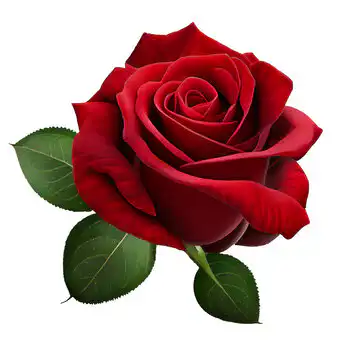
A rose is a woody perennial flowering plant of the genus Rosa (family Rosaceae), grown worldwide for its ornamental beauty, fragrance, symbolism, and diverse practical uses. Roses have a long cultural history, featuring in mythology, religion, art, medicine, and commerce across many civilizations.
Botanical overview
Roses belong to the genus Rosa, which contains over 100 wild species distributed mainly in temperate regions of the Northern Hemisphere. They are part of the rose family (Rosaceae), a group of plants characterized by showy, usually five-petalled flowers with numerous stamens and a cup‑like floral structure called a hypanthium.
- Growth form: Roses are typically shrubs, climbers, or ramblers with woody stems bearing prickles (often called thorns) of various sizes and densities. Some species form low, spreading groundcovers, while others can climb several metres when supported.
- Leaves: Leaves are usually deciduous, pinnate (divided into several leaflets), and often have toothed margins and stipules at the base. Leaf arrangement and leaflet number differ among species and cultivars and are important in identification.

Flower structure and reproduction
Rose flowers are generally large and conspicuous, with a basic structure derived from wild forms that has been extensively modified by breeding. Most roses are hermaphroditic, containing both male and female reproductive organs in each flower.
- Floral organs: Wild-type roses typically have five petals, five sepals, many stamens, and multiple carpels enclosed in a hypanthium. Modern garden roses may show many more petals due to transformation of stamens into petaloid structures, creating the familiar double blooms.
- Fruit (rose hips): After pollination, the ovaries develop into small dry fruits called achenes, enclosed in a fleshy or leathery hypanthium known as a rose hip. Rose hips are usually red or orange, rich in vitamin C, and provide food for birds and small mammals.
Taxonomy and classification
Taxonomically, roses have proved complex because of hybridization, polyploidy, and morphological variation. Modern taxonomic treatments divide Rosa into several subgenera and multiple sections based on morphological and genetic traits.
- Family level: Rosa is placed in subfamily Rosoideae within Rosaceae, alongside genera such as Rubus (brambles) and Fragaria (strawberries).
- Infrageneric groups: Recent classifications recognize subgenera such as Rosa (the main group), Platyrhodon, and sometimes Hesperhodos and Hulthemia, with the main subgenus further divided into roughly 10–15 sections (e.g., Caninae, Gallicanae, Cinnamomeae, Indicae).
Major horticultural groups
Garden roses are usually grouped by horticultural type rather than strict botanical species. These classes reflect breeding history, flower form, growth habit, and repeat-flowering behaviour.
- Wild/Species roses: Directly derived from wild species, usually with single flowers and strong hips, often used for breeding and naturalistic plantings.
- Old garden roses: Traditional European and Middle Eastern types (e.g., Gallica, Damask, Alba, Centifolia, Moss) developed before the introduction of Chinese repeat‑flowering roses, valued for fragrance and historical associations.
- Modern roses: Classes such as hybrid tea, floribunda, grandiflora, polyantha, and miniature arose from 19th–20th century breeding combining European and East Asian roses. Hybrid teas emphasize large, high‑centered blooms on long stems; floribundas bear clusters of smaller flowers; climbers and ramblers are selected for long, flexible canes.
Ecology, distribution, and habitat
Wild roses occupy a wide range of temperate habitats from forest edges to grasslands and mountains. They provide important ecological services as nectar sources, shelter, and winter food through their hips.
- Native range: Species of Rosa are native to Europe, North Africa, Asia, and North America, with centres of diversity in western Asia and China.
- Habitat preferences: Many roses favour full sun and well‑drained, moderately acidic to neutral soils, though some species tolerate shade, calcareous soils, or harsher climates. Roses are generally frost and heat tolerant within temperate zones, but cultivar selection strongly influences hardiness.

Cultivation and horticulture
Roses are among the most widely cultivated ornamental plants, grown in gardens, parks, and commercial fields for cut flowers and perfumes. Horticultural practices aim to optimize flowering, manage pests, and maintain plant health and form.
- Site and soil: Roses typically need at least six hours of direct sun, fertile, organic‑rich soil, and good drainage to minimize root and foliar diseases. Soil pH is usually best from slightly acidic to neutral, with mulching to conserve moisture and suppress weeds.
- Propagation: While some species can be grown from seed, most garden roses are propagated vegetatively by budding or grafting onto hardy rootstocks, as well as by cuttings for certain types. Grafting allows combination of desirable flower traits with disease‑resistant roots.
Pruning and training
Pruning and training shape rose plants, encourage flowering, and remove diseased or dead wood. Approaches differ by rose class and desired effect.
- Timing: Many temperate gardeners prune roses in late winter or very early spring, removing weak growth and shaping the plant before vigorous new growth begins. Once‑blooming species roses are often pruned after flowering because they bloom on older wood.
- Methods: Typical practices include cutting back to outward‑facing buds, opening the centre for air circulation, and tying long canes of climbers horizontally to induce more flowering laterals. Deadheading spent blooms is common to prolong flowering, though allowing hips to form late in the season aids wildlife and winter hardening.
Pests, diseases, and plant health
Roses are susceptible to a range of fungal, insect, and physiological problems, making integrated care important. Susceptibility varies greatly among cultivars, and disease resistance is a major breeding goal.
- Common fungal diseases: Black spot, powdery mildew, and rust are frequent leaf diseases, promoted by humid conditions and poor air flow. Management involves resistant varieties, sanitation, spacing, and in some cases fungicidal treatments.
- Insect pests: Aphids, thrips, Japanese beetles, and various sawflies and borers can damage foliage, buds, and roots. Biological control (beneficial insects), cultural practices, and targeted insecticides are used to keep populations below damaging levels.
Chemistry, fragrance, and products
Roses are chemically rich plants producing essential oils, pigments, and bioactive compounds that underlie their fragrance, colour, and uses in perfumery, food, and medicine. Certain species and cultivars are specifically grown for oil and flavour rather than for ornamental form.
- Essential oil: Rose oil (attar of roses) is distilled primarily from Rosa damascena and Rosa centifolia, containing alcohols and esters (such as citronellol and geraniol) responsible for characteristic scent and used in high‑value perfumery. Rose water and concretes are additional aromatic products used in cosmetics and cuisine.
- Pigments and bioactives: Petal colours derive from anthocyanins and carotenoids, while hips and other tissues contain vitamin C, flavonoids, tannins, and other compounds under study for antioxidant and anti‑inflammatory properties. Traditional medicines have used rose preparations for digestive, dermatological, and mood‑related complaints.
Historical and cultural significance
Roses have accumulated layered symbolic meanings over millennia, often associated with love, beauty, secrecy, and political identity. These meanings vary by culture, historical period, and even flower colour.
- Ancient civilizations: In Greek mythology, roses are linked to Aphrodite and the story of Adonis, symbolizing passionate and sometimes tragic love. Romans adapted the rose as a sign of luxury and festivity, decorating banquets and baths with petals and cultivating specialized gardens.
- Medieval to modern Europe: Roses became entwined with religious symbolism (e.g., the rosary in Christian contexts) and political emblems such as the red and white roses of the English Wars of the Roses. In the modern era, the red rose is widely recognized as a symbol of romantic love, particularly in Western Valentine traditions.
Economic importance and industries
The rose underpins several global industries, from ornamental horticulture to fragrance and cut‑flower commerce. Breeding and production networks link growers, wholesalers, and retailers worldwide.
- Cut‑flower trade: Roses are among the leading cut flowers in international trade, with major production in countries such as the Netherlands, Kenya, Ethiopia, Ecuador, and Colombia for export to European and North American markets. Commercial production focuses on stem length, vase life, colour range, and disease resistance.
- Perfume and flavour: Specialized growing regions such as Bulgaria’s Rose Valley and parts of Turkey, Iran, and India cultivate roses for essential oil, hydrosols, and culinary uses (e.g., rose syrups, jams, and confectionery flavourings). These industries combine traditional knowledge with modern processing and quality control.
Conservation and genetic resources
Wild roses and traditional cultivars represent valuable genetic resources for breeding and ecological resilience. Habitat loss, climate change, and replacement by modern varieties can threaten this diversity.
- Genetic diversity: Wild populations harbour traits for stress tolerance, disease resistance, and novel ornamental features that breeders use to improve cultivated roses. Gene banks, botanic gardens, and specialized collections maintain accessions of wild species and heritage cultivars for research and conservation.
- Conservation efforts: In situ conservation of natural habitats, ex situ collections, and documentation of old garden roses all contribute to safeguarding rose diversity for future cultivation and study. Citizen gardeners and heritage rose societies also play a role by preserving heirloom varieties in private and public gardens.
Buy rose flowers and bouquet | View our Facebook profile