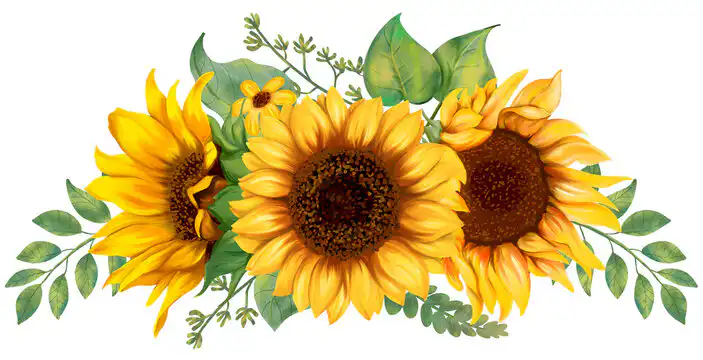
A sunflower (Helianthus annuus) is an annual herbaceous plant in the Asteraceae family, native to North America and renowned for its massive, sun-tracking flower heads that produce edible seeds. These bold, cheerful blooms symbolize loyalty, positivity, and longevity, thriving in summer gardens and serving dual roles in ornamentals, bird food, and oilseed production.
Botanical overview
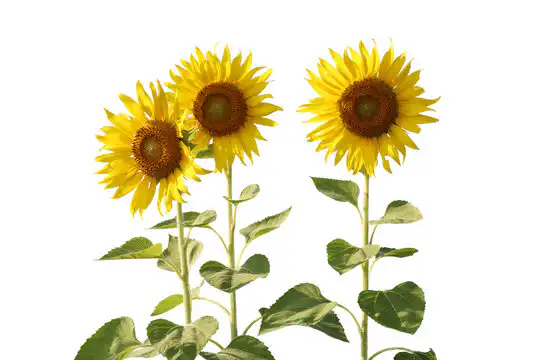
Sunflowers feature a sturdy, hairy stem up to 3–4.5 m tall, broad heart-shaped leaves arranged alternately, and a large composite flower head (capitulum) 10–40 cm wide. The head consists of bright yellow ray florets surrounding hundreds of disc florets that develop into striped seeds.
- Key traits: Young plants exhibit heliotropism, turning heads to follow the sun east to west; mature heads face east to attract pollinators. A deep taproot (up to 1.5–3 m) accesses water, with lateral roots spreading widely.
- Life cycle: Fast-growing annuals sown in spring, flowering midsummer to autumn, with seeds ripening as heads droop.
Taxonomy and varieties
Helianthus annuus belongs to a genus of about 70 species, mostly perennials from the Americas. Cultivars range from dwarf (30–60 cm) to giants (over 4 m), with branching or single-stem types for gardens, oil, or confectionery seeds.
- Main groups: Ornamental (pollenless, multi-bloom), oilseed (small black seeds), confectionery (large striped kernels).
Cultivation and care
Sunflowers demand full sun, fertile, well-drained soil (pH 6–7.5), and moderate water, tolerating drought once established. Sow seeds directly 2–3 cm deep after frost risk, thinning to 45–90 cm apart; support tall varieties against wind.
- Tips: Pinch for bushiness, mulch to suppress weeds, watch for slugs and birds; harvest seeds when backs yellow and birds arrive.
- Zones: Annuals in most climates (zones 4–9), self-seeding in mild areas.
Uses and economic role
Sunflowers yield oil (high in vitamin E), seeds for snacks/birdfeed, and biomass; flowers attract bees and add height to borders or screens. Cut heads last indoors; stalks make natural dyes or livestock fodder.
Symbolism and appeal
Representing adoration and happiness, sunflowers uplift gardens and gifts, evoking Van Gogh’s paintings and summer vibrancy.

Valentine’s Day Roses Collection – Luxury Bouquets by Online Flower Company
May – a month which welcomes an abundance of flowers, but there is one stem whose return truly sets hearts aflutter. From late April the peony, cel…

Seasonal favourite: Peonies
Whether it’s the hue of a precious gem or a stem that reminds them of a special time or place – our florists take inspiration from a plethora of su…

How to dress a festive table
For those of you hosting this Christmas, read on; it’s time to polish up the cutlery, bring out the china plates, and brush up on our top tips on…