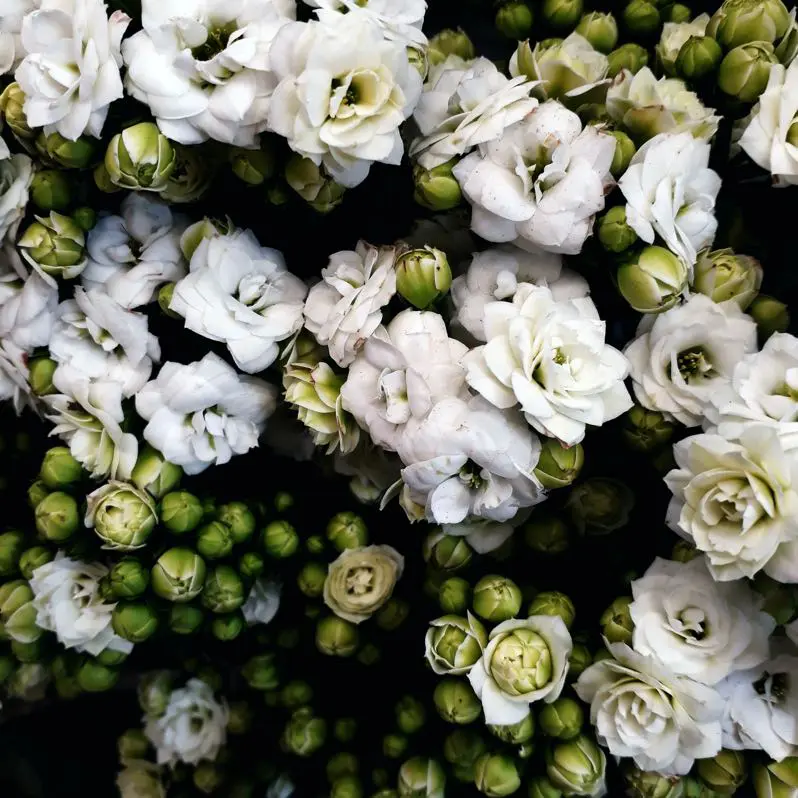
Bouvardia (Bouvardia spp., primarily B. longiflora and hybrids) is a tender evergreen or semi-evergreen shrub in the Rubiaceae (coffee) family, native to Mexico and Central America, grown for its clusters of fragrant, star-shaped tubular flowers that add delicate elegance to summer borders, containers, and especially bridal floristry. These compact plants reach 0.9–1.8 m tall and wide with whorls of glossy, lanceolate leaves (5–10 cm long) along upright stems, producing terminal cymes of 2–4 cm blooms in white, pink, red, orange, or yellow from spring through fall, attracting hummingbirds, bees, and butterflies with abundant nectar.
Botanical Characteristics
Bouvardia features opposite or whorled, dark green leaves with prominent veins, creating a lush framework for flowering stems that branch freely. Flowers are salverform—long tubes (3–4 cm) flaring into four or five spreading, star-like petals—with exserted stamens and style; calyces are persistent and often colorful in hybrids; fruits are small capsules with numerous seeds.
- Floral traits: Intensely fragrant (night-scented varieties strongest); sequential blooming; hummingbird-adapted.
- Growth habit: Bushy, multi-stemmed; brittle wood requires shelter.
Taxonomy and Classification
The genus includes ~30 species, with horticulture centered on B. longiflora (white, fragrant), B. ternifolia (firecracker bush, scarlet), and hybrids like Estrellita series (‘Little Star’ compact orange/red); Rubiaceae ties link to gardenias/coffee.
Cultivation Practices
Bouvardia thrives in full sun to part shade, acidic, well-drained fertile soil (pH 6.0–6.5), zones 8–11 (annual or houseplant north); plant post-frost, space 0.6–1 m; prune by one-third in spring for bushiness. Water moderately, fertilize bloom-booster monthly.
- Maintenance: Drought-tolerant once established; overwinter indoors at 10–15°C.
- Challenges: Whiteflies/mealybugs; root rot—avoid wet feet.
Floristry and Economic Uses
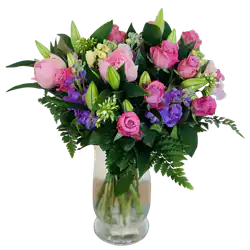
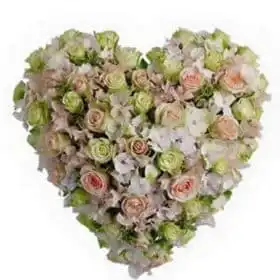
Bridal staple (vase life 7–14 days); fragrant white clusters for romance; introduced to UK 1854.
Cultural and Symbolic Significance
Named for French physician Charles Bouvard, its trumpet blooms symbolize enthusiasm, passion, and zest for life in floriography—gifted for celebrations evoking fiery spirit and tender affection. Mexican heritage ties to hummingbird lore (firecracker bush lures pollinators like living jewels), while Victorian brides cherished longiflora’s creamy stars for purity amid fireworks-like reds/oranges. Modern UK gardeners grow compact hybrids in pots for patios, bridging tropical allure with hardy pollinator support; fragile stems mirror life’s brittleness, yet enduring fragrance embodies resilient joy through seasons, perfect for wedding arches where it pairs eternally with roses.