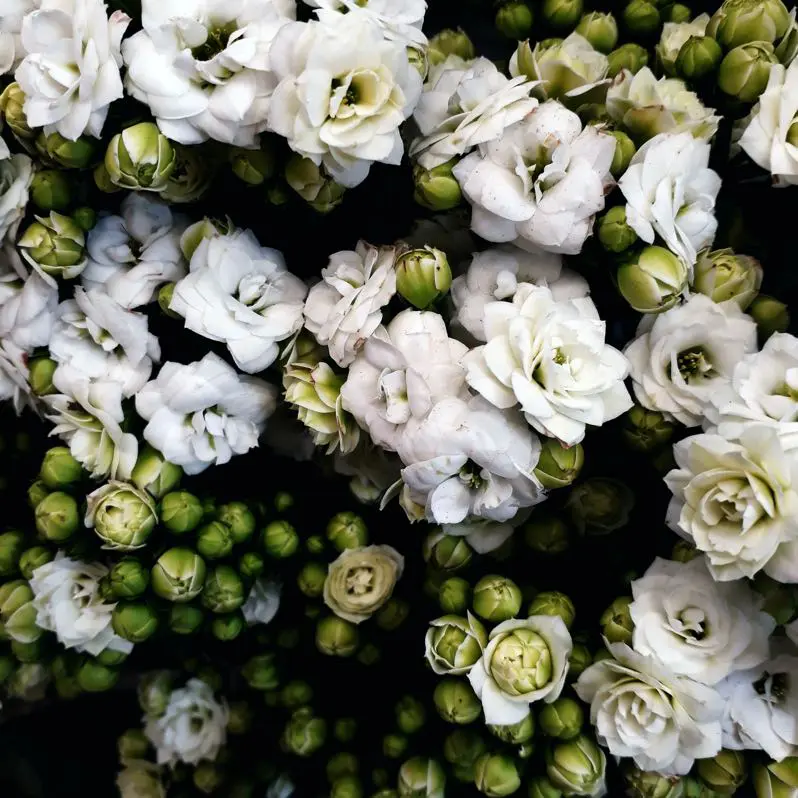
Campanula, commonly known as bellflower, encompasses over 300 species of herbaceous perennials, annuals, biennials, and subshrubs in the Campanulaceae family, primarily native to the Northern Hemisphere’s temperate regions including Europe, Asia, and North America. These plants range from low-growing mat-formers (10–20 cm) to tall border types (up to 2 m), featuring bell-, star-, or cup-shaped flowers in blues, purples, pinks, and whites that bloom from late spring to autumn, attracting pollinators and thriving in cottage gardens, rockeries, and borders.
Botanical Characteristics
Campanula produces rosettes of lanceolate to ovate leaves (basal broader, stem narrower), often toothed or hairy, with smooth or upright stems bearing terminal racemes, panicles, or solitary flowers. Individual blooms (2–5 cm) are tubular to rotate with five fused petals splitting into lobes, five stamens, and an inferior ovary yielding dry capsules; some fragrant, others not.
- Floral diversity: Bell-shaped (C. persicifolia), starry (C. carpatica), clustered (C. glomerata); colors predominantly blue-violet.
- Growth habit: Clump- or rhizomatous-spreading; fine to medium texture.
Taxonomy and Classification
The genus divides into sections by habit: low alpines (C. portenschlagiana), upright perennials (C. lactiflora, C. latifolia), biennials (C. medium, Canterbury bells), and trailers (C. poscharskyana). Key species include C. persicifolia (peach-leaved) and natives like C. rotundifolia (harebell).
Cultivation Practices
Campanula prefers full sun to partial shade, moist but well-drained, fertile soil (pH neutral-alkaline, calcareous ideal), zones 3–9; propagate by seed, division, or cuttings. Deadhead for rebloom; divide every 3 years.
- Maintenance: Drought-tolerant once established; low fertility needs.
- Challenges: Slugs, powdery mildew—ensure air circulation.
Floristry and Economic Uses
Cut flowers (C. medium) for bouquets (vase life 5–7 days); rock garden staples.
Cultural and Symbolic Significance
“Little bell” evokes folklore (fairies, healing); cottage garden classics.