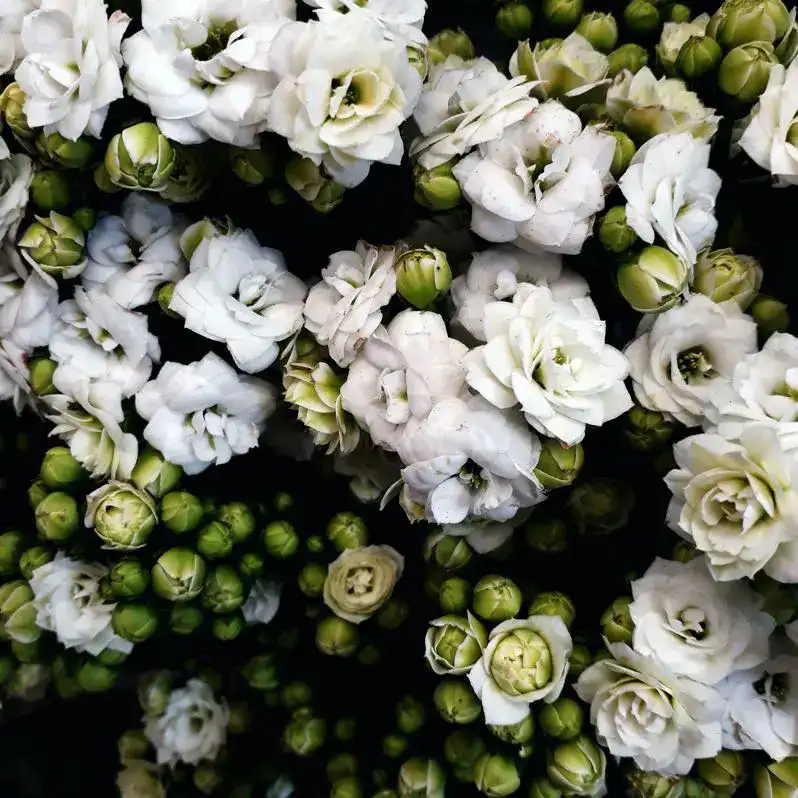
A hellebore (Helleborus spp.) is a rhizomatous or caulescent herbaceous perennial in the Ranunculaceae family, native primarily to Europe and western Asia, valued for its early winter-to-spring blooms that emerge through snow amid leathery evergreen foliage. These shade-tolerant plants form basal clumps 20–90 cm tall, producing nodding, cup- or saucer-shaped flowers (4–8 cm across) with five petal-like sepals in shades of white, green, pink, purple, or near-black, surrounding a central nectary ring.
Botanical Characteristics
Hellebores feature palmately divided leaves (3–15 leaflets, often serrated or spiny), glossy and evergreen in most species, arising from short rhizomes or above-ground stems (caulescent types like H. argutifolius). Flowers are solitary or in cymes/bracts, with prominent sepals persisting post-fertile petals; stamens surround carpels forming follicles with black seeds dispersed by ants (myrmecochory).
- Floral traits: Nodding orientation; nectar for early pollinators; capsules dehisce summer.
- Growth habit: Clump-forming; slow-moderate rate; toxic alkaloids deter herbivores.
Taxonomy and Classification
The genus Helleborus includes ~20 species, grouped as acaulescent (stemless, e.g., H. orientalis hybrids/Lenten rose) and caulescent (stemmed, e.g., H. foetidus stinking hellebore, H. argutifolius Corsican). Hybrids (H. × hybridus) dominate gardens with diverse colors; H. niger (Christmas rose) earliest bloomer.
Cultivation Practices
Hellebores thrive in partial to full shade, humus-rich, well-drained neutral-alkaline soil (pH 6.5–7.5), zones 4–9; plant crowns at soil level, mulch for moisture. Self-seed; divide post-bloom sparingly.
- Maintenance: Low water once established; slug/snail protection key.
- Challenges: Black death virus, leaf spot—remove old foliage pre-bloom.
Floristry and Economic Uses
Cut flowers (vase life 10+ days, sear stems); dried seedheads decorative; evergreen structure year-round.
Cultural and Symbolic Significance
“Lenten rose” ties to early Christian bloom; folklore protection against evil; Victorian serenity symbol.