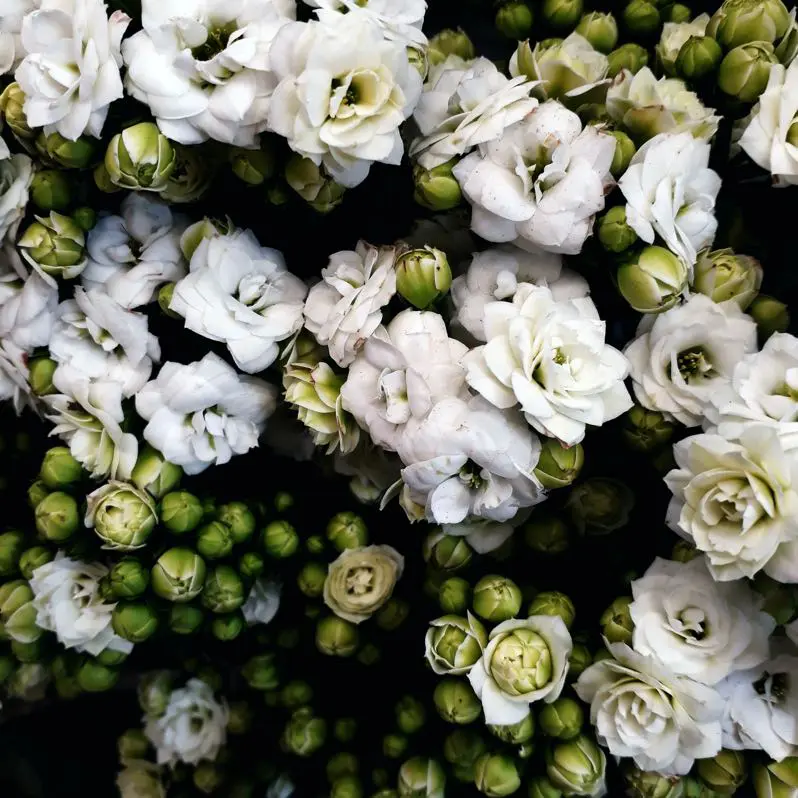
A ranunculus (Ranunculus spp., primarily R. asiaticus) is a herbaceous perennial or annual plant in the Ranunculaceae family, native to the Mediterranean, Middle East, and parts of Asia, renowned for its rose-like, multi-layered blooms with numerous glossy, paper-thin petals. These cup- or rosette-shaped flowers, 2–5 inches across on slender stems 10–24 inches tall, display vivid colors like white, yellow, pink, orange, red, and bicolors, symbolizing radiant charm and attractiveness in floristry and gardens.
Botanical Characteristics
Ranunculus grows from claw-like corms (not true bulbs), producing a basal rosette of alternate, palmately lobed or divided, fern-like leaves with toothed margins, often dying back in summer heat. Flowers emerge solitary or in loose clusters on fuzzy stems, featuring 5 sepals, 5–many petals (up to 130 in doubles), spiral-arranged stamens with black anthers, and numerous achenes in a head; petals reflect light via smooth surfaces for pollinator attraction.
- Forms and traits: Singles (poppy-like), doubles (peony-rose hybrids), with nectar glands at petal bases; non-fragrant but shiny; toxic if ingested due to protoanemonin.
- Habit: Clumping or spreading, 6–24 inches tall/wide, medium growth rate.
Taxonomy and Classification
The genus Ranunculus includes over 1,700 species worldwide, from aquatics to alpines, with horticultural focus on R. asiaticus hybrids (Persian buttercups) and R. repens (creeping buttercup, often weedy). Subfamilies Ranunculoideae; cultivars like Butterfly series offer ruffled, sturdy stems.
Cultivation Practices
Ranunculus prefers full sun, well-drained, fertile soil (pH 6–7), cool nights, and autumn/early spring planting of pre-soaked corms claw-up, 1–2 inches deep, 4–6 inches apart; zones 8–11 perennial, elsewhere annual or lifted. Blooms 70–90 days post-planting for 4–6 weeks; succession sow for continuity.
- Care: Moderate water, mulch roots cool; ethylene-sensitive (bud drop); pests like aphids/slugs, rot in wet soil—use raised beds.
- Forcing: Ideal for greenhouses; dig/store corms dry in cold zones.
Floristry and Economic Uses
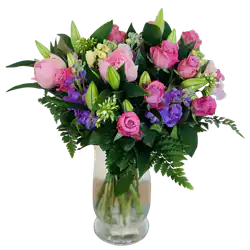
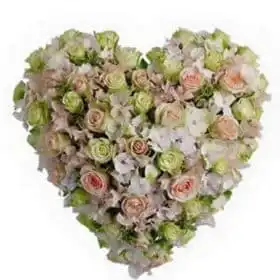
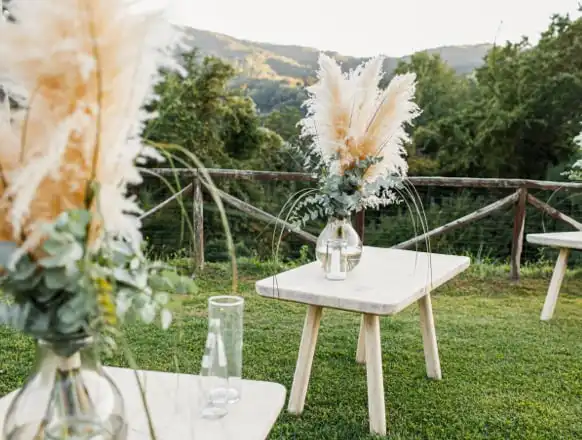
Premium cut flowers (vase life 7–10 days if cut early, cooled), starring in bouquets/weddings for texture; Ecuador/Netherlands major sources. Medicinal history (dried petals for aches), ornamental in pots/borders.
Cultural and Symbolic Significance
Latin “little frog” nods to watery habitats; buttercup chin-test folklore highlights petal shine. Modern emblem of allure, with Ecuador’s Andean climate enabling year-round supply.