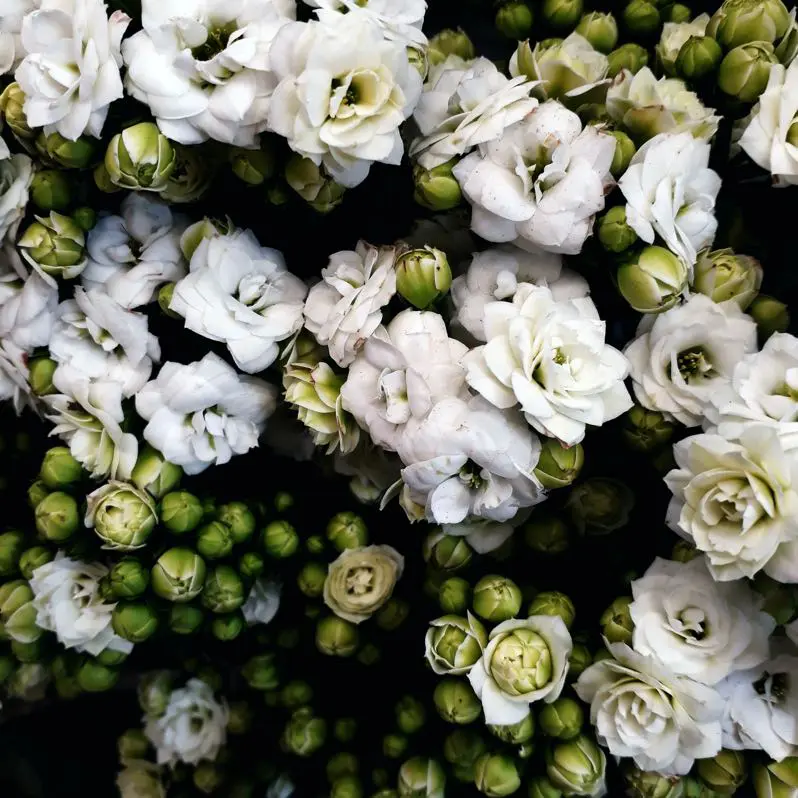
Stock is the common name for Matthiola incana, a cool‑season, biennial or short‑lived perennial in the Brassicaceae (mustard) family, celebrated for its dense spikes of strongly fragrant flowers. It is widely grown as a bedding and cut‑flower crop, especially for spring and early summer displays in temperate climates.
Botanical characteristics
Stock typically forms upright clumps 30–90 cm tall and 30–45 cm wide, with stout, leafy stems and a compact, vertical habit. Leaves are lance‑shaped, grey‑green, and covered in fine hairs that give the plant a slightly hoary or fuzzy appearance.
- Inflorescences: Flowers are borne in dense, terminal racemes toward the tops of stems, each bloom about 2.5–4 cm across. Forms include single and fully double flowers, in colours such as white, cream, pink, lavender, purple, red, and yellow.
- Fragrance and season: Flowers are intensely sweet, spicy, and clove‑like, and bloom mainly from late spring to early or mid‑summer, longer in cool climates. In very mild areas and under cool conditions, flowering can extend into autumn.
Ecology, origins, and classification
Matthiola incana is native to southern Europe and the Mediterranean region, where it grows on cliffs, rocky slopes, and coastal areas. As a member of Brassicaceae, it is related to plants such as wallflowers, cabbages, and mustards, sharing features like four‑petalled flowers and siliqua‑type seed pods.
- Life cycle: In many climates stock behaves as a half‑hardy annual, flowering in its first year and then declining once heat arrives, even though botanically it can be biennial or short‑lived perennial.
- Pollination: The fragrant flowers attract bees, butterflies, and moths, and the species is reported to be self‑fertile as well as insect‑pollinated.
Cultivation and horticultural use
Stock is grown as a cool‑season ornamental for beds, borders, containers, and cutting gardens, particularly in cottage and coastal schemes. It performs best in regions with mild springs and relatively cool summers.
- Growing conditions: Plants prefer full sun in cool climates, or light shade in warmer sites, with average to moderately fertile, well‑drained soil that is neutral to slightly alkaline. They tolerate a range of soils (sandy, loam, even clay) provided drainage is adequate and moisture is consistent.
- Hardiness and culture: Hardy in roughly USDA zones 7–10, stock is often sown or planted for late‑winter to early‑spring establishment so that it can flower before summer heat. Once daytime temperatures regularly reach the upper 20s °C, plants usually stop producing marketable blooms and may decline.
Floristry and economic importance
Stock is an important cool‑season cut flower, appreciated for its strong scent, straight stems, and long, columnar inflorescences. Stems used for floristry generally range from 30–70 cm with 15–20 cm of flower spike.
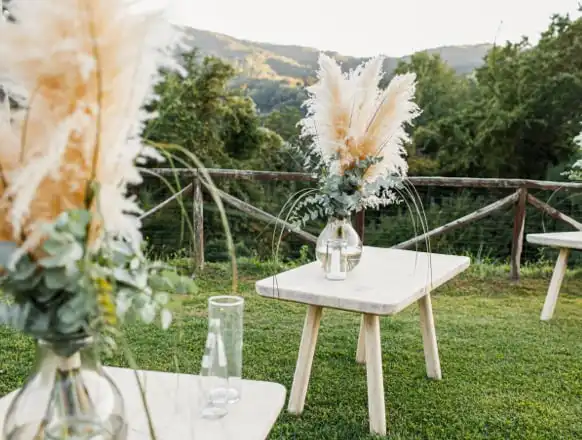
- Cut‑flower traits: Double‑flowered strains are especially prized in the florist trade, though single forms are also grown. The flowers are often used in mixed bouquets, wedding work, and arrangements where clove‑like fragrance is desired.
- Production notes: Unlike some spiked crops such as snapdragons, stock is typically harvested once per plant, as it does not produce strong secondary marketable spikes after the main stem is cut. Good nutrition is important; the crop is sensitive to potassium deficiency, which can cause browning of leaf tips and margins.
Pests, diseases, and management
Stock shares several pest and disease issues with other Brassicaceae. Cultural conditions, particularly temperature and drainage, strongly influence plant health.
- Problems: Potential issues include aphids, flea beetles, downy mildew, and various rots, especially under humid or waterlogged conditions. Excess nitrogen can lead to lush but weak growth and lodging, so balanced fertilisation based on soil testing is recommended.
- Tolerances: Stock is moderately drought tolerant once established and is often noted as deer resistant, while still providing nectar and pollen for beneficial insects.
Symbolism and appeal
Historically known as gillyflower, stock has long been associated with Victorian and cottage gardens, where its perfume was treasured near doors and windows. In modern flower language it often symbolizes lasting beauty, a happy life, and deep affection, which aligns with its role in romantic and nostalgic arrangements.