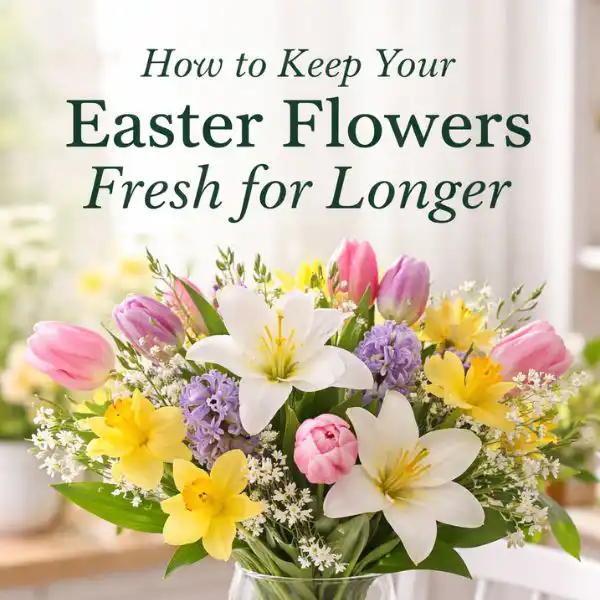


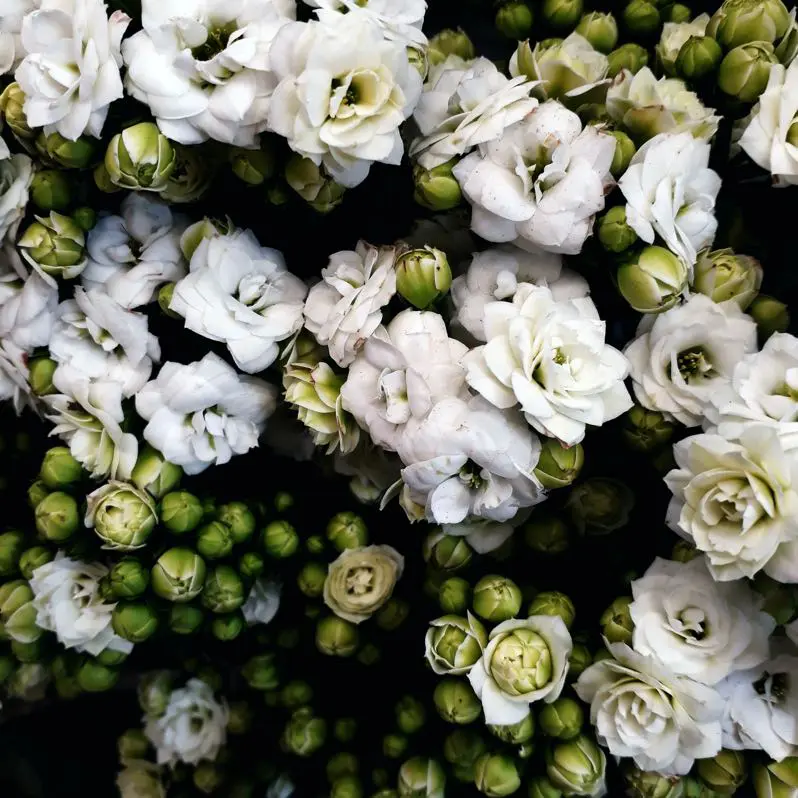
How to Keep Your Easter Flowers Fresh for Longer
Your Easter bouquet arrived looking gorgeous. Here’s how to make sure it still looks that way a week from now.
Easter and fresh flowers just belong together. There’s something about tulips on the dining table, lilies by the window, or a burst of daffodils on the sideboard that makes the whole home feel lighter. These flowers carry meaning too — hope, new beginnings, the warmth of spring finally arriving after a long grey winter.
But cut flowers don’t last forever on their own. The good news? With just a few simple habits, you can keep your Easter blooms looking their best for far longer than you’d expect. No special equipment needed. Just a little care, a little attention, and five minutes every day or two.
Here’s exactly what to do.
Before we get into the practical steps, it helps to understand one simple truth: flowers are living things. From the moment they are cut, they are working hard to stay alive — and how you treat them in the first hours, and every day after that, makes an enormous difference to how long they last.
The three things that matter most:
- Clean water
- A clean vase
- Sharp stem cuts
Everything else builds on those three basics.
Why cleanliness matters so much:
- The number one reason cut flowers die too soon is bacteria growing in dirty water
- Bacteria blocks the stem, stops the flower drinking, and causes that unpleasant smell after a few days
- Keeping things clean is not fussy — it is simply the most effective thing you can do
Why environment matters just as much:
- Flowers dislike heat, strong sun, and cold draughts
- They prefer calm, cool conditions where they can drink steadily without being stressed
- Easter is a tricky time of year — homes are warm from cooking, fires and central heating, and spring sunshine through a window is stronger than it looks
- A few thoughtful choices about where you place your bouquet will pay off all week long
The simple routine to follow:
- Unpack → Trim the stems → Place in water → Change the water regularly → Recut the stems each time
- Follow this and you can genuinely add several extra days of vase life to your Easter flowers
- It takes almost no time at all once you know what to do
2. What to Do in the First 60 Minutes After Delivery
The first hour after your Easter flowers arrive is the most important window of all. How you handle the bouquet in those early minutes sets the tone for everything that follows. Here is exactly what to do:
Open the box straight away:
- Do not leave the box sitting in a warm hallway, sunny porch, or anywhere near a radiator
- Heat builds up inside packaging very quickly — even an hour in a warm spot puts unnecessary stress on the stems
Unpack the bouquet carefully:
- Hold the stems, not the flower heads, when lifting the bouquet out
- Remove all outer packaging — the cardboard wrap, any plastic sleeve, and any paper covering the stems
- If there is a hydration pouch or gel around the stem ends, remove it carefully over the sink and rinse the stem ends with cool water
Let the flowers settle:
- Place the bouquet on a clean, cool surface while you prepare the vase
- Keep them away from direct sunlight and hot appliances at this stage — they just need a calm moment after their journey
Check the condition of the flowers:
- Some stems may look a little soft or droopy after travelling — this is completely normal
- It simply means the flowers are thirsty, not damaged
- Fresh water and a new stem cut will almost always bring them back within an hour or two
Bouquets are packed fresh and dispatched quickly, so your flowers have not been sitting around. They just need a drink — not rescuing.
3. How to Prepare Your Vase Properly
It might seem like a small thing, but the state of your vase matters far more than most people realise. An old vase that has not been thoroughly cleaned can carry invisible bacteria from previous bouquets — and those bacteria will go straight to work on your fresh flowers, shortening their life from the very first day.
Wash the vase with warm water and a small amount of washing-up liquid, then rinse it very thoroughly so there is no soap residue left. Soap in the water is not good for flowers either, so make sure it is completely rinsed away.
Fill the vase roughly halfway to two-thirds full with cool or room-temperature tap water. Do not use hot water — it will encourage bacteria to grow and can shock the stems. In very hard-water areas, some people prefer filtered water, but fresh tap water is perfectly fine in most homes.
If your bouquet came with a sachet of flower food, add it now. Flower food does three things: it gives the flowers a small amount of sugar for energy, it makes the water slightly acidic which helps water travel up the stem more efficiently, and it contains a mild antibacterial agent to slow down bacterial growth. Follow the instructions on the packet and stir or swirl the water well so it fully dissolves.
One important thing to remember: flower food works best when the vase is clean and the water is changed regularly. It is not a magic fix on its own. Think of it as part of a routine rather than a single solution.
4. How to Trim Flower Stems the Right Way
Cutting the stems correctly is one of the most impactful things you can do for your Easter flowers, and it takes less than two minutes. Yet it is the step most people skip — and it makes a real difference. Here is exactly how to do it:
Re-cut the stems as soon as they arrive:
- When flowers travel, the cut ends can dry out and seal up, blocking water intake
- Cut at least 1–2 cm (roughly an inch) from the bottom of each stem, even if they look fine
- This opens the stem back up so the flower can drink properly straight away
Always use a sharp, clean tool
- A sharp pair of scissors, floral snips, or a clean kitchen knife all work well
- Never use a blunt blade — it crushes the stem tissue and makes it harder for the flower to drink
- Wipe the blade clean with hot water before you start
Always cut at a 45-degree angle:
- An angled cut increases the surface area so more water can enter the stem
- It also stops the stem sitting flat on the bottom of the vase where it would be partially blocked
- This small detail makes a real difference over the course of a week
Check for damage while you have the scissors in hand
- Remove any leaves or petals that were damaged during transit
- For roses, gently remove any bruised outer guard petals — this reveals the fresh, full bloom underneath
Check for damage while you have the scissors in hand:
- Remove any leaves or petals that were damaged during transit
- For roses, gently remove any bruised outer guard petals — this reveals the fresh, full bloom underneath
The principle is simple: a clean, angled cut lets water and nutrients travel freely up to the flower head. The flower stays firm, the colour stays bright, and your whole bouquet lasts noticeably longer.
5. Removing Foliage Below the Water Line
This is one of those steps that sounds almost too simple to matter — but it is genuinely one of the most effective things you can do to keep your Easter flowers fresh.
- Any leaves sitting below the water surface will begin to break down within a day or two. As they decompose, they feed bacteria in the water. More bacteria means cloudy water, an unpleasant smell, and flowers that start to deteriorate much sooner than they should.
2. Before you place your stems into the vase, strip off any leaves that would sit below the waterline. You can do this easily with your fingers or a pair of scissors — just work your way down each stem and remove the lower leaves cleanly. Leave the leaves higher up the stem intact so the bouquet still looks full and lush.
This is a thirty-second job that can add days to your bouquet’s life. Do it every time you change the water and re-trim the stems, and you will notice a real difference in how clean and fresh everything stays.
6. Positioning: Light, Temperature and Location
Where you place your Easter flowers in the home has a huge impact on how long they last. The ideal spot is cool, bright, and calm — and it is worth thinking carefully before you simply put the vase on the nearest available surface. Here is what to keep in mind:
Light — bright but not direct:
- Easter flowers love light but not direct sun
- Midday sun falling directly onto the petals is too intense — it heats the water, speeds up wilting, and can bleach or scorch delicate petals
- Bright, indirect light away from the window itself is the sweet spot
Heat and draughts — keep well away from both:
- Radiators, fireplaces, heaters, ovens, and kitchen appliances will all significantly shorten the life of your flowers
- Draughty spots — near a back door or open window — dry out petals and stems faster than you might expect
- The ideal room temperature for most Easter and spring flowers is around 16–22°C
- If your home is particularly warm, move the bouquet to a cooler room overnight and bring it back in the morning
The fruit bowl — an easy one to forget:
- Ripening fruit, especially apples and bananas, releases a natural gas called ethylene
- Ethylene accelerates ageing in many flowers and causes petals to drop sooner
- Simply moving your bouquet to the other side of the kitchen can make a real difference
The practical rule to remember:
- Place your Easter bouquet on the dining table, away from the window and any radiators, in a room that stays reasonably cool
- That one decision alone will serve your flowers well all week long
7. Daily Care Routine (What to Do Each Day)
Think of caring for your Easter flowers the same way you might think of caring for a pet. A little attention every day keeps them happy and thriving for much longer than neglect would allow. The good news is that the daily routine is genuinely quick — ten minutes every couple of days is all it takes. Here is exactly what to do.
Every day:
- Check the water level — flowers drink more than you expect, especially in the first day or two
- Top up with fresh water if the level has dropped, adding a little leftover flower food if you have some
Every 1–2 days:
- Change the water completely and rinse the vase to remove any slime or residue
- Re-trim each stem by cutting a small amount (around half to one centimetre) from the bottom — this reopens the drinking channels and keeps water flowing freely
As needed throughout the week:
- Remove any leaves that fall into the water immediately
- If a stem begins to die before the others, take it out straight away — a decaying stem releases bacteria that will affect the healthier flowers around it
- Give the vase a full clean if the water starts to look cloudy or smell unpleasant, even if it is not yet your usual change day
That is genuinely all it takes. A quick check in the morning, a water change every day or two, and a snip of the stems when you do — and your Easter bouquet will stay fresh and beautiful for as long as possible.
8. Extra Care Tips for Tulips, Lilies, Daffodils and Roses
Different Easter flowers have slightly different personalities, and knowing a little about each one will help you get the most from your specific bouquet.
Lilies are one of the most dramatic and fragrant Easter flowers, and they need just a couple of special considerations. Once the buds begin to open, remove the orange pollen-bearing stamens from the centre of the flower. This prevents the pollen from staining clothes, tablecloths, and surfaces — lily pollen is notoriously stubborn and will leave a yellow-orange mark if it falls. It is also worth noting that lilies are toxic to cats, so if you have a cat in the house, keep the bouquet well out of reach.
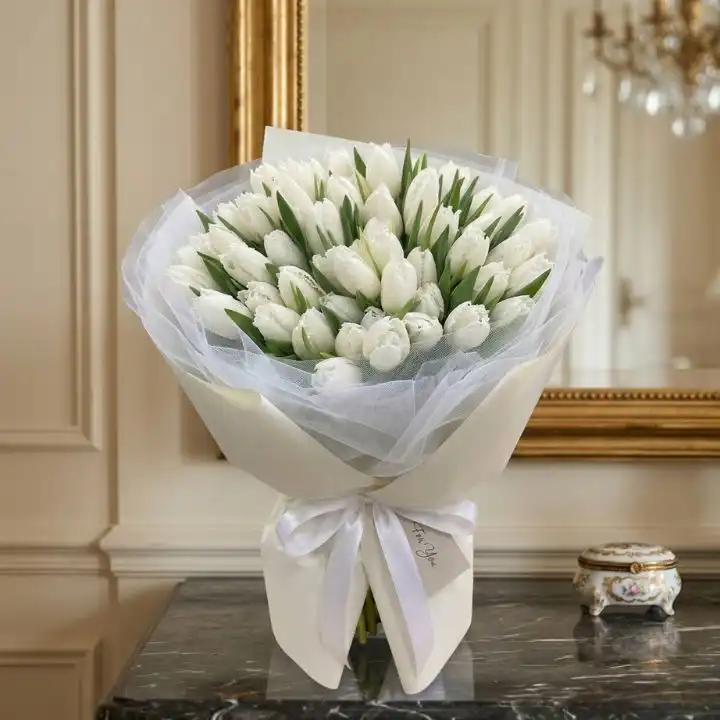
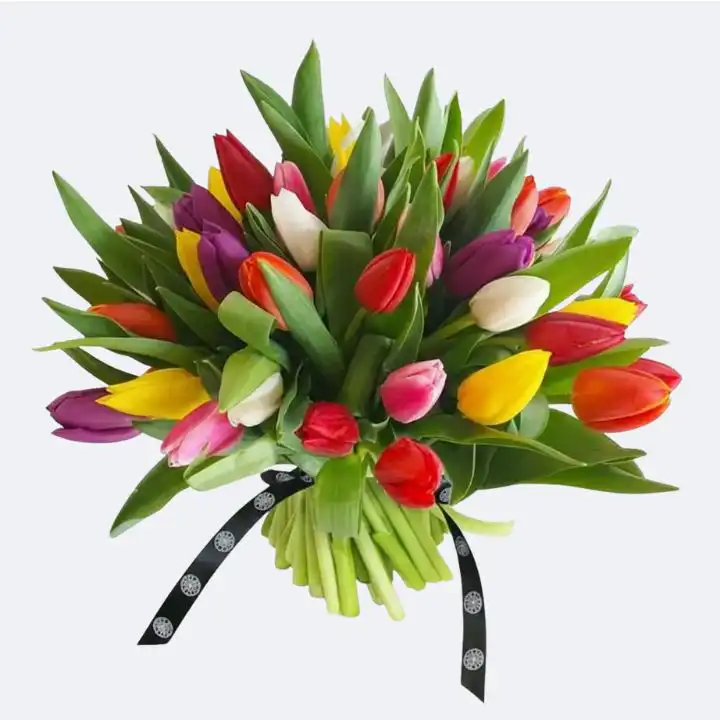
Tulips are wonderfully cheerful Easter flowers but they do have a habit of continuing to grow in the vase, sometimes quite noticeably. They will also tend to bend and lean towards the light source. Use a tall vase that supports the length of the stems, and rotate the vase a little each day to encourage a balanced, upright shape. If tulip stems become floppy, wrapping the bouquet loosely in newspaper and placing it in deep, cool water for a couple of hours can help them straighten up.
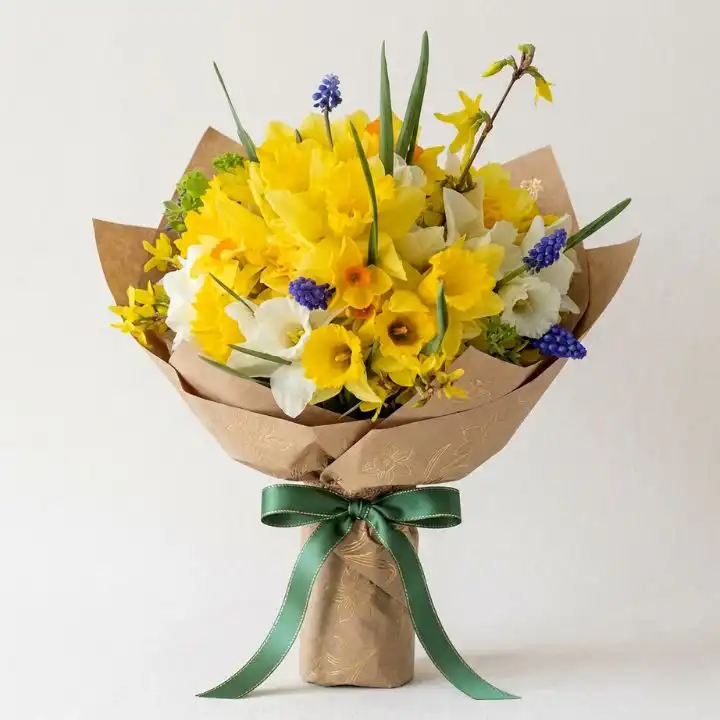
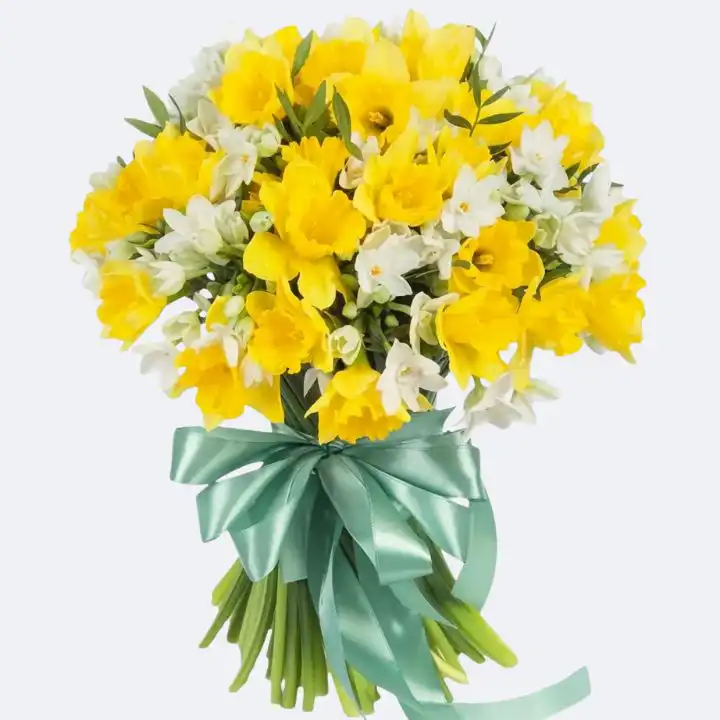
Daffodils are the classic Easter flower, but they do have one quirk worth knowing about. When daffodils are first cut, they release a sap from their stems that can be harmful to other flowers. If your bouquet contains both daffodils and other varieties, it is worth conditioning the daffodils separately first — place them in their own container of water for a few hours before combining them with the rest of the arrangement. This gives the sap time to disperse and means your mixed bouquet will last much longer overall.
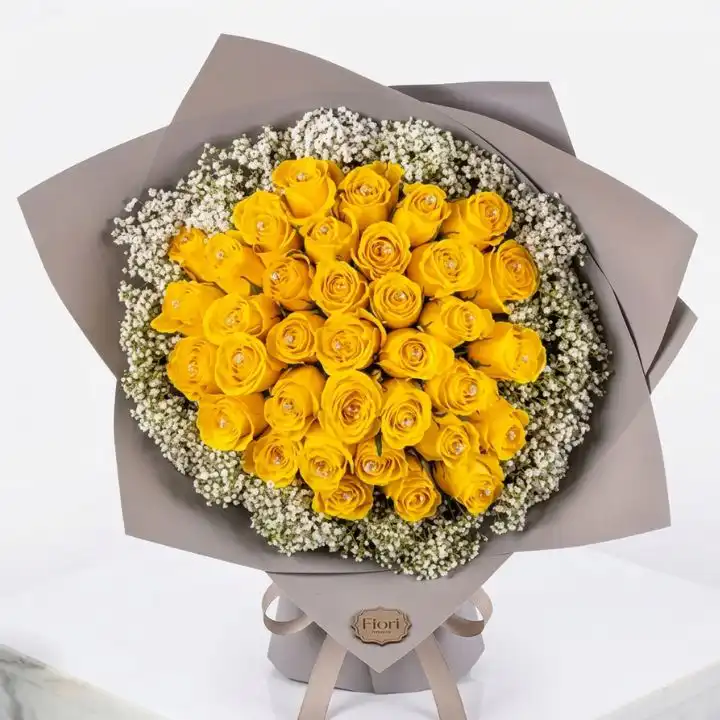
Roses are generous and long-lasting when looked after well. If a rose head droops unexpectedly, do not give up on it — re-cut the stem, place the rose in a tall container of deep, cool water in a cool room, and give it a few hours. It will often revive completely. Remove any leaves that fall into the water quickly, and keep an eye on the outer petals, removing any that start to brown to reveal the fresh bloom beneath.
9. Night-Time and Special Care for Hot Days
The temperature inside a home fluctuates more than we often realise, and your flowers feel every degree of it. A little extra thought during warm spells or overnight can add meaningful time to your Easter bouquet. Here is what to do:
Moving flowers overnight:
- If your home is warm in the evenings — from cooking, guests, an open fire, or good insulation — move your bouquet to a cooler room overnight
- A hallway, spare bedroom, or cool corner of the house works perfectly
- In the morning, bring them back to their spot on the Easter table
On particularly warm days:
- Lightly mist the flower heads with clean, cool water to help them in dry or centrally heated rooms
- Use a gentle, fine spray — do not soak the petals
- Avoid misting near electrical items, wooden furniture, or fabrics that could be damaged by water
Bringing flowers in from a cold space:
- If flowers have been in a cool garage or utility room, do not move them straight into a warm room
- Let them adjust gradually at room temperature first — ideally still in their wrapping
- Sudden temperature changes shock the stems and can cause premature wilting
10. Simple DIY "Flower Food" Ideas (Only If You Want)
If you find yourself without flower food, do not worry — you can make a basic substitute at home using things you likely already have in the kitchen. Here is how to do it safely:
What you need for a basic DIY mix:
- Cool, fresh water as your base
- A small amount of sugar — this gives the flowers energy
- A few drops of lemon juice or clear vinegar — this lowers the pH and helps water travel up the stem more easily
- A single drop or two of household bleach — this controls bacterial growth in the water
Important safety rules:
- Never use strongly scented or coloured cleaning products
- Never mix the solution with any other chemicals
- Keep any DIY mixture safely away from children and pets
- Always rinse the vase thoroughly before refilling
Our honest advice:
That said, the simplest and most effective thing you can do is use the flower food provided with your bouquet. Professional flower food is carefully formulated to do all three jobs — energy, acidity, and antibacterial protection — in exactly the right balance. Pair it with regular water changes and clean stems, and your Easter flowers will last beautifully without any need for home experiments.
11. Reassuring Customers About Your Next-Day Delivery Flowers
Our Easter bouquets are prepared fresh by expert florists and sent by trusted couriers for reliable next-day delivery. Because the flowers are cut and packed close to dispatch, they arrive in excellent condition — alert, fresh, and ready to bloom. They are not tired flowers that have been sitting in a cold store for a week. They simply need a drink to wake up properly after their journey.
Every bouquet is carefully wrapped and protected during transit, with the stem ends placed in a special hydration source so they do not dry out on the way to you. By the time the box arrives at your door, the flowers are already at their best — and with the care steps in this guide, they will stay that way for as long as possible.
Whether you are treating yourself to something beautiful for Easter weekend, decorating your home for guests, or sending a bouquet to someone you love, fresh flowers deserve a little daily attention. Give them that, and they will reward you generously — staying bright, fragrant, and alive long after Easter Sunday has passed.
Fresh From Us, Beautiful in Your Home
At Online Flower Company, every Easter bouquet is hand-arranged and packed fresh before it leaves us — so when it arrives with you the next day, it is already at its very best. From there, these simple steps will help you enjoy every stem for as long as possible.
Whether you are keeping them for yourself or gifting them to someone you love this Easter, your flowers deserve a little daily care — and they will reward you for it.
FAQS
How long do Easter flowers last?
Most Easter flowers last 5–10 days with proper care.
Should I change flower water every day?
Every 1–2 days is ideal to prevent bacteria growth and keep your bouquet fresh.
Why are my flowers drooping after delivery?
They are dehydrated from travel and will recover after trimming and fresh water.