The “Poor Man’s Rose”? Why Carnations Deserve More Respect
By Daniel Johnson (Dan) – Florist Specialist
Table of Contents
There’s a flower sitting quietly in the corner of most flower shops, often overlooked, sometimes underestimated, and almost always underpriced. You’ve walked past it hundreds of times. Maybe you’ve even wrinkled your nose at it, thinking it was the “budget option” — something you’d only pick up when the roses were too expensive or the lilies were sold out.
I’m talking about the carnation.
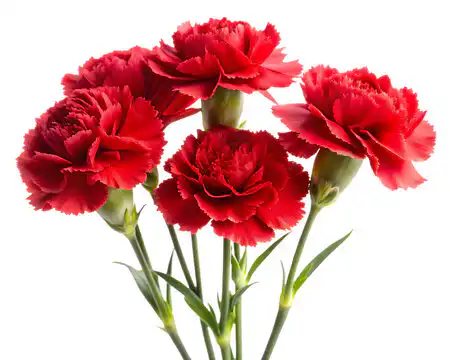
And honestly? As someone who has spent years working with flowers every single day, it’s the one flower I wish more people would take seriously. Because once you understand what a carnation actually represents — its history, its symbolism, its surprising versatility — you’ll never look at it the same way again.
So let’s talk about it. Properly.
Where Did the “Poor Man’s Rose” Nickname Come From?
The carnation earned this rather backhanded nickname for a pretty simple reason: it’s affordable, long-lasting, and widely available. For generations, if you couldn’t afford a bouquet of roses, you’d reach for carnations instead. They filled the same emotional space — romantic, colourful, fragrant — without the price tag.
But here’s the thing nobody talks about: cheap doesn’t mean lesser. It just means accessible.
The carnation (Dianthus caryophyllus, if you want the fancy botanical name) has been cultivated for over 2,000 years. Ancient Greeks and Romans used it in ceremonial garlands. In the Victorian era, carnations were the flower of coded courtship — different colours sent very specific messages between would-be lovers. And in the 20th century, carnations became one of the most politically and culturally significant flowers in modern history (Portugal’s 1974 revolution is literally called the Carnation Revolution, because protesters placed them in soldiers’ rifle barrels).
That’s not a background flower. That’s a flower with depth.
The Carnation vs. The Rose: An Honest Comparison
Let me be straight with you — I love roses. They’re classic for a reason. But if we’re being fair to the carnation, here’s how they actually compare:
Longevity: Carnations win, and it’s not even close. A well-conditioned carnation can last two to three weeks in a vase. A rose, even a beautiful one, typically gives you a week — maybe ten days if you’re lucky and your kitchen isn’t too warm.
Longevity: Carnations win, and it’s not even close. A well-conditioned carnation can last two to three weeks in a vase. A rose, even a beautiful one, typically gives you a week — maybe ten days if you’re lucky and your kitchen isn’t too warm.
Fragrance: Both are fragrant, but carnations have a warm, spicy-sweet scent that’s distinctly their own. It’s softer than a rose, more subtle, and for many people, actually more pleasant in an enclosed room.
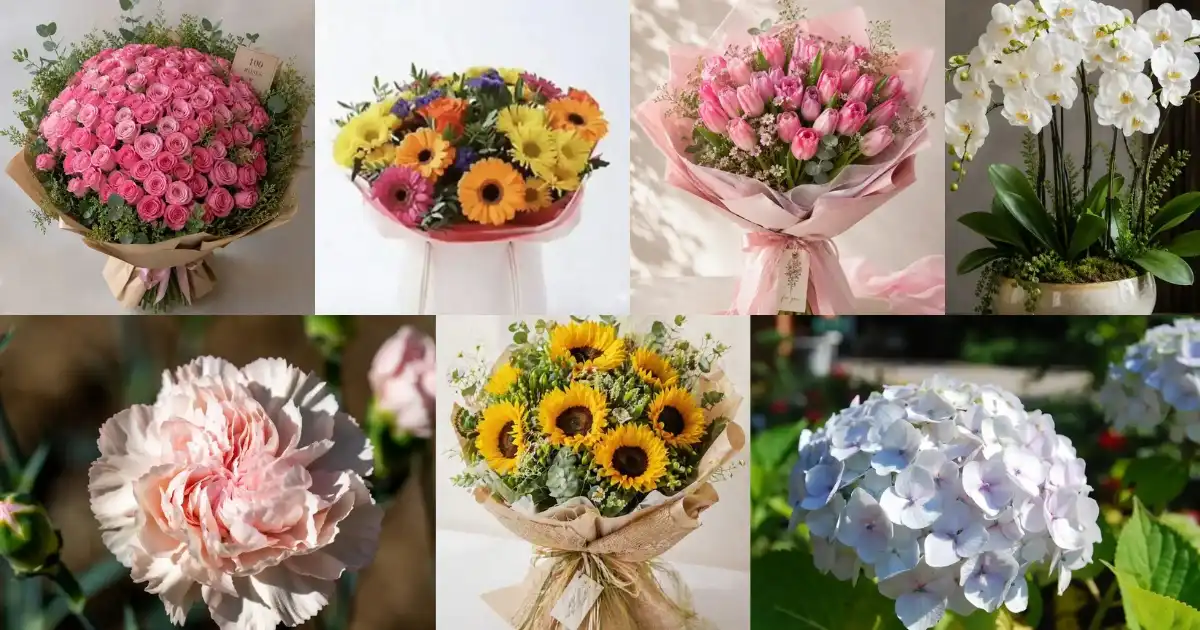
Variety: Carnations come in an extraordinary range of colours — deep reds, blush pinks, vibrant purples, creamy whites, bicolours, striped, edged. You can even dye them, which is why you’ll often see those dramatic blue or rainbow carnations at florists. They absorb colour beautifully.
Price: Yes, carnations are significantly more affordable. But framing that as a negative is a bit like saying a well-made bicycle is inferior to a sports car just because it costs less.
What Carnations Actually Mean (And Why It Matters When You’re Buying Flowers)
Here’s a quick guide to carnation meanings by colour:
Flower symbolism isn’t just trivia — it’s the reason people buy flowers in the first place. We want to say something. We want the gesture to mean something.
- Red carnations: Deep love, admiration, affection — very similar to red roses, actually
- Pink carnations: Gratitude, appreciation, a mother’s love (they’re closely associated with Mother’s Day)
- White carnations: Purity, luck, remembrance — often used in sympathy arrangements
- Yellow carnations: Disappointment or rejection — worth knowing before you send these!
- Purple carnations: Capriciousness, whimsy — unusual and eye-catching
- Striped carnations: Regret, or an “I wish I could be with you” sentiment
Pink carnations in particular carry a beautiful legend. According to Christian tradition, they first bloomed from the ground where the Virgin Mary’s tears fell as she wept during Christ’s crucifixion — which is why they became associated with a mother’s undying love. That’s why they remain one of the most popular choices for Mother’s Day arrangements to this day.
Real Situations Where Carnations Are the Right Choice
Let me walk you through some real-life scenarios, because this is where it gets practical.
“I want to send something beautiful, but I’m on a tight budget this month.”
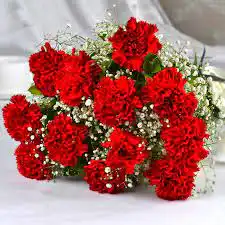
This is probably the most common situation, and it’s nothing to feel awkward about. A full, generous bouquet of mixed carnations — say, a dozen in two or three complementary colours — looks genuinely lush and thoughtful. The petals are full, ruffled, and rich-looking. Nobody receiving a beautiful bunch of fresh carnations is going to think “oh, they went cheap.” They’re going to think “this is lovely.”
Our online flower shop carries carnation bouquets that present beautifully and arrive fresh — often lasting far longer than pricier alternatives.
“I need flowers for a hospital visit, but I know some hospitals restrict certain flowers due to allergies or pollen.”
Carnations are an excellent choice here. They’re low-pollen, low-allergen, and widely permitted in medical settings where lilies and some other flowers are banned. They’re cheerful without being overwhelming, and their longevity means the patient gets to enjoy them through their recovery.
“I want to do something really creative with flowers at home.”
This is where carnations genuinely shine. Because they’re so receptive to food dye dissolved in their water, you can create stunning colour-split or rainbow carnations at home with just a bit of patience and a sharp knife. It’s a fantastic activity to do with kids, and the results look incredible. Just split the stem halfway up, place each half in a different coloured water, and wait 24–48 hours.
“I’m sending sympathy flowers after a bereavement.”
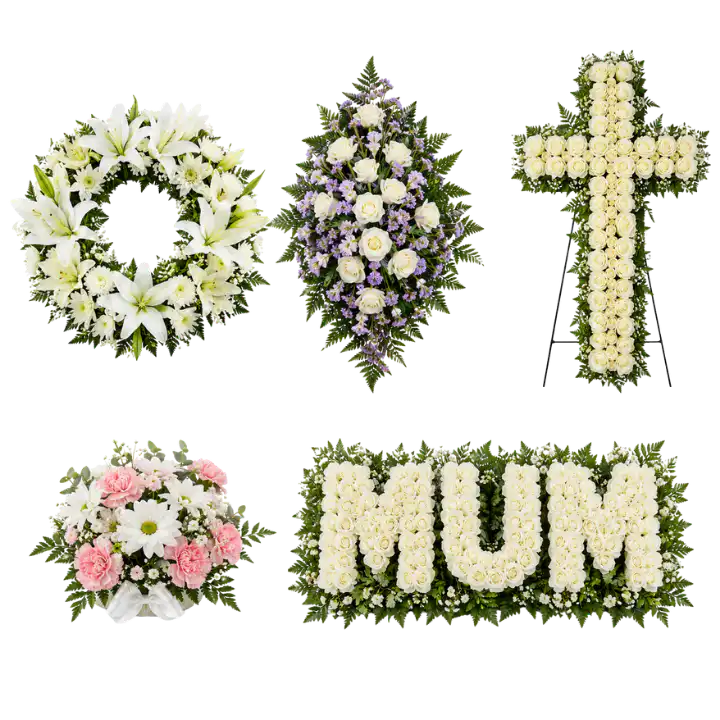
White carnations are one of the most appropriate and dignified choices for sympathy. They’re understated, genuinely beautiful, and carry a message of respect and remembrance. Mixed with greenery and soft white roses if budget allows, a sympathy arrangement built around white carnations can be deeply touching.
An Insider’s Tip: How to Make Carnations Look Expensive
Here’s something I’ve learned from years at the bench: presentation is everything. A single type of flower, arranged densely, always looks more expensive than a mixed bunch assembled without thought.
If you’re arranging carnations yourself:
- Cluster them tightly — don’t spread them out. A tight cluster of 15 carnations looks far more luxurious than the same 15 carnations spaced loosely in a wide vase.
- Mix textures, not just colours — add eucalyptus, ruscus, or even some sprigs of wax flower around them. The greenery frames the carnations beautifully.
- Use a low, wide vase — tall carnations in a slim vase can look a bit sparse. A low bowl arrangement or a wide-mouthed vase filled with heads at varying heights looks abundant and intentional.
- Cut the stems on an angle and change the water every two days. Carnations are thirsty and they’ll reward you with an extra week of life if you look after them properly.
Why Florists Quietly Love Carnations
I’ll let you in on something. Most florists — the ones who’ve been doing this long enough to form real opinions — have a soft spot for carnations. Not because they’re the flashiest flower in the shop, but because they’re reliable, expressive, and genuinely beautiful when treated with care.
When I’m putting together arrangements for events, I often use carnations as the “body” of a design — filling space, adding colour, providing texture — while the roses or lilies serve as focal points. The result is a fuller, longer-lasting arrangement at a better price point for the client. It’s a win for everyone.
And I’ve seen carnations hold their own as the star of an arrangement too. A monochromatic bouquet of deep burgundy carnations, stems wrapped in kraft paper and tied with twine? That’s not a budget bouquet. That’s editorial. That’s something you’d see in a style magazine.
The Verdict
The carnation has carried the “poor man’s rose” label for long enough. It’s time to retire that nickname — or at least reframe it.
Yes, carnations are affordable. Yes, they’re accessible. But that makes them generous, not lesser. A flower that lets more people give and receive beauty, that lasts longer, that carries centuries of meaning, and that works in almost any context — that’s not second-best. That’s quietly exceptional.
If you’ve been overlooking carnations, give them another look. And if you’d like to send a bouquet that’s built around these extraordinary flowers, Online Flower Company has some genuinely lovely options — delivered fresh, right to the door.
Sometimes the most underestimated choice turns out to be the most thoughtful one.
— Dan

What is the best flower delivery company in the UK?
Flowers can make any occasion memorable. They show care, love, or sympathy without words. Finding the best flower delivery company in the UK is not
Rainbow Tulip Bouquet – A Vibrant Gift for Every Special Occasion (Next Day UK Delivery Available)
Looking for the perfect way to brighten someone’s day? Our Rainbow Tulip Bouquet is a stunning and joyful arrangement that makes an unforgettable gift for
Purple and White Flower Bouquet – A Timeless Gift for Every Occasion Next-Day UK Delivery
Looking for a meaningful gift that speaks volumes without saying a word? Our Purple and White Flower Bouquet is a stunning arrangement that combines elegance,