The Complete Guide to Rose Flowers: History, Types, Care, Meaning & Uses

What Is a Rose Flower?

The Science Behind the World’s Most Beloved Flower

The rose is a woody perennial flowering plant belonging to the genus Rosa and the family Rosaceae. There are over 100 to 300 species within the Rosa genus, and from these have emerged thousands of cultivars and hybrids developed through centuries of selective breeding.

Botanically speaking, roses exist in both wild and cultivated forms. Some species grow naturally in the wild, while many others survive exclusively through garden cultivation and commercial farming.

What Does a Rose Plant Actually Look Like? — From Small Bushes to 7 Metre Climbers!

Most roses grow as shrubs or bushes, but certain species and cultivars behave as climbers or ramblers capable of reaching heights of 5 to 7 metres when trained along a wall or structure.

The majority of rose plants have thorns—more accurately called prickles—which serve two purposes: protecting the plant from animals and helping climbing varieties grip their supports. That said, a handful of species are almost completely thornless.

Because roses are perennial plants, they live for many years. Once established with proper care, a single rose plant can continue producing flowers and new growth for decades—a quality that gardeners deeply value.

Colours, Fragrance, and Visual Charm — Nature's Most Diverse Floral Palette

Naturally occurring roses come in white, light pink, deep pink, red, yellow, and orange. Through hybridisation, growers have extended this palette to include cream, peach, bi-colour, and striped varieties—though a “true blue” and “pure black” rose have never been achieved in nature.

The fragrance of roses is just as varied as their colours—ranging from the classic old-rose scent to tea-like tones, fruity notes, spicy warmth, and even musky undertones.

History of Rose Flower

The 35-Million-Year Journey

Older Than Humanity Itself

According to researchers, the oldest fossil evidence of roses suggests they have existed on Earth for at least 35 million years—long before humans appeared. This means the rose predates our entire species.

A 5,000-Year Cultivation History

From China's Royal Gardens to the Mediterranean 

  • China — The Royal Beginning: Historical records trace the first organised cultivation of roses to ancient China during the Zhou Dynasty (1046–256 BCE). Even the philosopher Confucius wrote about them in his works.
  • Persia and the Mediterranean — The Fragrant Tradition: Around 500 BCE, roses became prized in ancient Persia (modern-day Iran) for their oils and perfumes. For the Romans, the rose was a symbol of luxury and status.

The Silk Road and the Global Spread

How the Rose Conquered the World

The famous Silk Road played a remarkable role in the story of the rose flower . It brought Eastern rose varieties from China into contact with Western varieties in Europe and the Middle East, leading to the creation of the improved hybrids we see today.

History of Rose Flower

The Complete Guide to Rose Flowers: History, Types, Care, Meaning & Uses

The Queen of Bouquets

Hybrid Tea Rose

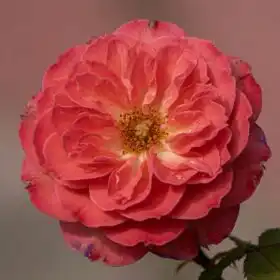
The classic florist’s rose. A single large, perfectly formed bloom on one long stem. Ideal for bouquets and gifting.

Floribunda Rose

A Festival of Colours

Floribunda Rose

Medium-sized flowers that grow in clusters. Prolific and fantastic for creating bold displays of colour in the garden.

English Rose

David Austin’s Fragrant Dreams

English Rose

Large, bushy plants with full, multi-petalled romantic blooms. Usually intensely fragrant and repeat-flowering throughout the season.

Climbing & Rambling Roses

The Magic of Floral Waves

Climbing & Rambling Roses

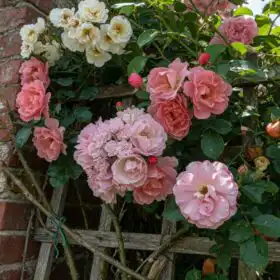
  • Climbing Rose: Long, flexible canes for walls and arches.
  • Rambling Rose: Perfect for covering old trees or large structures with a single, massive wave of flowers.
Miniature & Patio Roses

Small Pots, Big Beauty

Miniature & Patio Roses

Compact and container-friendly. Great for small gardens, balconies, or windowsills.

The Meaning & Symbolism of Rose Colours

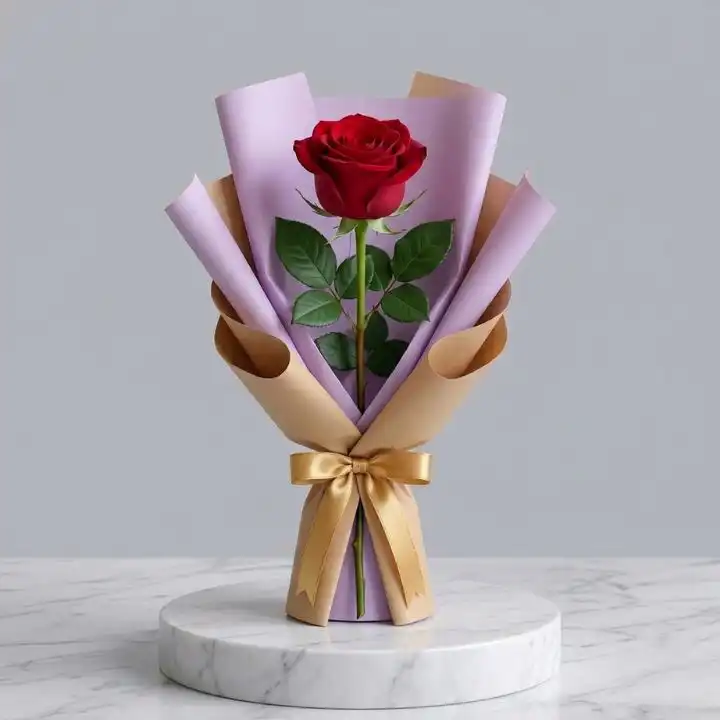
A premium red single rose with a long green stem and delicate velvet petals against a clean background.
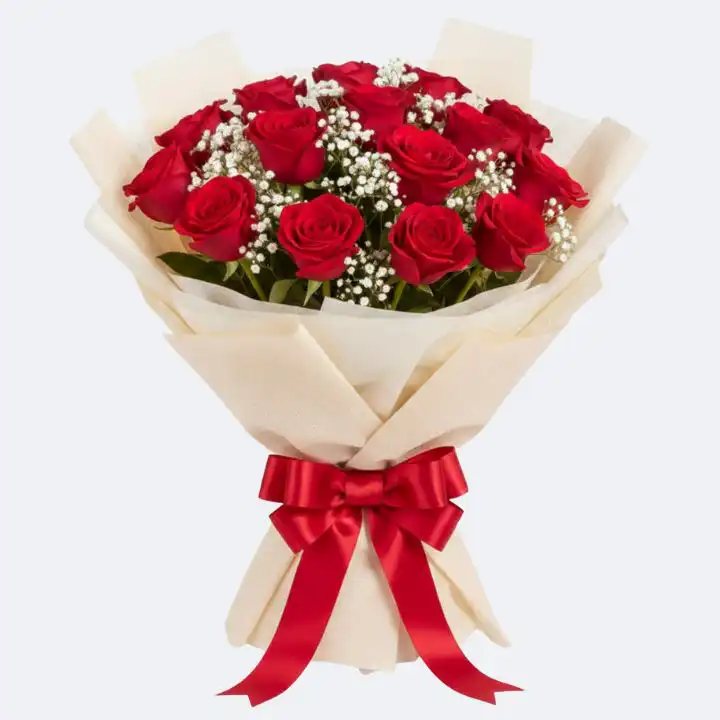
Hand-tied luxury bouquet of 12 red roses with gypsophila wrapped in premium cream paper with a red ribbon

The Ultimate Language of Love

Red Rose

  • 1 Rose: A personal message: “You are the one.”
  • 12 Roses (A Dozen): The classic romantic gift for proposals or anniversaries.

Best Moments: Valentine’s Day, engagements, or a romantic apology.

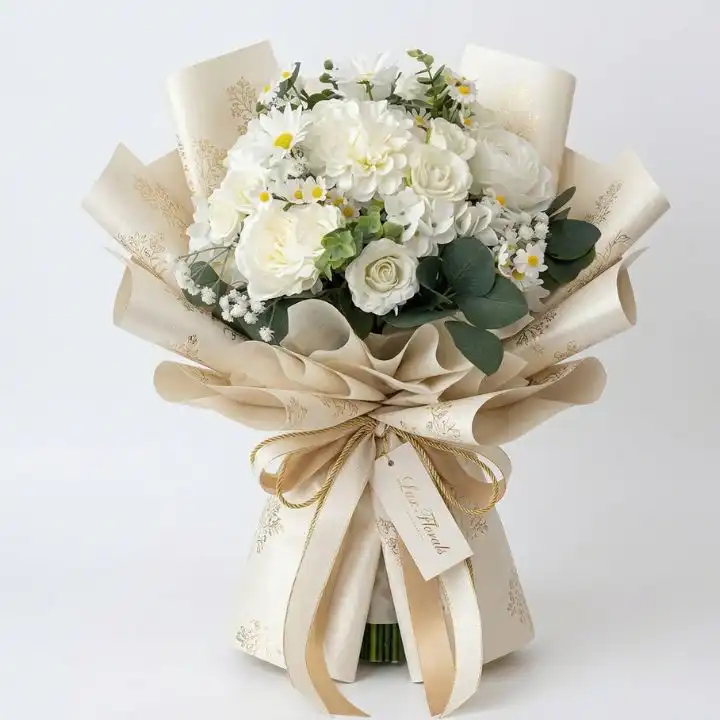
A stunning white rose and daisy bouquet elegantly arranged in a cream luxury textured paper wrap with a gold ribbon.
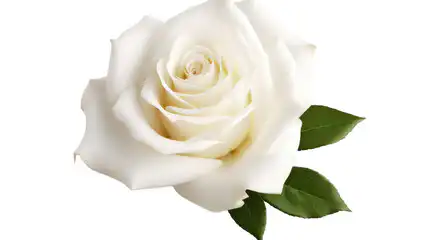
white rose

Purity, Peace, and Elegance

White Rose

  • Meaning: Represents innocence, grace, and spiritual beginnings.
  • UK Special: Historically significant as the White Rose of York.

Best Moments: Weddings, baptisms, or as a respectful tribute at funerals.

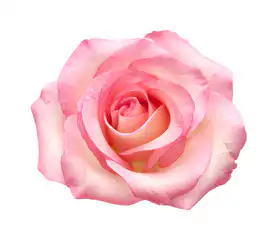
pink rose
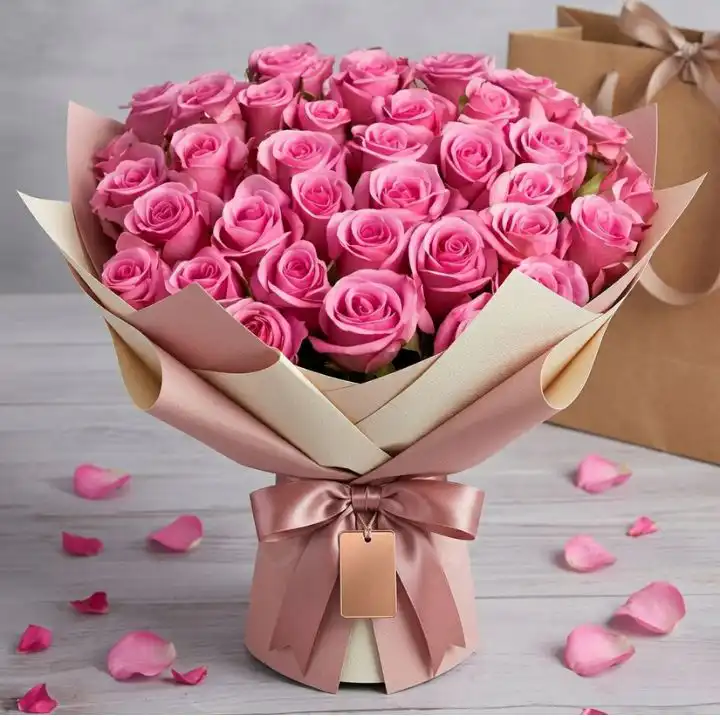
Hand-crafted 50 pink roses bouquet with lush greenery in a premium luxury wrap.

Warmth, Gratitude, and Gentle Affection

Pink Rose

    • Light Pink: Represents shy, new affection or a soft “thank you.”
    • Deep Pink: A symbol of pride and strong admiration.

Best Moments: Mother’s Day or thanking a mentor.

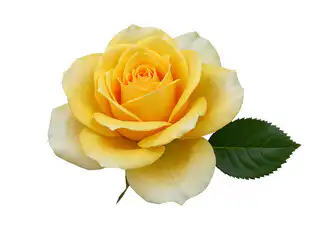
yellow rose
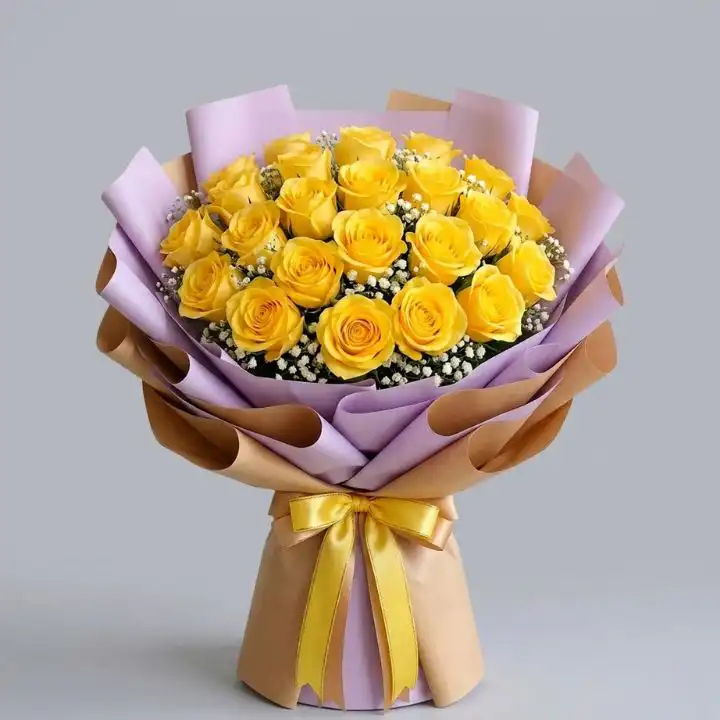
A vibrant yellow rose bouquet wrapped in elegant paper, perfect for spreading joy and friendship.

Friendship and Sunshine

Yellow Rose

  • In modern times, yellow roses are the perfect “HR-safe” or office-friendly gift. They represent joy and positivity without any romantic misinterpretation.

Best Moments: Birthday, Mother’s Day,  Anniversary, other’s Occasions 

How to Grow & Care for Roses

Best Tips for Rose Flower

 The Perfect Soil — Loam or Clay?

Roses thrive in deep, loose, well-draining loam soil. Avoid heavy clay (which causes root rot) or overly sandy soil (which drains too fast).

The Magic of N-P-K — Fertilising the Right Way

Roses are “heavy feeders.” They need:

  • Nitrogen (N): For lush green leaves.
  • Phosphorus (P): For strong roots and flowers.

Potassium (K): For overall health and disease resistance.

Watering Rules — Stop These Common Mistakes!

Water at the base of the plant, not on the leaves. Deep, infrequent watering is much better than shallow daily sprinkling.

The Three Secrets: Mulch, Drainage, and Airflow

  • Mulch: Retains moisture and suppresses weeds.
  • Airflow: Keeping the centre of the bush open prevents diseases like Black Spot and Powdery Mildew.

Disease & Pest Management

Spotting the Symptoms

  • Black Spot: Dark patches with yellow rings.
  • Powdery Mildew: A white, flour-like coating on buds and leaves.
  • Aphids (Greenfly): Small insects that cluster on young shoots.

Eco-Friendly Protection

Avoid heavy chemicals. Use Neem-based sprays or mild insecticidal soaps. Catching problems early through weekly inspections is the best defense.

Benefits & Uses of Rose

A Thousand-Year Beauty Secret

Rose Water & Skincare

  • Facial Toner: A natural, alcohol-free way to hydrate and soothe the skin.
  • DIY Spa: Use it in face masks or as cooling eye pads to reduce puffiness.

Why It's Called "Liquid Gold"

Rose Oil

It takes thousands of petals to produce a small amount of Rose Essential Oil. It’s used in high-end serums for its anti-ageing and calming properties.

Rose Tea & Health

  • Digestion: Traditional herbal medicine uses rose tea to soothe stomach issues.
  • Vitamin C: Rosehips (the fruit of the rose) contain more Vitamin C than oranges!

Rose in Culture & Occasions

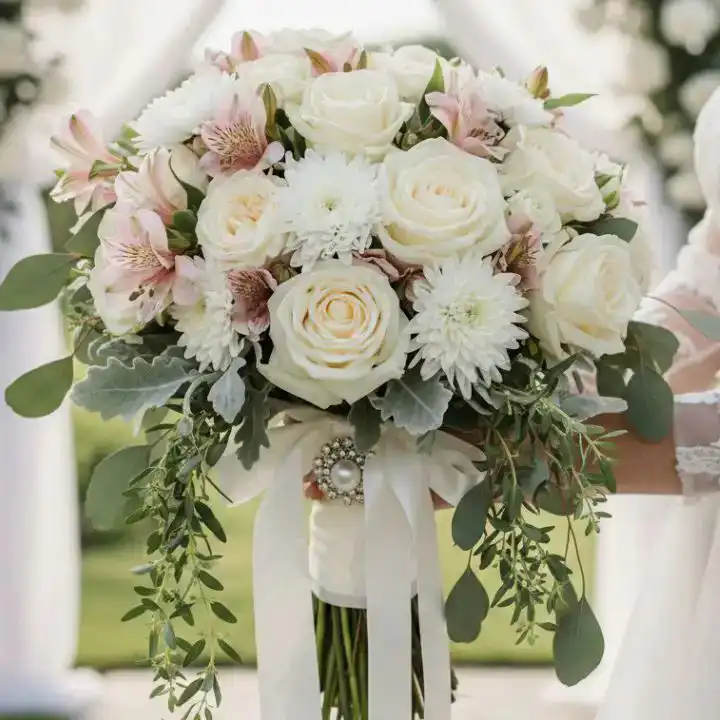
Hand-tied roses and alstroemeria bouquet arranged with fresh greenery in a stylish professional floral display.

Weddings:

From Church to Barn Venues

In the UK, white or blush roses remain the top choice for bridal bouquets, symbolizing elegance and tradition.

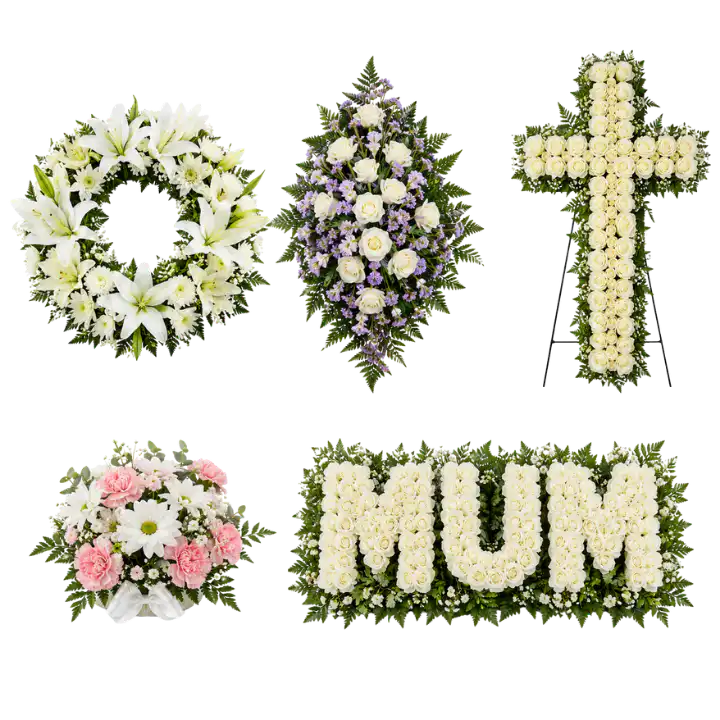
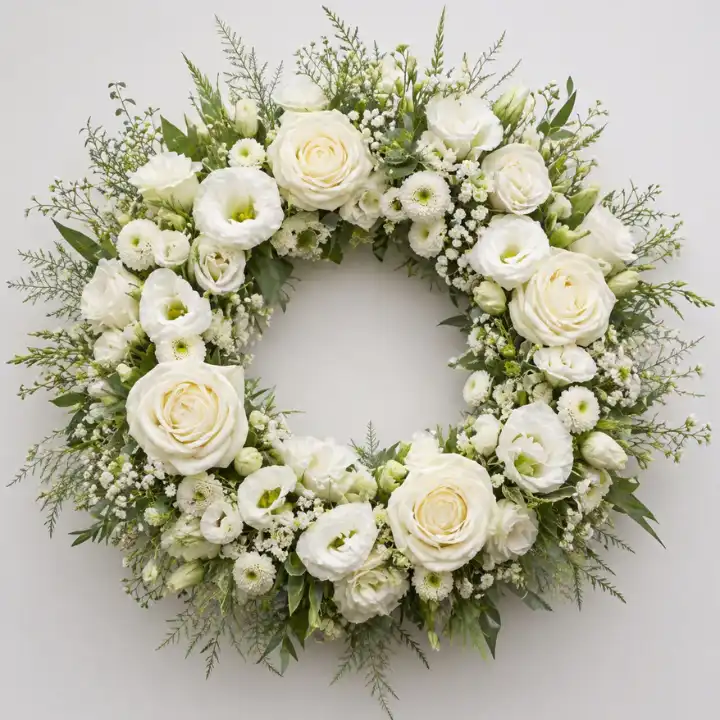
Custom White Flower Blanket for Funeral Casket featuring beautiful Phalaenopsis Orchids and a bed of Chrysanthemums.

Funerals:

The Silent Language of Respect

White roses represent eternal peace, while a single red rose placed on a coffin signifies an everlasting bond of love.

Interesting Rose Facts

  • Ancient Survivors: Roses have been around since the time dinosaurs disappeared.
  • Tudor Rose: The national emblem of England, born from the bloody “Wars of the Roses.”

Perfume Factories: Every petal has microscopic glands that act as tiny perfume factories.

FAQs (Frequently Asked Questions)

No, they are actually very dark maroon or purple. Nature does not produce true black pigment in roses; however, some varieties are bred to look remarkably close to black.

Roses have thorns (technically called prickles) to protect themselves from animals that might eat them and to help climbing varieties grip and anchor themselves to structures or other plants.

The Damask Rose is world-famous for its intense scent. It is widely used in the perfume industry and for making high-quality rose water and essential oils.

Picture of Mohammad Qahef

Mohammad Qahef

With a lifelong background in the flower industry, he has been working with flowers from an early age. In 2019, he established his own online flower company, built on years of hands-on experience and deep industry knowledge. He has successfully created and delivered over 10,000 bouquets and specialises in floral design and full flower management for a wide range of events, including weddings, birthdays, and corporate occasions. His work is driven by quality, reliability, and a strong commitment to customer satisfaction.

Tags

What do you think?

Related Articles