Table of Contents
Hi there, I’m Dan. If you’ve ever walked into a flower shop and felt that immediate hit of damp soil, crushed stems, and sweet nectar, you know exactly where I spend my days. As a florist specialist, my hands are usually stained with chlorophyll and my pockets are full of bypass pruners.
With Easter just around the corner, my workbench is currently a sea of white trumpets and pastel petals. It’s one of those times of year when flowers aren’t just decorations; they’re symbols. People come into our florist shop looking for something that feels like “spring,” but they often stop and ask me the same question: “Dan, what is actually the official flower of Easter?”
If you’re looking for the short answer: it’s the Easter Lily (Lilium longiflorum). But as any florist will tell you, the “why” behind that choice is a journey that spans across oceans, ancient myths, and even a few suitcases smuggled home by soldiers.
Grab a cup of coffee (or a vase of water, if you’re a plant), and let’s talk about the blooms that define this season.
What is the Official Flower of Easter: The Easter Lily
Why Lily?
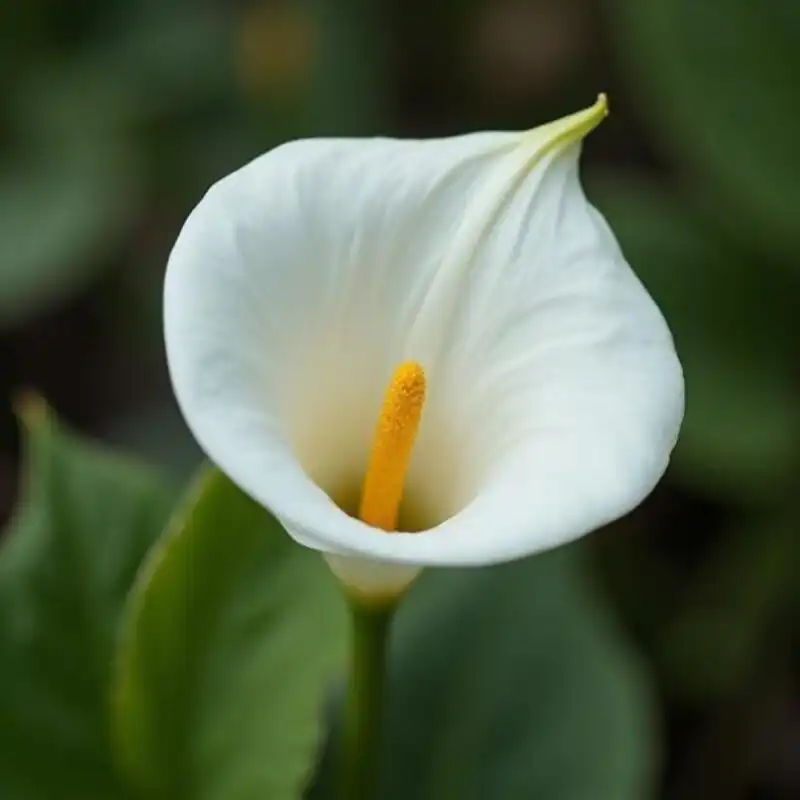
In the world of floral design, we choose flowers for their “language.” The Easter Lily is often called the “white-robed apostle of hope.” In Christian tradition, these lilies are said to have sprouted in the Garden of Gethsemane, where drops of sweat fell from Jesus during his final hours.
But even if you aren’t looking at it through a religious lens, the lily is a masterclass in symbolism:
- Purity: That crisp, untainted white is the gold standard for “new beginnings.”
- Rebirth: The way a lily grows from a humble, dormant bulb into a towering stalk of flowers is the perfect metaphor for the Earth waking up after winter.
- The Trumpet Shape: It looks like it’s heralding something important—which, for Easter, it usually is!
A Bit of Insider History
Interestingly, the Easter Lily isn’t actually native to the US or even the Mediterranean. It’s originally from the Ryukyu Islands of Japan. It only became the “Official Flower of Easter” in the States after World War I, when a soldier named Louis Houghton brought a suitcase full of bulbs to the Oregon coast. The climate there was so perfect that it became the “Lily Capital of the World.”
At Online Flower Company, we still treat these with a bit of reverence. When you order from an online flower shop, you’re participating in a tradition that’s barely a century old in its current form, yet feels ancient.
Beyond the Lily: The Modern Easter Palette
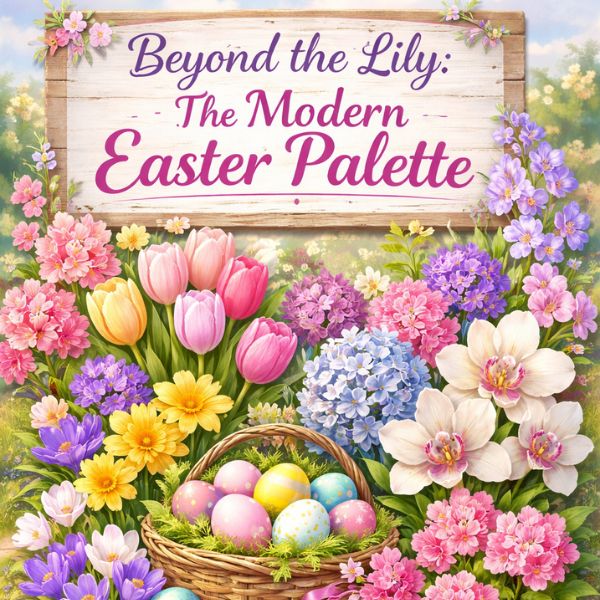
While the lily is the official representative, 2026 has brought some refreshing changes to how we decorate. In my experience at our florist, people are moving away from the “lily-only” rule and embracing a fuller, more diverse spring garden look.
1. Tulips: The “Forgiveness” Flower
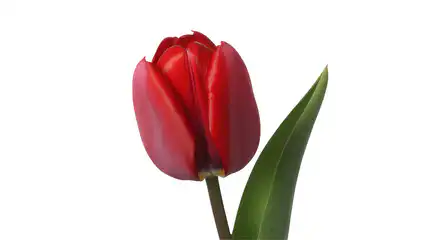
If the lily is the formal host of the party, tulips are the guests who bring the fun. White tulips, in particular, are becoming a huge Easter staple because they symbolize forgiveness. In our florist’s opinion, a bundle of white and pale pink tulips feels a bit more “editorial” and modern than a traditional potted plant.
2. Daffodils (Narcissus): The Sunbeams
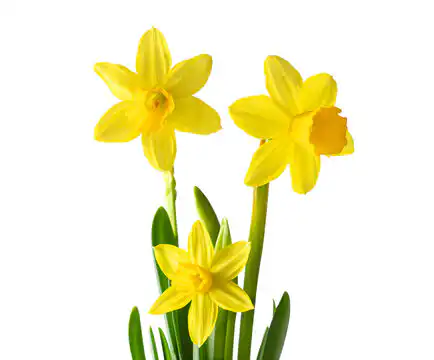
You can’t have Easter without that “pop” of yellow. Daffodils represent rebirth and unrequited love (in the best way possible). They are often the first sign that the ground has finally thawed. Pro tip: If you’re putting them in a vase with other flowers, be careful! Daffodils secret a sap that can actually wilt other blooms. At OFC Flower, we usually recommend “seasoning” them in their own water for 24 hours before mixing them into a larger arrangement.
3. Hyacinths: The Scent of Spring
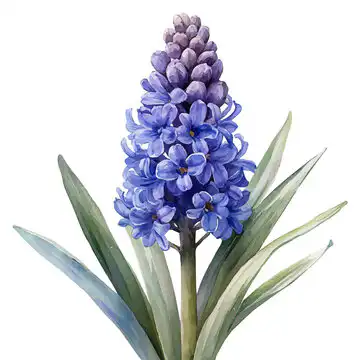
If you want your house to smell like a literal garden, hyacinths are your best friend. They come in stunning purples and blues (rare colors in the natural flower world) and symbolize sincerity.
Scenario-Based Guidance: What Should You Send?
Choosing the right flower depends on who you’re buying for. As a florist specialist, I usually break it down into these common situations:
Situation A: The Traditional Family Brunch
If you’re heading to your grandmother’s house or hosting the big family meal, stick with the Classic Potted Easter Lily.
- Why: It’s a focal point. It’s tall, it’s fragrant, and it respects the tradition of the day.
- Dan’s Tip: Look for a plant with plenty of “tight” buds. You want one or two open flowers to look pretty now, but the closed buds ensure the gift lasts for the next two weeks.
Situation B: The “I Can’t Be There” Gift
Sending flowers through an online flower store is the best way to say “I’m thinking of you” when you’re miles away. For this, I recommend a Mixed Spring Bouquet from a trusted source like Online Flower Company.
- Why: A mix of tulips, ranunculus, and iris survives shipping much better than a delicate lily plant. It also feels more like a “gift” and less like a “decoration.”
Situation C: The Modern Minimalist Home
If your style is more “Sleek Apartment” than “Country Garden,” go for a Monochromatic White Arrangement.
- Why: Use white hydrangeas, white tulips, and maybe a single stem of a Calla lily. It’s sophisticated, fits the Easter theme of purity, but doesn’t feel like your “typical” holiday basket.
Dan’s Insider Notes: How to Keep Them Alive
There is nothing sadder than a wilted Easter Lily by Monday morning. Here is how we keep them looking “florist-fresh” at our shop:
| Flower Type | Light Needs | Watering Secret |
| Easter Lily | Bright, indirect light. | Keep soil moist, but never “soggy.” |
| Tulips | Cool spots (they hate heat). | They “drink” a lot—check the water daily! |
| Daffodils | Any bright spot. | Keep them away from ripening fruit (the gas kills them). |
| Hyacinths | Moderate light. | Very little water needed if they are still in the bulb. |
The “Golden Rule” for Lilies: As soon as the flower opens, reach in and snip off the yellow anthers (the pollen-covered bits in the middle).
- It prevents staining on the white petals.
- It prevents staining on your rug (that stuff is like permanent ink!).
- It actually makes the flower last longer because the plant thinks it hasn’t been “pollinated” yet.
Warning: Lilies are highly toxic to cats. If you have a feline friend, please stick to roses or orchids!
Conclusion:
At the end of the day, the “Official Flower of Easter” is whichever one brings that sense of renewal into your home. While the white lily holds the title, the beauty of being a florist in 2026 is that we have access to incredible blooms from all over the world.
Whether you’re looking for the deep history of the lily or the cheerful “hello” of a daffodil, the goal is the same: to celebrate the fact that winter is over and the world is blooming again.
If you’re feeling overwhelmed by the choices, don’t worry. That’s what we’re here for. Whether you visit a local shop or browse an online flower shop like ours, just look for what speaks to you. Flowers are the one language that everyone understands without saying a word.

Valentine’s Day Roses Collection – Luxury Bouquets by Online Flower Company
May – a month which welcomes an abundance of flowers, but there is one stem whose return truly sets hearts aflutter. From late April the peony, cel…

Seasonal favourite: Peonies
Whether it’s the hue of a precious gem or a stem that reminds them of a special time or place – our florists take inspiration from a plethora of su…

How to dress a festive table
For those of you hosting this Christmas, read on; it’s time to polish up the cutlery, bring out the china plates, and brush up on our top tips on…