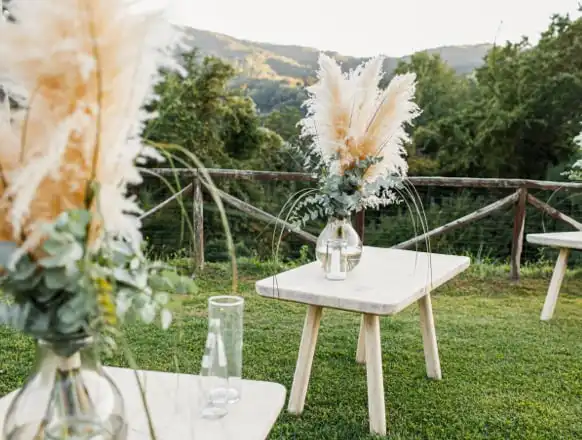
The Ultimate Guide to Wedding Flowers: Bouquets, Decorations & Everything You Need to Know (2026)
Jump to the content
Your wedding flowers are one of the first things people notice — and one of the last things they forget. The cascading bridal bouquet in every photo, the centrepieces guests admire over dinner, the buttonhole on your partner’s lapel. Flowers don’t just decorate a wedding; they set the entire mood.
But choosing wedding flowers can feel overwhelming. Where do you even start? Which blooms are actually in season? How much should you budget? And what works for your style?
This guide covers everything — from choosing your bridal bouquet and picking the right flowers for your venue to budgeting sensibly and knowing what to ask your florist. Whether you’re planning a grand country estate wedding or a relaxed garden ceremony, you’ll find practical ideas here that actually work.
How to Choose Wedding Flowers — The Basics
Before you fall in love with a specific flower, it helps to think about the bigger picture first.
Start With Your Wedding Style
Your flowers should feel like a natural extension of your wedding's overall look and feel. A wildflower meadow bouquet would look out of place in a sleek modern venue, just as a structured architectural arrangement might feel stiff at a rustic barn wedding.
- Classic & traditional? Think roses, lilies, and greenery with clean, elegant lines.
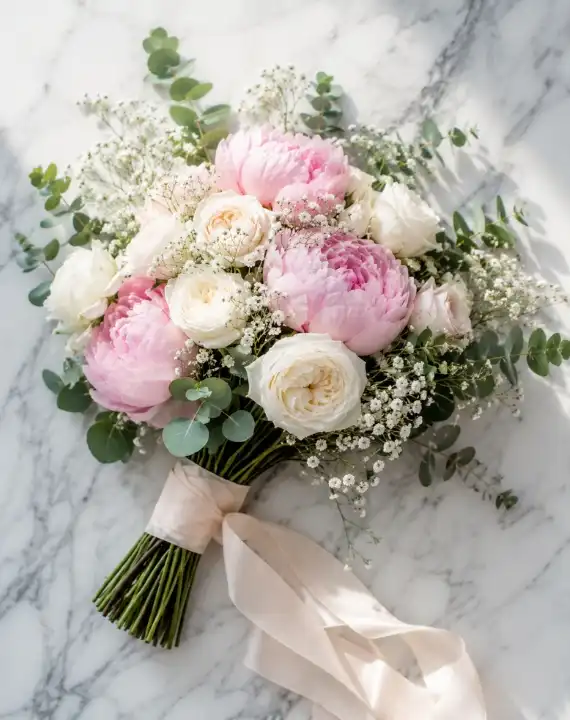
- Romantic & soft? Peonies, sweet peas, and ranunculus in blush and ivory tones are stunning.
- Wildflower & boho? Dahlias, cosmos, dried grasses, and meadow flowers create that effortlessly natural feel.
- Modern & minimal? Sculptural stems, single-variety bouquets, and lots of negative space.
- Luxe & dramatic? Orchids, calla lilies, and deep jewel tones like burgundy or midnight blue.
Think About Your Colour Palette First
Your colour palette is the backbone of every floral decision you'll make. Get this right and the rest becomes much easier.
A good approach is to choose two or three main colours and one or two accent tones. For example:
Your flowers don't need to match your bridesmaid dresses exactly — but they should complement each other beautifully.
Consider the Season
This is one of the most practical (and budget-friendly) decisions you can make. Choosing flowers that are naturally in season means better availability, fresher blooms, and lower costs. We'll go into much more detail on this in Part 4, but as a quick guide:
Spring
tulips, peonies, sweet peas, hyacinths, lilac
Summer
roses, lavender, sunflowers, dahlias, sweet peas
Autumn
dahlias, chrysanthemums, berries, dried grasses
Winter
amaryllis, hellebores, evergreen foliage, dried botanicals
The Bridal Bouquet — Your Most Important Floral Decision
If there’s one floral choice that deserves the most thought, it’s your bridal bouquet. It’s in every photo, it’s what you’ll hold during your vows, and it sets the tone for everything else florally.
Bouquet Styles to Consider
Popular Flowers for Bridal Bouquets
Here are some of the most-loved wedding flowers for bouquets and what makes them special:
Wedding Flower Colours — How to Choose What Works
Colour is where many couples feel most uncertain. The good news is that there are no strict rules — just a few guiding principles.
Classic Whites & Creams
White and ivory wedding flowers remain the most popular choice. They're timeless, elegant, and work with literally every venue and dress style. White doesn't mean boring — the variety of textures and forms within white flowers (lacy cow parsley, full peonies, sculptural calla lilies) creates incredible depth and interest.
Blue and white wedding flowers are a particularly fresh, elegant combination — think hydrangeas, delphiniums, and white roses. It works beautifully for summer weddings.
Bold & Romantic Colour Choices
Red wedding bouquets
make a confident, romantic statement — classic and passionate. Deep red roses paired with dark foliage is genuinely stunning.
Blue flower wedding bouquets
have grown hugely in popularity. Delphiniums, hydrangeas, and cornflowers bring that something-blue tradition to your florals beautifully. Pair with white or silver-grey for a crisp, elegant look.
Black and white wedding flowers —
monochrome florals for a striking, editorial look. Think deep black dahlias (actually very dark burgundy/purple) with ivory and white, or bold graphic calla lilies.
Colourful wedding bouquets —
vibrant, joyful, and full of life. If you want your flowers to make a real statement, don't hold back. Mix warm tones (orange, yellow, coral) or cool brights (fuchsia, purple, blue) for something genuinely memorable.
Photograph your florist's work in various lighting conditions — venue lighting can dramatically alter how colours appear. What looks like a soft blush in daylight can appear orange under warm candlelight. Your florist will be able to advise on this.
Seasonal Wedding Flowers — The Practical Guide
Choosing flowers that are naturally in season is the single most effective way to keep costs down while ensuring the freshest, most beautiful blooms. Here’s what’s available and at its best throughout the year:
Spring Wedding Flowers (March–May)
Spring is a florist's dream — the sheer variety of blooms available is extraordinary.
Summer Wedding Flowers (June–August)
Peak wedding season — and thankfully, also peak growing season. The widest variety and generally the best prices for many popular varieties.
Summer flower bridal bouquets tend to be the most varied and beautiful — and if you can get dahlias into your design, they're utterly magnificent.
Autumn Wedding Flowers (September–November)
Autumn weddings have exploded in popularity in the UK — and the flowers are genuinely extraordinary.
Autumn wedding bouquets have become one of the most-searched styles in the UK, and it's easy to see why — the colour palette is unlike anything other seasons can offer.
Winter Wedding Flowers (December–February)
Winter florals have their own distinct magic — dramatic, moody, and deeply beautiful.
Winter wedding flowers that travel and last well are especially important — your florist should advise on this.
Wedding Flower Decorations — Tables, Reception & Venue
Your bridal bouquet is the star, but the supporting cast matters enormously. Here’s how to think about decorating your venue with flowers.
Table Centrepieces
Table centrepieces are where a lot of the wedding flower budget goes — and where you can have real creative fun.
Classic tall centrepieces:
Dramatic, eye-catching, and wonderful for large venues. A tall vase with roses, hydrangeas, or tropical foliage makes an immediate impact.
Low, lush centrepieces:
More relaxed and conversational-friendly (guests can see each other!). Clusters of garden flowers, pillar candles, and foliage spread across the table have a beautifully abundant look.
Bud vase clusters:
Individual small vases grouped together — wonderfully flexible and budget-friendly. Great for relaxed and bohemian weddings.
Wedding table flower ideas:
Mix textures — don't just stick to one or two flower varieties. Foliage, berries, seed pods, and dried elements add the kind of depth that makes arrangements feel truly special rather than like a supermarket display.
Thinking about cheap table centrepieces for weddings? Greenery-heavy arrangements, seasonal blooms, and DIY elements (see below) can dramatically reduce costs without compromising on look.
Ceremony Flowers
- Aisle arrangements — posies tied to chairs or pew ends create a beautiful aisle experience
- Arch or backdrop — a floral arch at the ceremony spot is enormously impactful and incredibly photogenic
- Entrance arrangements — flanking the entrance to your ceremony or reception with large arrangements makes an immediate statement
Reception & Other Floral Details
- Cake flowers — fresh flowers on a wedding cake are among the most beautiful (and cost-effective) ways to decorate
- Buttonholes and corsages — usually a small matching posy or single bloom for the wedding party
- Garlands and hanging installations — increasingly popular for outdoor wedding decorations
DIY Wedding Flower Decorations
DIY decor for weddings is absolutely achievable if you have time and willing helpers. The key rules:
- Keep varieties simple — one or two types, not ten
- Choose flowers that are resilient and last well out of water (roses, carnations, chrysanthemums are good choices)
- Do your floral prep the evening before the wedding — not the morning of
- Use flower food in all arrangements
Consider pre-made elements like dried flower wreaths or ribbon-tied posies that require minimal skill
Wedding Flower Costs — What to Realistically Budget
Let’s be honest: wedding flowers can be expensive. But they don’t have to be budget-breaking if you plan well.
Average Wedding Flower Costs in the UK (2026)
Here's a realistic picture of what to expect:
| Item | Budget Range |
|---|---|
| Bridal bouquet | £80 – £300+ |
| Bridesmaid posies (per person) | £30 – £80 |
| Buttonholes (per person) | £8 – £25 |
| Table centrepiece (per table) | £40 – £200+ |
| Ceremony arch/backdrop | £300 – £1,500+ |
| Full wedding floral package | £1,500 – £5,000+ |
How much do wedding flowers cost overall? The average UK couple spends between £1,200 and £2,500 on flowers, with many spending significantly more for full venue dressing. As a rough guide, flowers typically represent around 8–12% of the total wedding budget.
The average cost of a bridal bouquet in the UK currently sits between £120–£200 for a well-made, florist-created bouquet using quality seasonal flowers.
Smart Ways to Reduce Wedding Flower Costs
-
Choose seasonal flowers.
This cannot be overstated. Peonies in November cost far more than peonies in May. Work with the season.
-
Lean on foliage and greenery.
A green bridal bouquet — heavy on eucalyptus, ruscus, and ferns with just a few blooms — is incredibly beautiful and much more affordable.
-
Consider affordable bouquets from online flower companies for certain elements.
Not everything needs to come from a traditional florist. Simple centrepiece elements, aisle flowers, and even bridesmaid posies can often be sourced more affordably online with a little preparation.
-
Focus the budget on impact.
Put money into the things people will notice and photograph: the bridal bouquet, the ceremony backdrop, and the top table arrangement. Background flowers can be simpler.
-
Repurpose ceremony flowers at the reception.
A clever florist will arrange flowers so that ceremony pieces can be moved and reused at the reception.
Low cost and cheap wedding flowers don't have to look it. Carnations, chrysanthemums, alstroemeria, and seasonal wildflowers are all genuinely beautiful and wonderfully affordable.
Finding a Wedding Florist
Choosing the right florist is arguably as important as choosing the flowers themselves. A great florist doesn’t just execute your vision — they shape it, improve it, and save you from costly mistakes.
What to Look For in a Wedding Florist
- A portfolio that resonates with your style. Don't just go by reputation — make sure their aesthetic matches what you're imagining.
- Wedding experience specifically. General florists and specialist wedding florists are quite different. Ask how many weddings they do per year.
- Clear communication. A good florist listens more than they talk in an initial consultation.
- Transparent pricing. Get a detailed written quote that itemises everything.
- Availability on your date. Many sought-after wedding florists book 12–18 months in advance.
Questions to Ask Your Wedding Florist
- Have you worked at my venue before?
- What flowers will naturally be available in my season?
- Can we swap flowers if something isn't available?
- What does your delivery and set-up service include?
- Do you do a trial run of the bouquet?
Fresh wedding flowers delivered by a reliable supplier ensure the best possible quality on your day. Always discuss delivery timing with your florist — flowers should ideally be delivered the morning of the wedding or conditioned the day before.
How to Preserve Your Wedding Bouquet
Your bouquet deserves a life beyond the wedding day. Here are the best ways to preserve it as a keepsake:
Air Drying
The simplest method. Hang your bouquet upside down in a warm, dry, dark space for 2–4 weeks. Some flowers (roses, lavender, statice) dry beautifully; others don't. Colours will deepen and mute — beautiful in their own way.
Pressing
Individual flowers can be pressed between books or in a flower press. Perfect for creating framed art or greeting cards as keepsakes.
Professional Preservation Services
Professional preservers use freeze-drying or resin techniques to maintain the shape, colour, and detail of your flowers with remarkable accuracy. This is the premium option — and genuinely stunning results are possible.
Silica Gel Drying
Faster than air drying and better at retaining colour and shape. Bury flowers in silica gel crystals (available from craft shops) for 1–2 weeks. Results can be excellent.
A Quick-Reference Wedding Flower Checklist
Use this to keep your planning on track:
A Quick-Reference Wedding Flower Checklist
Wedding flowers are deeply personal. They’re not just decoration — they’re part of the story of your day. The most important thing isn’t following trends or matching Pinterest boards exactly; it’s choosing blooms that feel genuinely you and working with people who understand that vision.
If you’re in the early stages of planning, start by gathering images that catch your eye — not necessarily of flowers specifically, but of the overall mood and feeling you want. Your florist will translate that beautifully into something real.
And if you’d like fresh, beautiful flowers delivered across the UK for any part of your wedding planning — from bridal shower blooms to inspiration for your florist consultation — we’d love to help. Browse our full collection at Online Flower Company.
Wedding Flowers and Bouquets Collection
Ready to Plan Your Perfect Floral Styling?
Whether you are looking for timeless bridal bouquets or breathtaking venue arrangements, explore our curated collections to find the perfect blooms for your special day.
Explore Wedding FlowersFrequently Asked Questions
We safe-deliver your wedding flowers directly to your venue or home using our premium, temperature-controlled delivery service to ensure everything stays fresh and perfect for your big day.
Absolutely! You can choose your main theme colours and accent tones. Our specialist florists will perfectly match or complement your bridesmaids' dresses and overall venue styling.
We highly recommend securing your date at least 3 to 6 months in advance, especially for peak wedding seasons, so we can guarantee the sourcing of your specific seasonal blooms.
If a specific bloom is unavailable due to seasonal shifts, our expert designers will substitute it with a premium flower of equal or greater value that matches the exact texture, style, and color of your original choice.

Mohammad Qahef
Tags
What do you think?
Related Articles
What is the best flower delivery company in the UK?
Flowers can make any occasion memorable. They show care, love, or sympathy without words. Finding the best flower delivery company in the UK is not
Rainbow Tulip Bouquet – A Vibrant Gift for Every Special Occasion (Next Day UK Delivery Available)
Looking for the perfect way to brighten someone’s day? Our Rainbow Tulip Bouquet is a stunning and joyful arrangement that makes an unforgettable gift for
Purple and White Flower Bouquet – A Timeless Gift for Every Occasion Next-Day UK Delivery
Looking for a meaningful gift that speaks volumes without saying a word? Our Purple and White Flower Bouquet is a stunning arrangement that combines elegance,